Explainer: What if BVAS fails in 2027 election?
Nigeria’s INEC Outlines Tech Protocols for 2027 Elections
By Omeiza Ajayi, Abuja
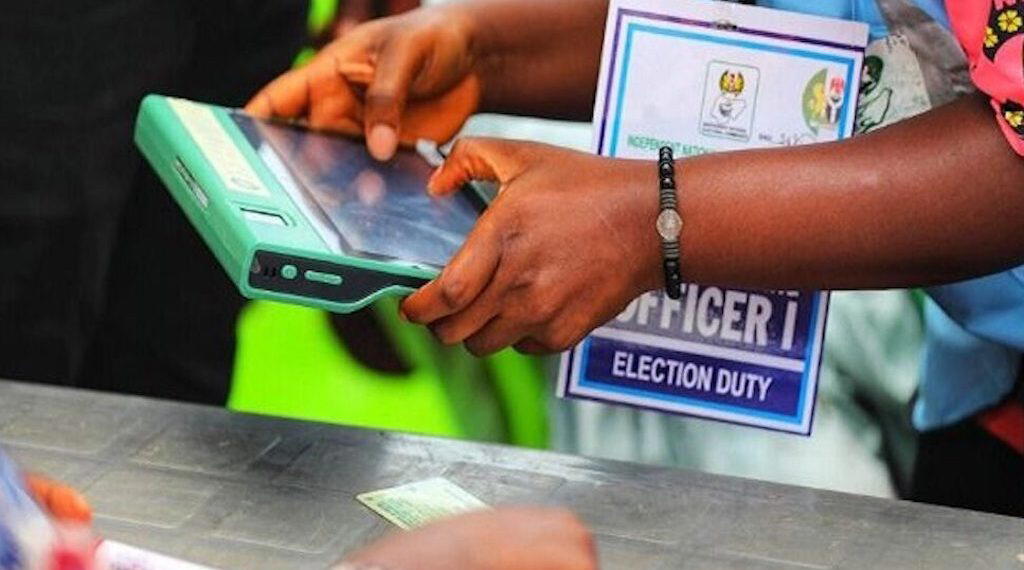
As Nigeria gears up for the 2027 general elections, the Independent National Electoral Commission (INEC), led by Professor Joash Amupitan, is addressing public concerns regarding the reliability of election technology. In preparation, the commission has released detailed operational guidelines and legal frameworks aimed at managing technical issues, particularly those related to the Bimodal Voter Accreditation System (BVAS) and the INEC Result Viewing Portal (IReV).



The new protocols are a response to experiences from previous elections and are designed to enhance public confidence in the electoral process.
Key Measures Implemented by INEC
-
Local Glitches Won’t Halt Overall Results
Under the new guidelines, the failure of BVAS in certain polling units will not impede voting, collation, or announcement of results in unaffected areas. -
Impact Assessment
Collation will proceed unless the votes from malfunctioning units are significant enough to affect the overall outcome. -
24-Hour Reschedule Provision
If a BVAS unit cannot be repaired or replaced on election day, voting in that specific location will be postponed to the following day, in line with the Electoral Act. -
Hardware and Power Upgrades
INEC has acquired 57,000 additional BVAS devices and is replacing unit batteries to mitigate hardware and power issues. -
Field Support Teams (RATECH)
Specialized technical teams will be deployed at Registration Areas for immediate intervention in case of technical failures. -
Risk Mitigation Strategy
Efforts to preempt technical issues include addressing battery life and transmission challenges before election day. -
New BVAS Units
The additional devices will serve as backups across polling zones to ensure operational readiness. -
Battery Replacement
Recognizing power loss as a significant issue in previous elections, INEC is upgrading the BVAS units’ built-in batteries for sustained performance during polling hours. -
IReV Platform Optimizations
Software improvements on the IReV portal are underway to facilitate the seamless uploading and transmission of polling results. -
On-Ground Troubleshooting with RATECH
In the event of a BVAS failure, polling staff are instructed to avoid immediately cancelling voting. Instead, the RATECH teams will assess and address the situation on-site.
Operational Scenarios
INEC has outlined several scenarios that may arise during the elections regarding technical failures:
-
Scenario A: In the event of a localized technical issue, elections in unaffected units will proceed without delay.
-
Scenario B: If a BVAS device cannot be repaired on polling day, voting in that unit will be suspended and rescheduled.
-
Scenario C: During result collation, officials will evaluate whether uncollected votes can change the outcome. If not, the tally will proceed; if they can, supplementary voting will occur.
The commission’s comprehensive approach emphasizes risk management and contingency planning, assuring that localized technical failures will not disrupt the broader democratic process.
Conclusion
INEC’s preparations for the 2027 elections stress the importance of resilient election technology and robust contingency measures to maintain public confidence. With an emphasis on efficient management of potential technical issues, INEC seeks to ensure a smooth electoral process that upholds the integrity of Nigeria’s democracy.
Note: RATECH, which stands for Registration Area Technical Support, comprises ICT personnel and trained staff who will provide immediate response and troubleshooting at the ward level during the elections.