I pity Tinubu but more concerned for Nigeria — OLAWEPO-Hashim
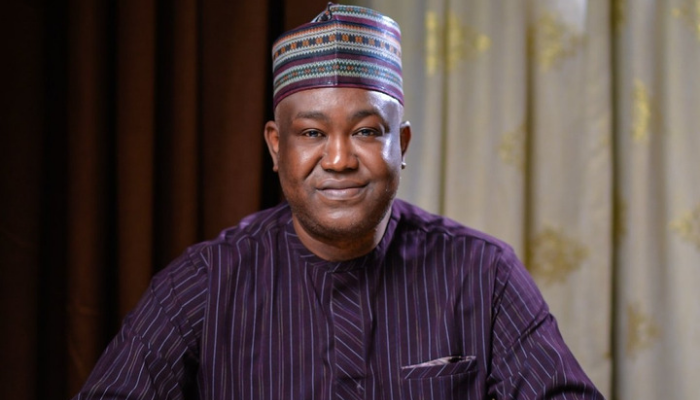
Accord Party Candidates Calls for Adherence to Democratic Standards Ahead of 2027 Elections
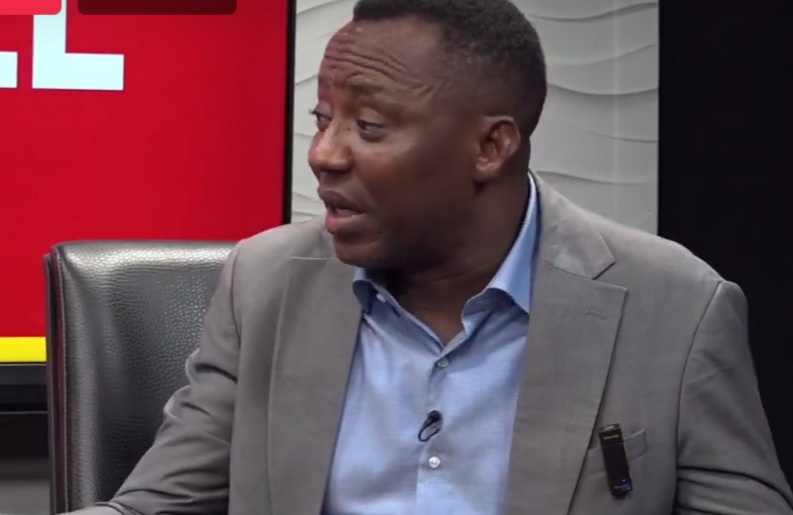
Dr. Gbenga Olawepo-Hashim, the presidential candidate for the Accord Party, has raised significant concerns following remarks made by President Bola Tinubu during a recent meeting with Catholic Bishops at the State House in Abuja.
Olawepo-Hashim, also a co-chairman of the Movement for Democratic Renewal, expressed sadness over the president’s comments, stating they were inconsistent with his previous interactions with Tinubu between 2018 and 2021. He emphasized that after listening to the president’s statements multiple times, he found them troubling.

“That was not the Bola Tinubu I knew during those years,” Olawepo-Hashim said. “I am not qualified to make medical assessments, yet the president’s communication suggests he may need genuine support.”
He clarified that his concerns stem from a humanitarian perspective rather than political motives. “Unlike many Nigerians who express anger, I feel pity for President Tinubu. My primary concern is that those surrounding him seem more focused on political ambitions than on his well-being.”
Olawepo-Hashim cautioned that any challenges faced by the president should not be viewed as justification for undermining Nigeria’s democracy and stability. He recalled the significant democratic milestone achieved in 2015 when then-President Goodluck Jonathan accepted defeat and facilitated a peaceful transfer of power.
“That election marked a pivotal moment for Nigeria’s democratic reputation,” he noted, adding that the stakeholders of that election included the party that produced President Tinubu. “We must not allow history to regress.”
He emphasized the necessity for the 2027 general election to meet, or even exceed, the credibility established in 2015. “Any election that does not uphold these standards will be unacceptable to the Nigerian people and to our international partners,” he declared.
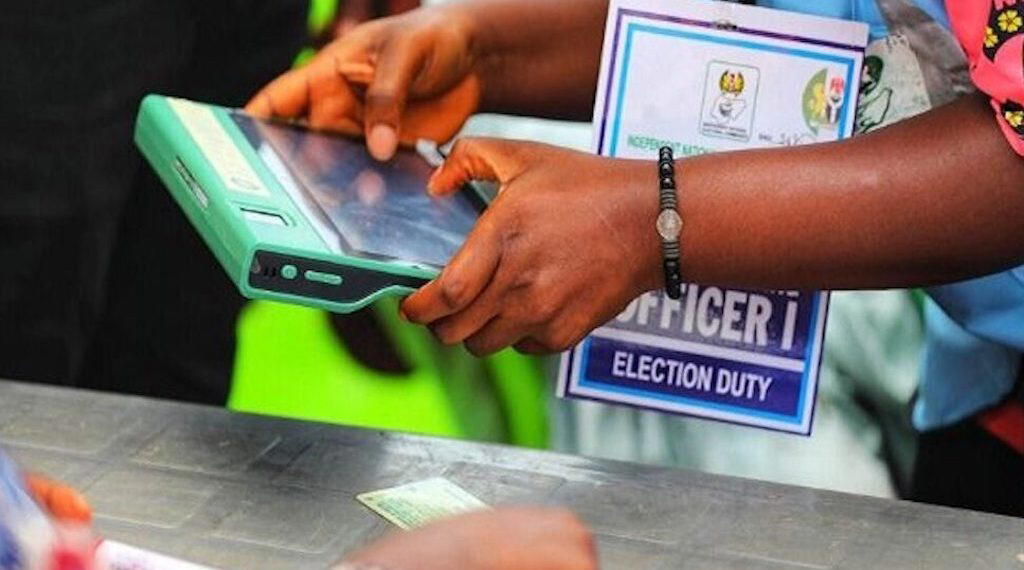
Olawepo-Hashim urged the Independent National Electoral Commission (INEC), security authorities, and all democratic institutions to carry out their responsibilities with neutrality and professionalism.
“The credibility of the 2027 election will shape the future of our democracy. Nigeria requires free and fair elections, not mere installations. Our institutions must prioritize the Constitution above individual or party interests,” he asserted.
He concluded by stating that Nigeria’s democracy is more significant than any government or political framework. “This is a crucial moment. We are accountable to future generations for a robust democracy. Nigeria must progress, not regress.”