NDC dismisses allegations of hoarding ₦6bn campaign funds
NDC Denies Withholding Funds for Presidential Campaign
By Henry Umoru
ABUJA – The national leadership of the Nigeria Democratic Congress (NDC) has rejected claims that it is withholding over ₦6 billion intended for its presidential campaign, labeling the allegations as false and misleading.

In response to criticisms from some members of the NDC National Campaign Council (NCC), the party emphasized that the accusations stem from a fundamental misunderstanding of political campaign financing and party administration.
Critics within the NCC had alleged that the party’s leadership failed to allocate sufficient funds for critical campaign activities, including grassroots mobilization, billboard advertisements, and poster printing. They claimed that more than ₦6 billion raised from the sale of nomination forms and contributions had been retained in a fixed deposit account while the council faced challenges in financing essential operations.
Concerns were also raised about the funding, which sources indicated was largely derived from the South-East region following the influx of candidates who joined the NDC with the party’s presidential candidate, Peter Obi. Critics fear that a lack of adequate funding could negatively impact Obi’s chances in the upcoming elections.
Osa Director, the party’s National Publicity Secretary, dismissed these allegations in an interview. He asserted that such claims are being fueled by individuals seeking to sow discord within the party and create rifts between the presidential candidate and party leadership.
“These rumors are the work of mischief-makers aiming to create problems where none exist,” Director stated. He urged those making the allegations to familiarize themselves with party operations and the Electoral Act concerning campaign financing.
Despite the party’s public denial, a senior NDC source, who spoke on the condition of anonymity, confirmed that the campaign council has not received significant funding from the national leadership, even after generating substantial revenue from the sale of nomination forms. This source expressed concern that the insufficient funds might hinder campaign publicity and grassroots outreach efforts.
At the party’s third National Executive Committee (NEC) meeting, managers reported generating approximately ₦8 billion but spending around ₦2 billion, with ₦6 billion remaining in a fixed deposit. The funds were reportedly collected from nomination form sales and development levies.
The source explained that many candidates failed to pay for their nomination forms and that the party has been assisting regional offices in need of financial support. They indicated that a proposed National Campaign Fund would allocate ₦1 billion each to the South-South and South-East regions, with an additional ₦3 billion controlled by the Campaign Council.
While the source confirmed that Obi was requested to contribute ₦5 billion towards the fund but only provided ₦220 million, the representative insisted that the party is not retaining any funds specifically meant for the campaign.
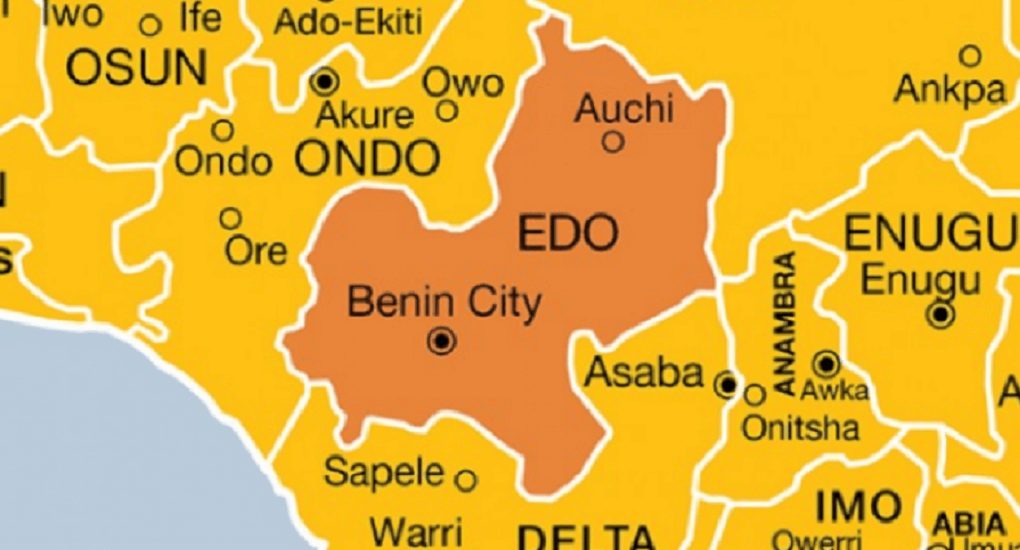
“The money saved is intended to run the party, not finance individual demands for development funds,” the source stated. They also emphasized that upcoming events in Edo State would rely on local funding.
Efforts to reach Dr. Constance Ikokwu, spokesperson for the National Campaign Council, for comment were unsuccessful.
The NDC, during its October 24 NEC meeting, reported total revenues of ₦8,529,632,438.77 raised since its inception seven months ago. The party attributed these funds to the sale of nomination forms, contributions, and membership dues.
National Treasurer Dr. Peter Onigah added that approximately ₦2.4 billion had been spent on party-related activities, including primaries and publicity, highlighting the importance of financial discipline in managing the party’s resources.
As the NDC prepares for the electoral season, Onigah called for financial support from party members, noting the challenges of building organization and structure as a new political entity.
“As a new party, we still need to develop our systems and require contributions from all members to succeed,” he said.