Political Violence: Dying for nothing as a Nigerian politician?
By Jide Ajani
Nigeria has a long history of political violence, marked by assassinations and attacks on political figures, yet the nation has repeatedly failed to honor the memory of its victims. This cycle of outrage followed by amnesia raises questions about the significance of sacrifice for political causes in a country where the names of martyrs often fade into obscurity.
The recent alleged assassination attempt on former Deputy Senate President Ovie Omo-Agege in the Uduere community of Ughelli North Local Government Area of Delta State highlights this troubling reality. Reports indicate that four individuals were killed and more than a dozen injured during the incident, which underscores the danger faced by those involved in political activities. Omo-Agege himself lamented the current state of politics in Nigeria, a situation he denounced using the phrase “fight and die,” though he later clarified that his intent was to stress the need for credible elections.



The history of political violence in Nigeria stretches back to its early days of independence. The January 15, 1966 coup marked a turning point, resulting in the deaths of significant political figures, including Prime Minister Sir Abubakar Tafawa Balewa and Northern Premier Sir Ahmadu Bello. These events underscored a dangerous precedent: political disagreements could escalate into violence.
The military regime that followed saw further political murders, such as the assassination of General Murtala Mohammed in 1976 and the killing of political opponents like Chief Alfred Rewane and Kudirat Abiola during General Sani Abacha’s rule in the 1990s. Despite investigations and public outcry, many of these cases remain unresolved, adding to a grim catalog of political assassinations.
The return to civilian rule in 1999 did not usher in an era of safety for politicians. High-profile killings continued, including the murders of Osun State legislator Odunayo Olagbaju and Attorney-General Chief Bola Ige, both of which sent shockwaves through the nation but ultimately faded from public discourse.
As the pattern of violence persisted into the Fourth Republic, the national habit of forgetting became evident. Significant incidents often fade from collective memory soon after they occur, with little consequence for the perpetrators. The lack of accountability contributes to a culture where political violence can thrive without fear of reprisal.
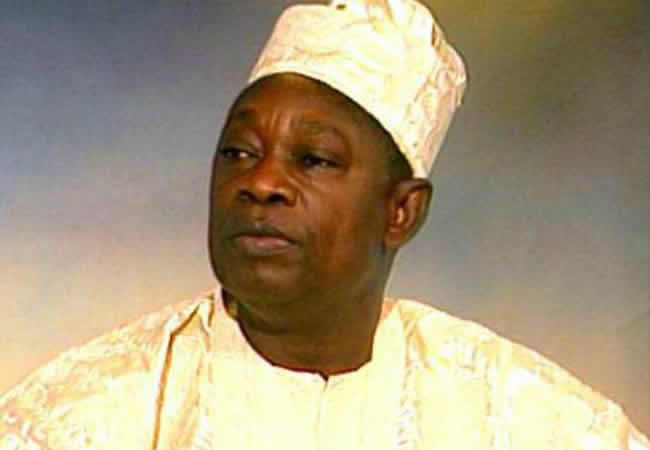
Nigeria’s troubled relationship with remembrance extends to its most notable figures, such as Chief Moshood Kashimawo Olawale Abiola, who died in custody while fighting for the validity of his annulled presidential election. Despite the recognition of June 12 as Democracy Day, the complexities of Abiola’s legacy are often co-opted by political interests, highlighting a failure to honor the depth of his struggle.
While many countries grapple with unresolved political assassinations, they often continue to engage in discussions and investigations that keep the memories of their fallen leaders alive. In contrast, Nigeria tends to convert tragedy into folklore, which is then neglected. This dynamic raises profound concerns about governance and the commitment to honoring those who have sacrificed their lives for political ideals.
Ultimately, the question arises: Is it worth sacrificing one’s life for politics in Nigeria? While there is merit in standing up for one’s beliefs, it is imperative for the nation to honor and investigate the deaths of its political martyrs. Remembering and learning from the past are essential to preventing future violence and nurturing a political culture that values conviction and service.
A society that fails to recognize and preserve the legacies of its fallen leaders risks diminishing the significance of public service and may discourage future generations from engaging in the political arena. To ensure that the sacrifices made by these individuals hold weight, Nigeria must commit to remembrance, accountability, and the establishment of the truth surrounding their untimely deaths. Failure to do so means they may have died for nothing.


