Strengthen governance or face regulatory action, CBN warns banks’ directors

CBN Governor Urges Strengthened Corporate Governance Among Bank Leaders
By Babajide Komolafe
LAGOS—Central Bank of Nigeria (CBN) Governor Olayemi Cardoso issued a strong warning to bank directors and financial industry leaders regarding the necessity for robust corporate governance during a keynote address at the Chartered Institute of Directors (CIoD) induction ceremony on Wednesday.
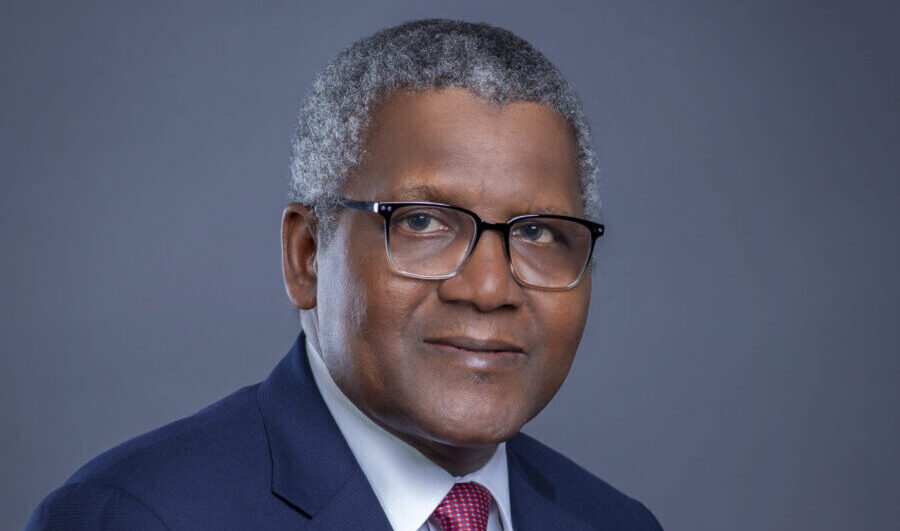


Cardoso, represented by Dr. Olubukola Akinwunmi, the CBN’s Director of Banking Supervision, emphasized that strong governance is crucial for maintaining trust and stability within the financial system. He noted that the success of a recent bank recapitalization effort relies heavily on the leadership and oversight provided by directors.
“Nigeria’s financial sector has just completed a historic recapitalization exercise,” Cardoso stated. “This reform was not merely a regulatory requirement; it was a strategic imperative aimed at strengthening resilience, enhancing investor confidence, and positioning our institutions for sustainable economic growth.”
He cautioned that recapitalization alone is insufficient. “As we enter this new phase, the role of directors becomes even more critical. Stewardship must now focus sharply on consolidation, confidence, and stability,” he added.
Cardoso underscored the ramifications of inadequate governance, indicating that the CBN will not hesitate to take necessary action when governance fails. He cited past experiences where Nigeria’s banking system faced challenges due to governance issues, saying, “Where governance fails, the regulator must act to safeguard depositors and the economy.”
He highlighted recent CBN interventions, noting that in January 2024, the bank dissolved the boards and management of three banks due to serious lapses in governance and regulatory compliance. This action, he said, reflects the Bank’s zero-tolerance policy for infractions.
The governor also announced a new regulatory environment requiring heightened discipline among bank directors. “This era calls for directors who are active stewards—leaders who balance profitability with sustainability and compliance with innovation,” he remarked.
In discussing new policy measures, Cardoso mentioned the introduction of Risk-Based Capital Requirements as a transformative change in the financial system. “Capital adequacy is no longer solely about size; it is about risk alignment,” he explained.
He continued, “For directors, this mandates strategic oversight, where capital planning anticipates both current and emerging risks and strengthens frameworks for credit, market, and operational risk—while ensuring responsibility for compliance without reliance on regulatory leniency.”
Cardoso reaffirmed that the previous era of regulatory forbearance has ended, signaling a shift toward stricter adherence to capital adequacy standards. “Institutions must now align capital with their risk profile to ensure resilience,” he stated.
In closing, the governor reiterated that these reforms are not punitive but rather empowering, designed to provide directors with a framework for disciplined and confident stewardship.