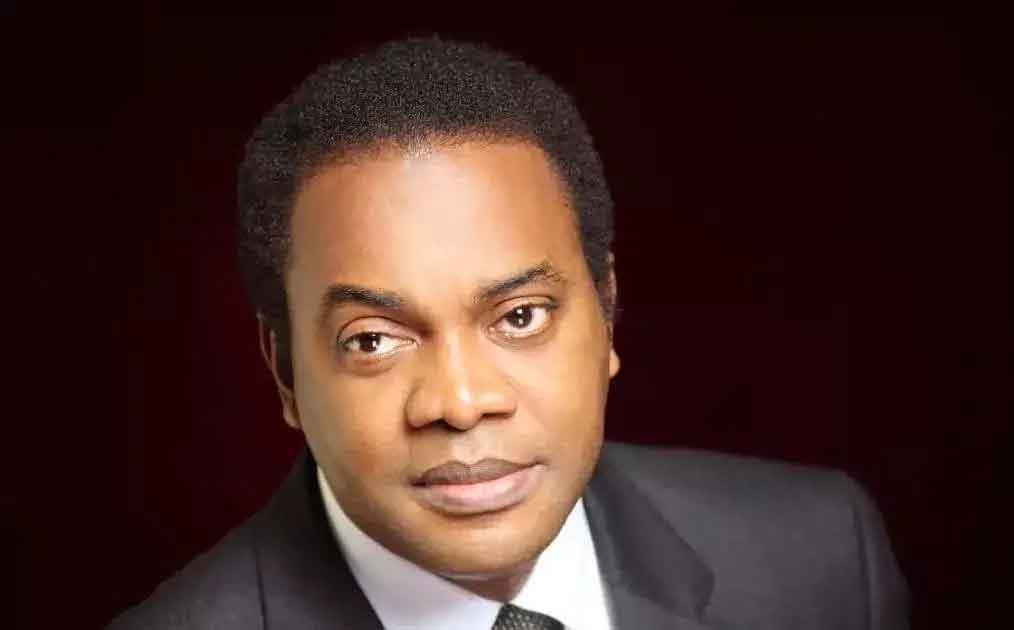
Why I backed Tinubu in 2023 but will challenge him in 2027 — Makinde

Oyo Governor Seyi Makinde Outlines Concerns Ahead of 2027 Presidential Bid
By Ayobami Okerinde
OYO STATE, Nigeria – Three years after endorsing President Bola Tinubu’s election in 2023, Oyo State Governor Seyi Makinde is setting the stage for his candidacy in the 2027 presidential election. As the flagbearer for the Allied Peoples Movement (APM), Makinde has expressed his decision to challenge Tinubu is based on significant concerns regarding the current administration.
In a newsletter released Thursday, Makinde stated that his presidential ambitions are not fueled by a personal rift with Tinubu or a desire for political power but rather by his deep concerns for Nigeria’s future.
“I supported President Tinubu in 2023 because I believed his experience and political relationships could help unite Nigerians,” Makinde said. He had hoped for a government that emphasized competence and addressed pressing economic issues.
Makinde outlined four primary reasons for his decision to run against Tinubu. The first concern is what he describes as “economic stability without economic development.” He acknowledged that some macroeconomic indicators have improved but emphasized that these gains have not translated into better living conditions for the average Nigerian. “Nigerians did not have to endure this level of hardship while waiting for development to begin,” he stated.
His second concern involves what he characterized as “governing by excuses.” He criticized the administration for focusing on inherited challenges rather than demonstrating tangible progress in resolving them. “Every government inherits problems, but it is elected to solve them,” he added.
Regarding national unity, Makinde noted that he expected Tinubu’s political experience to foster alliances that would bring capable Nigerians together. However, he expressed concern that the current political alliances primarily serve personal ambitions rather than the national interest, leading to a weakening of opposition parties, which are essential for a healthy democracy.
Makinde’s final concern revolves around “economic reforms without adequate protection for Nigerians.” While he supports reforms to the petrol subsidy and foreign exchange systems, he argued that the government failed to implement necessary measures to shield citizens from resulting hardships. “Millions of Nigerians who were already struggling faced further difficulties before sufficient support measures were put in place,” he stated.
Reflecting on how he would have approached these challenges differently, Makinde indicated that a more strategic transition period could have better prepared the country for the removal of the petrol subsidy. He criticized the decision to implement the policy without advance planning or collaboration with state governments.
“If I were in his position, I would have convened the National Economic Council to agree on a coordinated response with state governors,” Makinde said. He highlighted his administration’s proactive measures in Oyo State, which included consulting with organized labor and implementing support initiatives after the subsidy removal.
Makinde asserted that his approach focused on immediate relief while developing sustainable economic strategies, noting initiatives such as food relief for vulnerable households and subsidized transportation.
After declaring his presidential ambition on May 14, 2026, Makinde expressed urgency in seeking leadership, citing the need to address the economic difficulties faced by Nigerian households and businesses and to create opportunities for young Nigerians.
As he continues his campaign, Makinde encourages citizens to evaluate his record in Oyo State and the proposed “Reset Nigeria Agenda” to determine if it aligns with their aspirations for a better future. “I am asking you to examine what I am proposing and decide whether it offers a credible path toward the Nigeria we all deserve,” he remarked.
Additionally, Makinde urged Nigerians to remain hopeful about the electoral process, asserting that the nation still holds potential for citizens to achieve their aspirations.