Why Tinubu should stay in office for 10 years – Akande

By Ayobami Okerinde
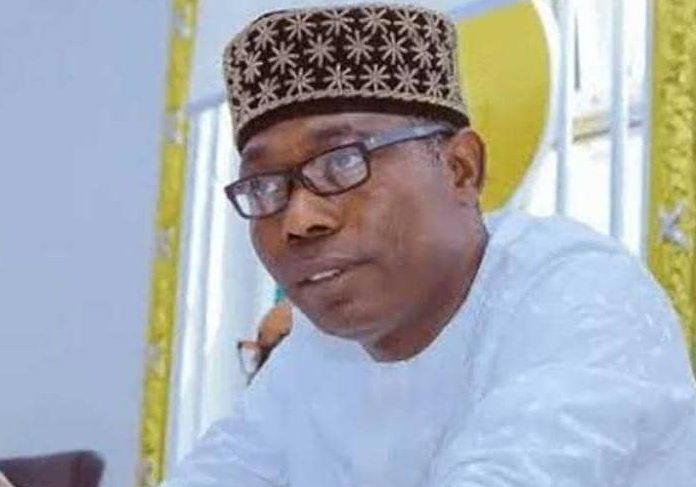
Bisi Akande, a former governor of Osun State, has urged President Bola Tinubu to extend his presidency to a decade, arguing that this timeframe would enable the administration to complete its ongoing initiatives and implement substantial reforms.
Akande’s comments came during an interview on the “Frankly Speaking with Icon” podcast, which was released on Friday. He emphasized the importance of continuity in leadership, stating, “He should remain in office, if possible, for another 10 years; otherwise, we go back to the situation of ‘Ebinpawa’ because there has been a foundation for hunger.”

He referenced remarks made by the Olubadan regarding various road projects throughout the South-West region, including critical routes connecting Ijebu-Ode, Abeokuta, Oyo, and Ikire, to underscore the progress of Tinubu’s administration.
Quoting the traditional ruler, Akande said, “If you are working like this, and this had not been done 50 years before you, what again do we still say you should do, and you have not done? But so that you will be able to complete this good job that you started, Ibadan people and Oyo State people are supporting you to do another four years.”
Akande attributed the current challenges faced by Nigeria to decades of neglect in agriculture, education, and economic development, which he claims can be traced back to successive military governments. “Forty years before he came, since 1966, when the military started ruling you, you have been laying the foundation for hunger. You have abandoned your farms. You have abandoned the job. You have refused to be educated. You have refused to be modernised,” he said.
Despite these historical setbacks, Akande expressed confidence that Tinubu’s policies would lead to significant improvements, particularly in electricity supply and modern infrastructure. “So in another 10 years, there will be electricity everywhere. There will be modernisation,” he stated.
He noted the liberalization of the electricity sector, allowing individual households and communities to generate power independently. “If you have money today, you can create electricity in your home. You can create it in your city. You can create it around you,” Akande remarked.
He contrasted this new freedom with the restrictions imposed during previous military regimes, where individuals faced legal repercussions for attempting to generate their own electricity. “Unlike what the military did before, if you tried to create electricity, they would arrest you. They would make you a debtor. They wouldn’t let you do it,” he explained.
Reflecting on his own public engagements, Akande attributed his decreased mobility to age, highlighting a shift from his more active years when he was younger.


