2027: Atiku’s victory will end rotational presidency — Shehu Sani
Shehu Sani Discusses Rotational Presidency Ahead of 2027 Election
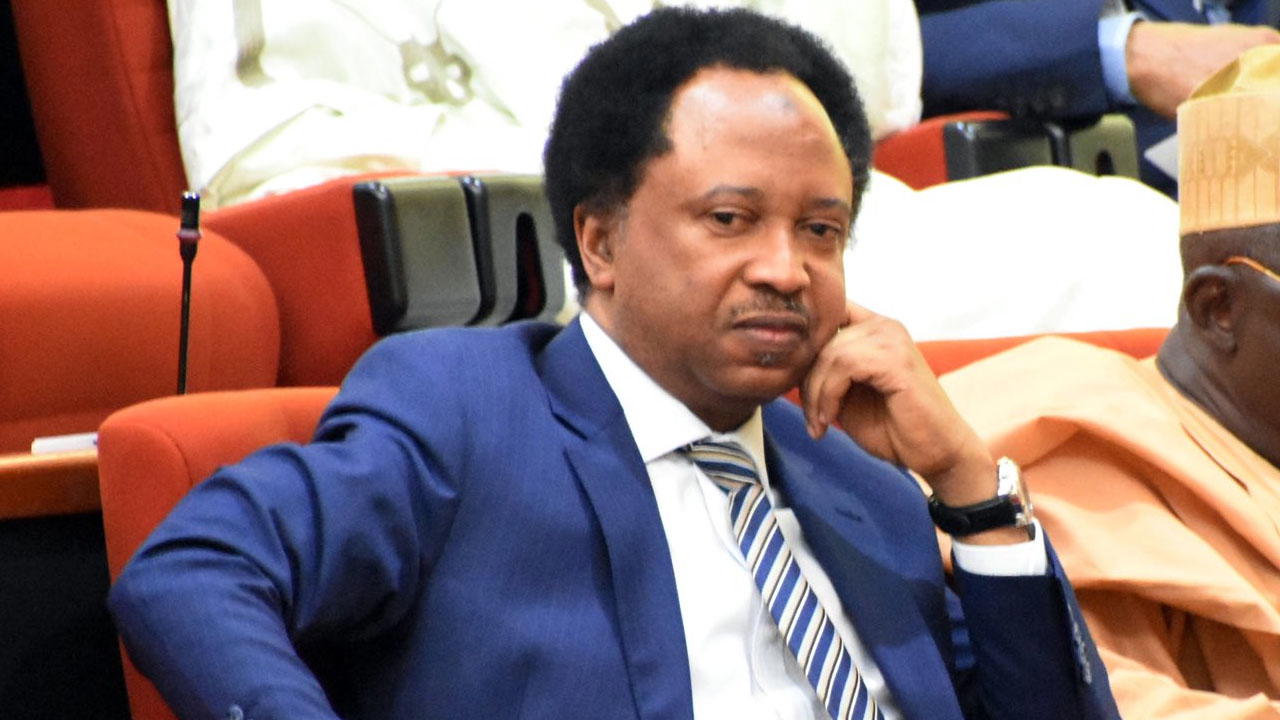
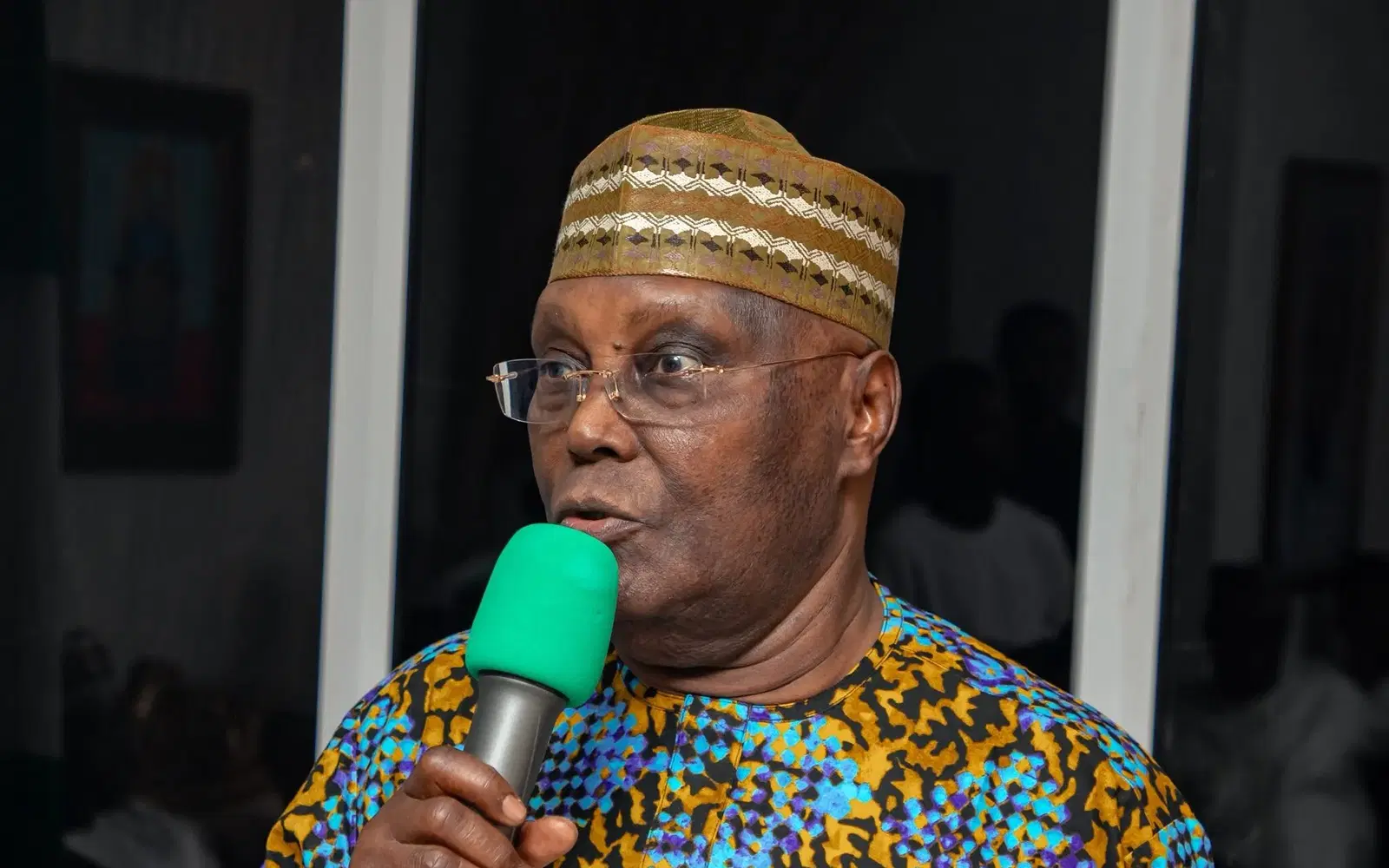
Former Kaduna Central Senator Shehu Sani has expressed concerns regarding the implications of a potential victory for Atiku Abubakar, the presidential candidate of the African Democratic Congress (ADC), in the 2027 election. Sani, speaking on Channels Television’s “Politics Today” on Friday, argued that such a win would signify the end of the informal rotational presidency arrangement in Nigeria.
Sani emphasized that it is crucial for the southern region of Nigeria to complete an eight-year presidential term before power shifts back to the northern states. He stated that while Abubakar has the constitutional right to contest, political considerations should be factored into discussions about the upcoming election.

“I never said Atiku should not run. Constitutionally, he has the right to run for any election. But what I said was that the southern part of Nigeria should be allowed to have its eight-year tenure in office, just like the North has from 2015 to 2023,” Sani explained.
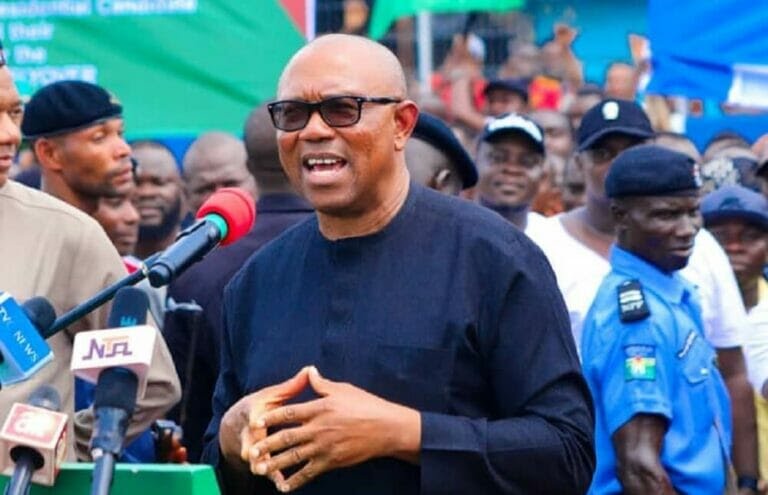
Sani suggested that Southern candidates, including Peter Obi of the Nigeria Democratic Congress and other southern aspirants, should be allowed to compete in the election. He proposed that the ADC consider fielding Rotimi Amaechi, while the NDC should nominate Obi and the Allied People’s Movement should present Oyo State Governor Seyi Makinde.
“Let the South struggle it out and see who wins, for four years. When the tenure is done by 2031, the North shall have its unchallengeable opportunity to produce leadership of the country,” he stated.
While acknowledging that the concept of a rotational presidency is not enshrined in the Nigerian Constitution, Sani urged political parties and leaders to consider this arrangement for the sake of equity and national stability. “There are things that are not written in our constitution, but in the interest of justice, fairness, equity, and peace, we need to consider all these things here,” he said.
Sani noted that prioritizing population or electoral strength should not solely dictate presidential succession. He pointed to former President Muhammadu Buhari, who served from 2015 to 2023 with what Sani described as minimal opposition from the southern region.
Furthermore, Sani reiterated that his stance is not aimed at obstructing Abubakar’s candidacy. “The constitution has not stopped him from contesting the election. He can contest the election, but for me, that is my position and I’m not backing down on it,” Sani remarked.
When asked what an Abubakar victory would mean for the rotational presidency, Sani asserted that it would effectively conclude the practice. “If Atiku wins, it means that is the end of rotational presidency in Nigeria,” he said, cautioning that such an outcome could lead to discontent in southern regions.
Sani concluded by reinforcing the idea that allowing the South to complete its term would facilitate a smoother transition for a northern candidate following President Tinubu’s term in 2031, without facing opposition from southern stakeholders. “But if we allow the South to have their eight-year term, by 2031, a Northerner takes over, there will be no challenge from the Southern part of Nigeria,” he stated.