2027: Non-release of N371bn to INEC threatens polls
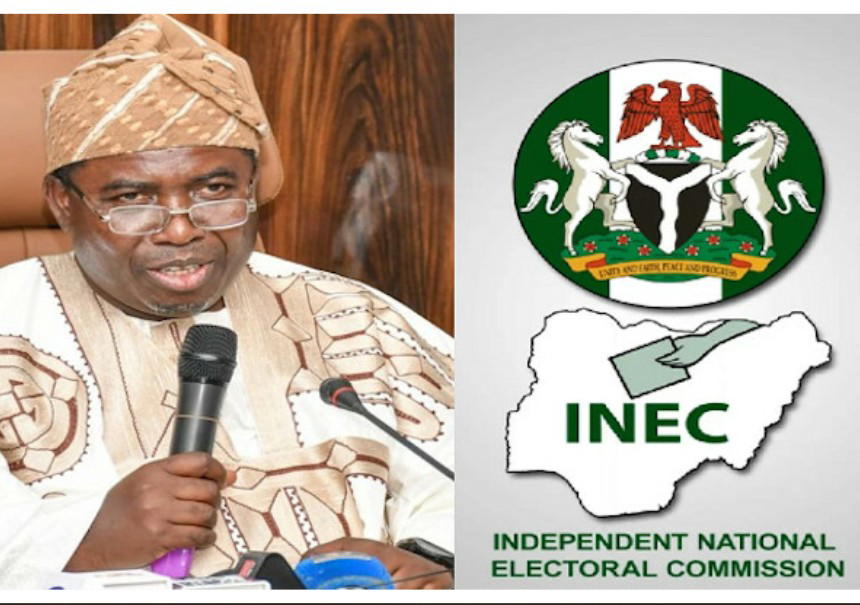
Concerns Rise Over Funding Gap as 2027 Elections Approach
By Clifford Ndujihe & Omeiza Ajayi
ABUJA — With 111 days remaining until the January 16, 2027, presidential and National Assembly elections, the Independent National Electoral Commission (INEC) is facing increasing anxiety over an estimated N371 billion still needed from its N873.78 billion election budget. INEC officials are stressing that timely funding is essential for effective planning, logistics, and security.
Although the commission received approximately N500 billion in June—more than half of its total election budget—the remaining funds are crucial for completing procurement and other preparations for the elections. The delay in releasing these funds has become particularly significant as various activities, including the production of Permanent Voter Cards (PVCs), procurement of electoral materials, deployment of technology, contractor payments, and logistics, require immediate financial support.
Budget Breakdown
The N873.78 billion budget proposed for the 2027 general elections includes allocations of approximately N379.75 billion for election operations, N92.31 billion for administration, N209.21 billion for technology, and N154.91 billion for capital expenditures. The remaining N42.61 billion is set aside for miscellaneous expenses.
The funding issues now extend beyond whether INEC has received the necessary funds. Stakeholders are increasingly questioning the expediency of disbursing the outstanding amount and the effective utilization of the N500 billion already allocated. With the presidential and National Assembly elections first on the 2027 electoral calendar, followed by governorship and state House of Assembly elections on February 6, the urgency is apparent.
Scrutinizing Fund Utilization
While the release of the initial N500 billion has alleviated some concerns, it has prompted stakeholders to seek clarity on how the money has been spent and its impact on preparations. Key areas of inquiry include expenditures related to procurement commitments, contractor payments, PVC production and distribution costs, technology investments, and logistics.
INEC National Commissioner Mohammed Haruna has acknowledged the receipt of the N500 billion but highlighted that the commission still has outstanding financial obligations, including about N6 billion owed to contractors and more than N140 billion in unfulfilled statutory allocations from the previous election cycle. He noted that the commission is already undertaking essential preparatory activities, such as procuring additional Bimodal Voter Accreditation System (BVAS) devices.
Progress Update from INEC
In a recent forum on democracy and governance, INEC reported significant progress on its 14-point timetable for the 2027 elections. The commission’s Director of Planning and Monitoring, Helen Ajayi, stated that the timetable encompasses 14 critical activities and involves extensive coordination across INEC’s various departments and state offices.
Ajayi confirmed that the Continuous Voter Registration (CVR) exercise and the display of the preliminary voters’ register have been concluded. Ongoing activities include the national PDF register generation and alignment of CVR data, as well as the commencement of PVC collection and procurement of non-sensitive electoral materials.
Experts Highlight Funding and Trust Concerns
Dr. Abubakar Muhammad Kudu, a board member of West Africa Democracy Radio (WADR), emphasized that funding, communication, and public trust are crucial issues to address ahead of the elections. He urged INEC to enhance transparency and communicate more frequently with stakeholders regarding the release and use of funds.
Pro-democracy activist Ene Obi called for active participation in the elections, and others, including public policy analyst Jide Ojo, stressed the media’s role in ensuring accountability among political leaders. WADR Managing Director Agnes John-Thomasi noted that the forum aimed to bolster democratic resilience and reliable information ahead of the elections.
Ineffective Funding Could Undermine Elections
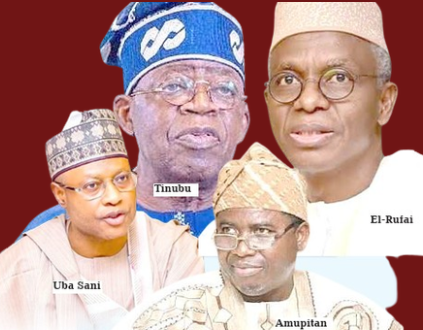
INEC Chairman Prof. Joash Amupitan has reiterated that adequate funding is essential for the successful conduct of the elections, particularly for logistics and security measures. Speaking at a recent conference in Owerri, Imo State, he asserted that insufficient financial backing could hinder the delivery of election materials and personnel to necessary locations.
Amupitan warned that failure to secure adequate funding could lead to logistical challenges that compromise the electoral process, even in instances where security agencies maintain peace.
As the January elections draw near, the focus shifts to the timely release and transparent deployment of the remaining N371 billion, with stakeholders keenly monitoring progress to ensure that financing does not become an obstacle in the lead-up to the polls.