2027: Obi–Kwankwaso push mounts in ADC, sparks unity debate
By Luminous Jannamike
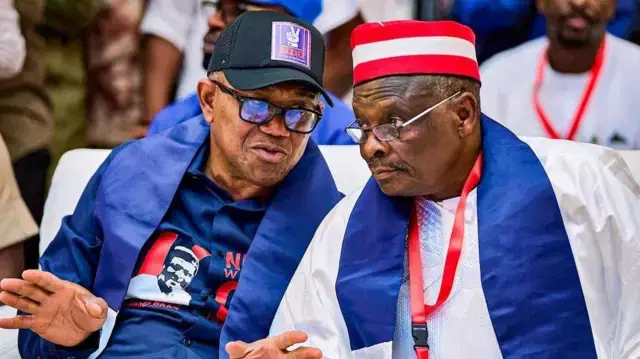
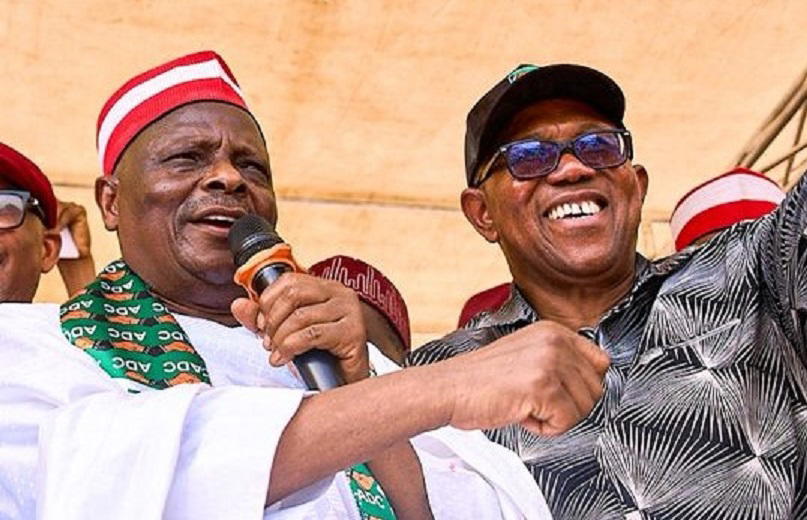
ABUJA — Within the African Democratic Congress (ADC), a movement advocating for a joint presidential ticket featuring Peter Obi and Rabiu Musa Kwankwaso is gaining momentum as the party prepares for the 2027 elections. This initiative is generating discussions about the party’s cohesion as key figures in the ADC vie for the nomination.
What initially started as a grassroots enthusiasm is evolving into an organized campaign. Members are increasingly questioning whether the ADC can maintain unity as the competition for the presidential ticket intensifies.
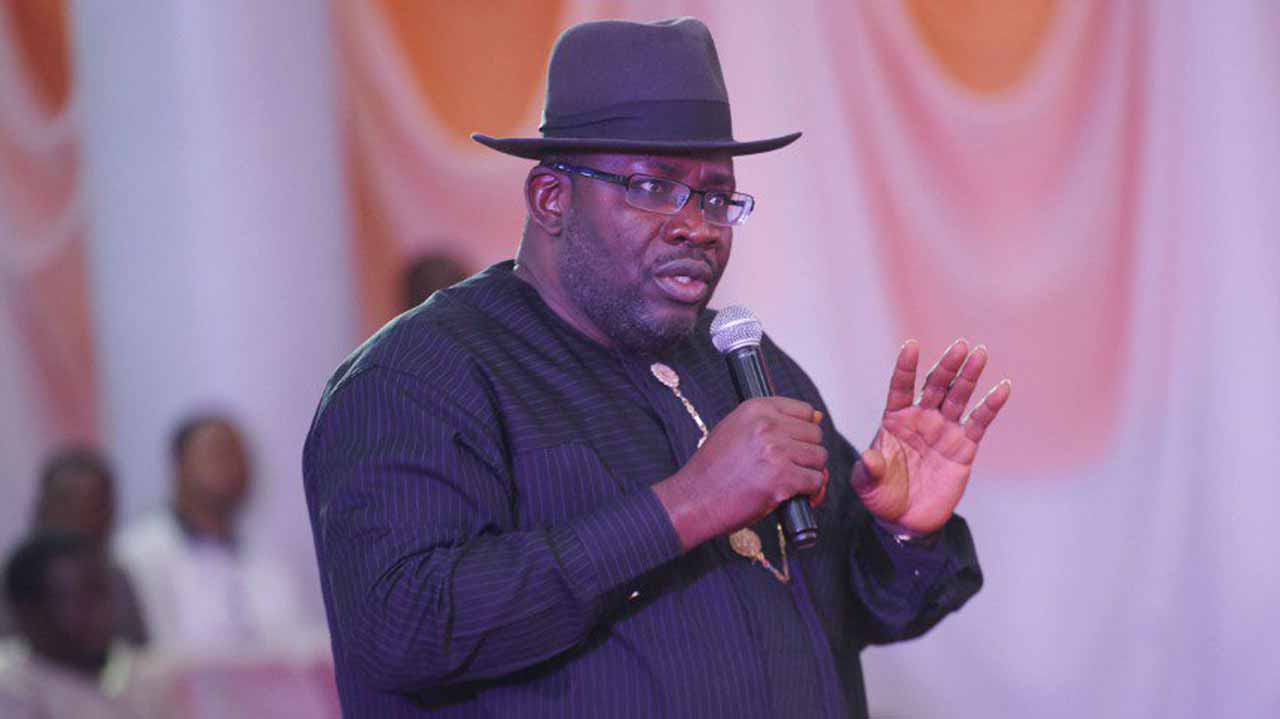
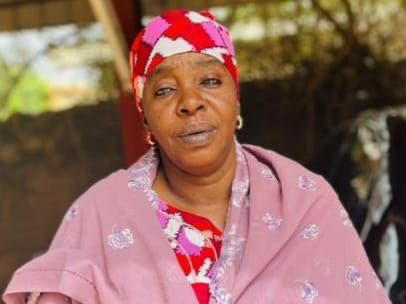
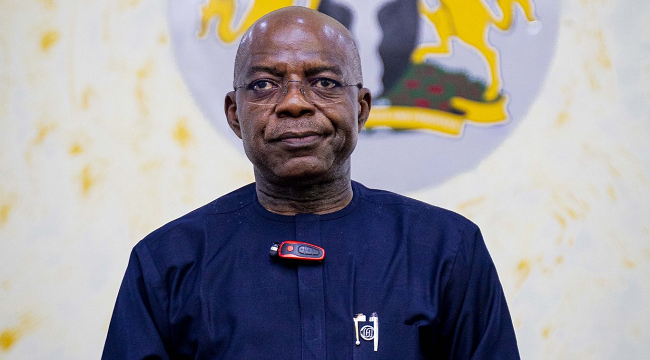
Recent months have seen the party attract notable figures with presidential aspirations, including Atiku Abubakar, Peter Obi, Rabiu Musa Kwankwaso, Rotimi Amaechi, and Mohammed Hayatu-Deen. This influx, under the leadership of National Chairman David Mark and Secretary Rauf Aregbesola, has raised hopes that the ADC could emerge as a formidable opposition force in the upcoming elections.
The push for a joint ticket is primarily driven by the Obi–Kwankwaso Movement, which was launched in Abuja and has established structures across all 36 states and the Federal Capital Territory. Proponents claim this is not simply a political group but a concerted endeavor to foster early national support for a united front.
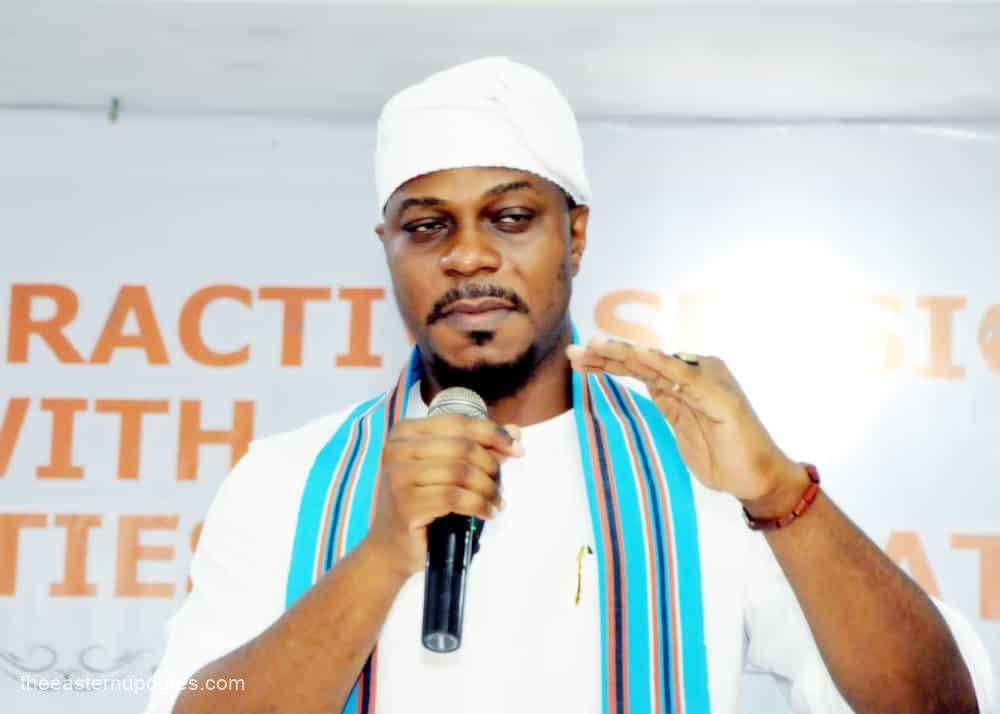
Justin Ijeh, the National Publicity Secretary of the OK Movement, emphasized the initiative’s significance, stating, “This is more than a political milestone; it is the birth of a coordinated, nationwide engine for systemic reform and national rebirth. We reject the politics of tribalism, regionalism, and religious sentiment.”
Supporters argue that a coalition between Obi’s widespread appeal, particularly among younger voters, and Kwankwaso’s influential presence in the north could potentially unify diverse voting blocs, presenting a clear alternative to the current political landscape.
Dr. Yunusa Tanko, the National Coordinator of the Obidient Movement, remarked on the ongoing discussions, noting, “It will make a lot of meaning if we have the Obidient and the Kwankwaso group working together; they can achieve significant goals.”
However, the internal dynamics within the ADC complicate the situation. The presidential field is crowded, and aspirations are high. Atiku, with established national networks, has made it clear that he will not yield easily, especially as he approaches what he suggests may be his final presidential bid.
Kwankwaso has also pushed back against assumptions that he would settle for a second-in-command role, insisting that adherence to party regulations is essential in the process of selecting candidates.
Party leadership is working to address these internal pressures, framing the current debate as a typical aspect of political discourse rather than a crisis. Bolaji Abdullahi, ADC National Publicity Secretary, stated, “The party is not worried. It is standard for members to express their preferences, provided they adhere to party rules.”
Meanwhile, calls for unity persist within the party. Obi has consistently urged opposition leaders to collaborate rather than divide as the political season unfolds, stating, “This is the time for all opposition forces and well-meaning Nigerians to set aside their differences and work together in unity of purpose.”
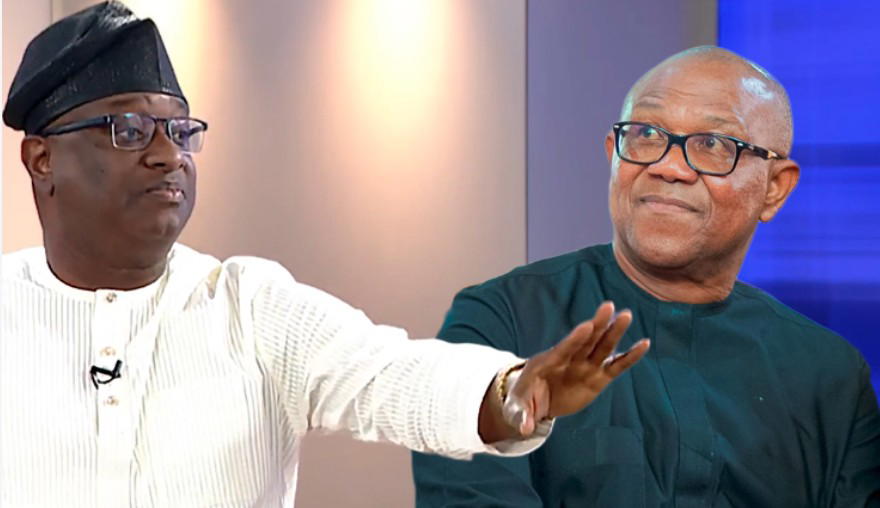
Reactions outside the party are varied. Some observers regard the proposed alliance as potentially transformative for the 2027 election, while others maintain a more cautious stance. Former Ekiti State Governor Ayodele Fayose commented on the significance of Obi to the ADC’s prospects, saying, “If Obi is not on the ballot, that is the end of ADC. He’s an excellent candidate, but achieving the presidency at this time is challenging.”
Ibrahim Abdulkarim, a political associate of Obi, mentioned that Kwankwaso has indicated a willingness to be Obi’s running mate. Supporters across both factions view the proposed partnership as essential for electoral success. Abba Gwale, a leader from Kwankwaso’s support group, asserted, “We have proposed a joint presidential ticket, especially with Peter Obi. If they secure the mandate, Nigeria will be a better place.”
Despite the enthusiasm, analysts caution that early support does not guarantee electoral victory. Dr. Thaddy Asogwa, a political analyst, noted, “An Obi–Kwankwaso ticket could reshape political loyalties and disrupt established party strategies. The real test will be translating this initial excitement into meaningful electoral support when it counts.”
As of now, no significant faction within the ADC has diverged from its collective agenda, with party leaders reaffirming that internal processes will dictate the selection of the nominee. However, with ambitions intensifying and alliances forming, the race for the ADC’s 2027 presidential ticket is already in progress, well ahead of the first votes.