2027: Opposition coalition too late to stop APC – Senator Plang

Senator Diket Plang Critiques Late Opposition Coalition Ahead of 2027 Elections
By Golok Nanmwa
JOS – Senator Diket Plang, who represents the Plateau Central Senatorial District, has characterized the recent formation of an opposition coalition in advance of the 2027 general elections as a missed opportunity. He expressed that a more impactful alliance should have been established prior to the primaries when political parties selected their candidates.
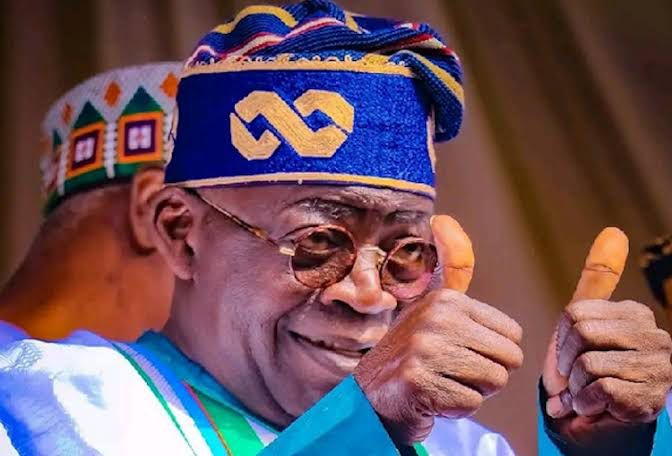
Plang voiced confidence that the All Progressives Congress (APC) will secure the majority of elective positions in Plateau State during the upcoming elections, simultaneously endorsing President Bola Tinubu for a second term.
“I am deeply convinced that APC will win the majority of the seats, whether in the governorship election, the National Assembly election, or the State House of Assembly election,” Plang stated.
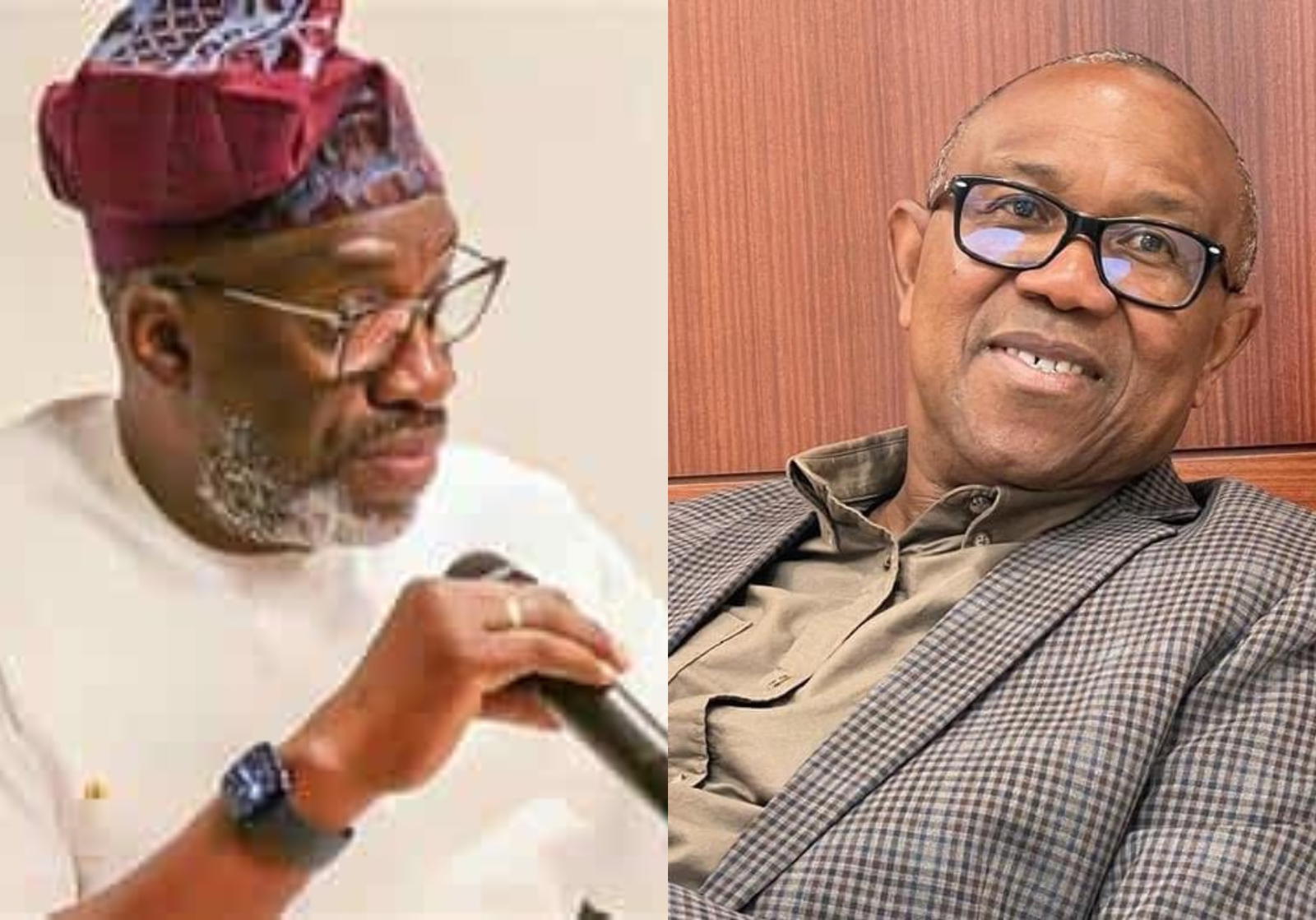
Regarding the coalition, he emphasized that its late formation diminishes its political efficacy, given that the parties had already nominated their candidates before the alliance was officially announced.
“They came very late,” he said. “If they had wanted a good coalition, it could have been formed before the parties produced their candidates.”
Plang referred to the coalition as “more of a merger of convenience than a holistic coalition,” suggesting it lacks the unity needed for significant political impact.
In addressing concerns surrounding President Tinubu’s ability to campaign nationwide, Plang argued that effective campaigning does not necessitate visiting every community or polling unit in person.
“What is the meaning of going round? Is it going round the states, local governments, wards, or polling units?” he queried.
He also indicated that political parties can effectively reach voters through organized campaign structures that communicate their messages across different levels.
“If you have a campaign team that can take your message to the people, explain your manifesto, and tell them what you intend to do, that is also a way of reaching the electorate,” Plang said, adding, “The message moves from the national level to the geopolitical zones, states, local governments, and wards before eventually getting to individual voters.”
On the issue of insecurity, Plang acknowledged it as a significant concern for many Nigerians, advocating for the establishment of additional military formations as a critical measure to address this challenge.
“At a time like this, you all know that what is foremost in the minds of Nigerians is security,” he stated.
He argued that a president committed to enhancing security forces and increasing their compensation, as well as establishing more military units, is essential for the nation’s safety.
In particular, he highlighted that the establishment of new military formations in Plateau State, including battalions in areas such as Mangu, Barkin Ladi, and Wase, could bolster efforts to combat insecurity.
“If you wake up tomorrow and find that the President is willing to establish permanent military bases in Mangu and Barkin Ladi, it gives hope that something is being done to address insecurity,” Plang added.
He stressed that improving the welfare of security personnel and expanding military resources are necessary for a more effective response to security threats.
Plang noted that there is a clear commitment from the President to prioritize security and tackle the pervasive issue of insecurity.
“For me, we need to give him another opportunity to concentrate on the reforms and efforts he has started in tackling insecurity,” he stated.
On the topic of infrastructure, Plang, a member of the Senate Committee on Works, commended several projects initiated by the Federal Government. He highlighted the Lagos-Calabar Coastal Highway as an example, recalling initial skepticism regarding the project’s feasibility.
“Honestly, when we went for the flag-off, I saw what looked like an impossibility,” he remarked, referring to the complexities of reclaiming ocean land for road construction.
However, he noted a positive shift in perception after attending the project’s first phase commissioning, asserting that the outcome surpassed early expectations.
Plang also mentioned progress on the Akwanga-Keffi road corridor, framing the Federal Government’s infrastructure initiatives as vital investments in the nation’s future.
“If you look at the infrastructure projects the President has embarked upon, you will see that they are futuristic and offer hope for economic development,” he said.
He concluded by advising Nigerians to evaluate political promises against actual performance and to approach the upcoming elections with caution regarding unproven alternatives.