Peter Obi, Obidients biggest obstacle to Igbo presidency – Segun Sowunmi
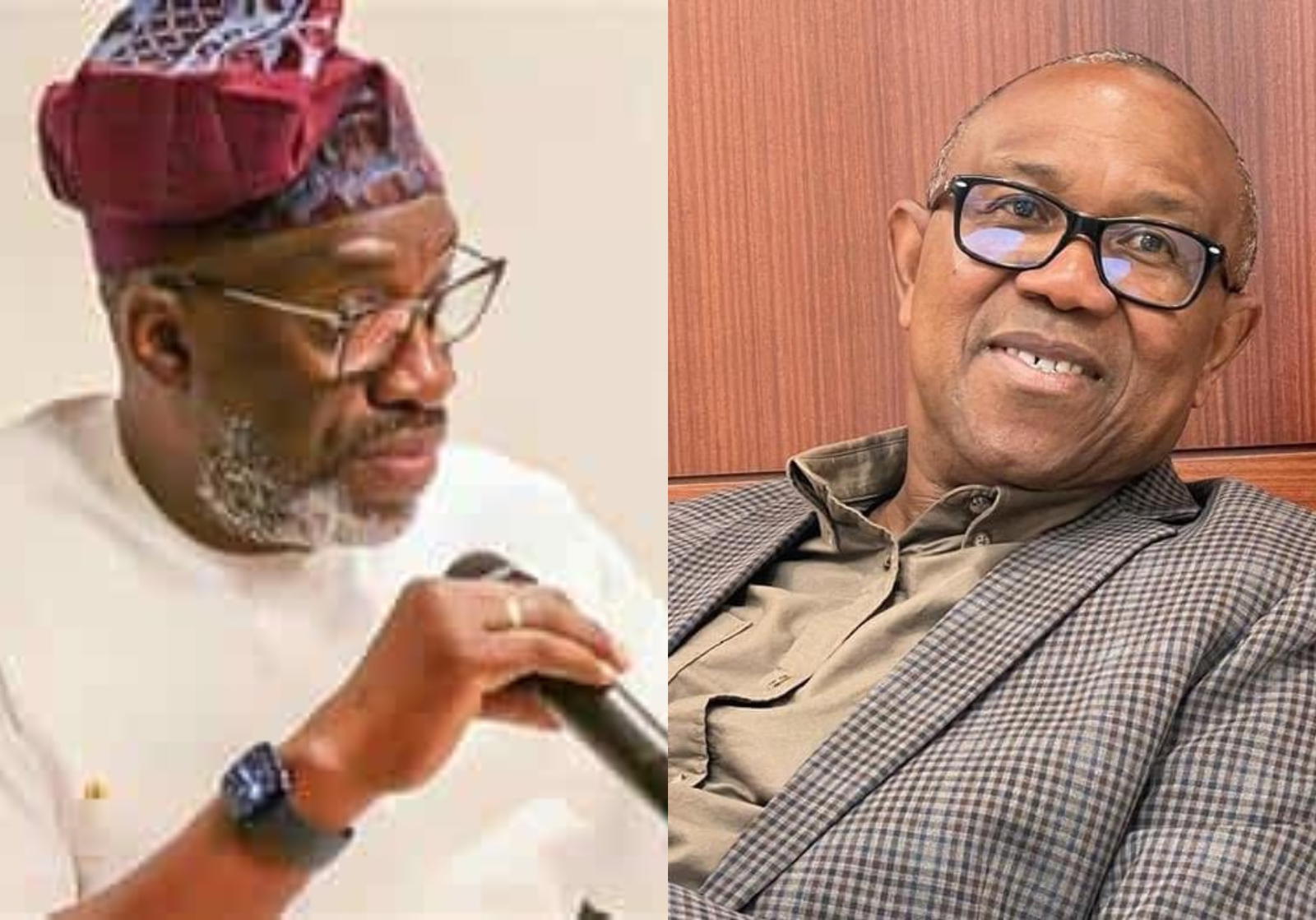
Sowunmi Critiques Obi and Supporters as Barriers to Igbo Presidency
Segun Sowunmi, convener of The Alternative, identified Peter Obi, the presidential candidate of the Nigeria Democratic Congress, and his supporters, known as the Obidients, as significant obstacles to the South-East region’s ambition to produce Nigeria’s next president.
During a recent interview on the Selah Meditate Podcast, Sowunmi emphasized the need for the South-East to build alliances with other regions and reduce political hostility to enhance its chances in the upcoming 2027 general election.
“The biggest obstacle I see to the Igbo presidency is Peter Obi and his Obidients. Let me tell you why. Power must be negotiated,” Sowunmi stated. He argued that successful presidential aspirations would require broader political cooperation that extends beyond ethnic affiliations, starting with solidarity across the Southern states and extending to the Middle Belt and the North.
Sowunmi highlighted that securing the presidency entails strategic negotiations and fostering relationships outside one’s immediate political base. “You can’t be asking for the presidency in a multi-ethnic, multicultural country when the level of bigotry and hatred and anger is too high,” he said.
The political commentator also expressed concerns regarding the hostility exhibited by some of Obi’s supporters, suggesting that their behavior could alienate potential allies and reinforce unfavourable perceptions of the South-East. He noted that the irritation caused by their actions could undermine broader political goals.
“A general has a significant responsibility to manage his troops,” Sowunmi added, urging political leaders to guide their supporters in making statements that do not convey tribal sentiments. He contrasted the conduct of Obi’s supporters with those of Atiku Abubakar, whose backing, he said, could sometimes make provocative remarks without taking on a tribal tone.
Furthermore, Sowunmi questioned the seeming contradiction between the economic clout of some Igbo businesspeople and the grievances they express regarding Nigeria’s political and economic landscape. Highlighting their investments in markets, retail, real estate, banking, and aviation, he argued that these economic interests should motivate greater engagement with the country’s political system.