2027 presidency: ACF, PANDEF, MBF, demand scrutiny of candidates’ history
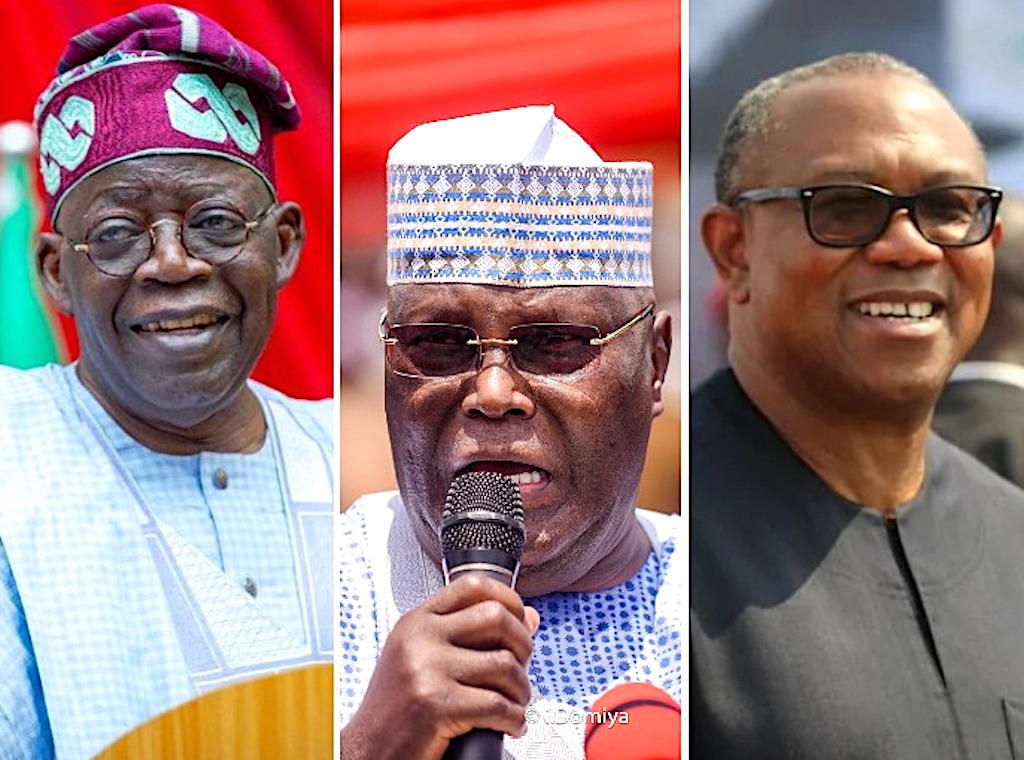
Major Political Organizations Call for Transparency Among 2027 Presidential Candidates
By Dapo Akinrefon, Samuel Oyadongha, Peter Duru, and Juliet Umeh
LAGOS — As Nigeria prepares for the 2027 general elections, leading socio-political organizations have expressed strong support for public scrutiny of the personal histories of presidential candidates and other politicians seeking office. Prominent groups argue that the electorate deserves to understand the backgrounds, educational qualifications, and integrity of those who aspire to hold political power.

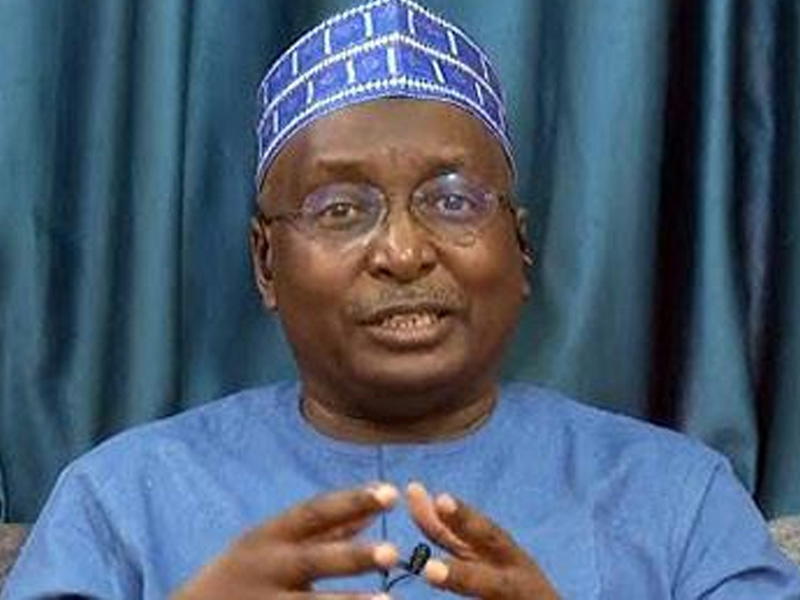
The Arewa Consultative Forum (ACF) emphasized that political aspirants must be ready to answer questions about their past. According to ACF Publicity Secretary Prof. Tukur Baba, the criteria for candidates must extend beyond mere educational certificates to include the consistency and transparency of their actions and personal narratives.
“In a country where leadership holds significant responsibilities, it is legitimate to inquire about candidates’ histories,” Baba said during an appearance on Arise Television’s Morning Show. He noted that while the 1999 Constitution does not mandate detailed educational documentation for presidential candidates, this should not preclude a broader discussion about accountability.
Baba likened Nigeria’s leadership selection process unfavorably to other countries, citing China’s rigorous vetting of its leaders over many years. He criticized Nigeria’s flexible standards for accountability, attributing this to a lack of public demand for transparency.
Despite the emphasis on scrutiny, Baba pointed out that the average Nigerian ultimately prioritizes the tangible impacts of governance on their daily lives over candidates’ educational backgrounds.
The Pan Niger Delta Forum (PANDEF) echoed the ACF’s sentiment, with National Chairman Ambassador Godknows Igali stating that candidates are obligated to share their life journeys with the electorate. He likened the situation to the common practice of submitting a CV for job applications, arguing that voters deserve to know about candidates’ histories to better assess their qualifications for public service.
Igali maintained that understanding a candidate’s background is crucial for evaluating their strengths and weaknesses, dispelling the notion that only present qualifications matter.
The Middle Belt Forum (MBF) also supported the need for candidates to be evaluated based on their track records rather than mere campaign promises. MBF President Dr. Bitrus Pogu stated that candidates should be prepared to demonstrate their achievements as part of the electoral process. He asserted that thorough background checks can empower voters to make informed decisions and encourage accountability among political leaders.
In contrast, the pan-Yoruba socio-political organization Afenifere highlighted the moral complexities associated with examining candidates’ backgrounds. General Secretary Chief Ademola Folarin argued that while scrutinizing candidates is valuable, the interpretations of morality can vary widely and may be subjective. He emphasized the legal standards that should govern candidate evaluations, suggesting that while morality informs public opinion, the law ultimately determines eligibility for public office.
The discussions surrounding candidate transparency are expected to intensify as Nigeria approaches the 2027 elections, reflecting a growing demand among voters for accountability and integrity in leadership.
For further information, visit Vanguard News.