2027 Presidency: How far can PDP-APM alliance take Makinde?
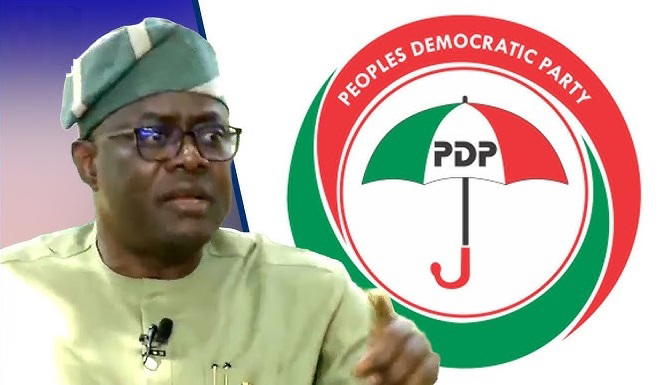
Governor Seyi Makinde Announces Presidential Bid, Forms Alliance with APM
By Dapo Akinrefon
IBADAN, Nigeria — On Thursday, May 14, Oyo State Governor Seyi Makinde officially declared his candidacy for the presidency in the 2027 elections, representing a coalition between the Peoples Democratic Party (PDP) and the Allied Peoples’ Movement (APM).
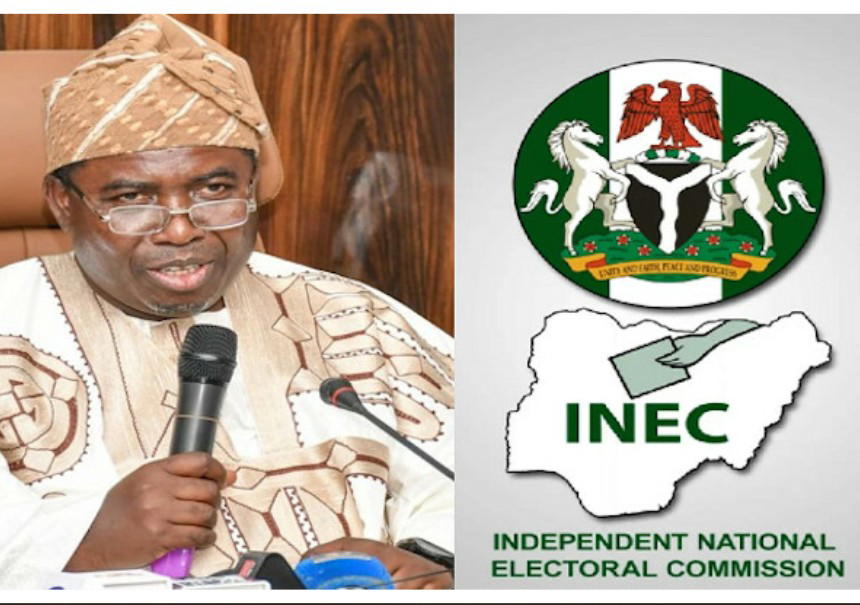
His announcement came during a large rally attended by thousands of supporters, signaling a significant shift in the political landscape of Oyo State. This move marks not just a personal ambition but an attempt to galvanize a broader political coalition, reminiscent of the strategies that brought him to power in 2019.
The newly formed alliance is seen as a critical step toward establishing a national opposition movement ahead of the upcoming elections. The launch followed the signing of a Memorandum of Understanding between the PDP and APM at their South-West Secretariat in Ibadan, under the supervision of Makinde and APM National Chairman Yusuf Mamman Dantalle.
However, questions arise regarding the viability of replicating the success of state-level coalitions on a national scale, particularly against the entrenched dominance of the All Progressives Congress (APC). Political analysts suggest that the effectiveness of such an alliance could significantly influence Nigeria’s political trajectory over the next two years.
Historical Context
Makinde’s rise to governorship in 2019 is often cited as a pivotal moment in opposition coalition politics in Nigeria. At that time, a fragmented political landscape in Oyo led to collaboration among various opposition parties, including significant figures like former Governor Rashidi Ladoja, who unified their efforts behind Makinde’s candidacy. This coalition enabled Makinde to defeat the APC candidate with a considerable margin.
As he embarks on this new presidential campaign, the stakes are higher. Successful national coalitions historically confront more complex dynamics than their state counterparts.
Pressing Issues
At the rally, Makinde emphasized the urgency of the “Reset Nigeria Movement,” portraying the coalition as a necessary response to the current political and economic challenges facing the country. He argued that Nigeria’s democratic foundations were under threat, citing increasing interference in opposition politics.
“The political climate demands that we retrace our steps to understand how we arrived at this moment in our history,” Makinde stated. He expressed concerns over the diminishing power of opposition parties, suggesting that unnamed political actors aim to weaken these groups to pave the way for a one-party state.
The governor also addressed the frustration many Nigerians are experiencing amid rising inflation, security issues, and economic instability. “The economic and security situations continue to worsen, forcing the majority of Nigerians into survival mode,” he said.
Beyond Partisan Politics
Makinde’s speech sought to redefine opposition politics as inclusive of all Nigerians disenchanted with the current governance. “The opposition is not limited to political parties alone. It is every ordinary Nigerian for whom this country is no longer working,” he declared, suggesting that effective change requires collaboration among a broader demographic.
The coalition leaders echoed this sentiment, framing their alliance as a necessary response to unfulfilled promises by the APC government.
Former Osun State Governor Prince Olagunsoye Oyinlola highlighted that the alliance emerged from a desire to rectify unmet expectations from previous elections. Oyo PDP Chairman Dayo Ogungbenro described the coalition as a significant turning point in the country’s democratic journey.
Challenges Ahead
Despite the enthusiasm generated at the Ibadan rally, formidable challenges lie ahead for Makinde and the alliance. Historical patterns indicate that coalitions often struggle to maintain unity after achieving electoral success. Additionally, the political landscape in the South-West remains heavily influenced by President Bola Tinubu, making it necessary for Makinde to forge alliances beyond his home region to gain traction nationally.
As the 2027 elections approach, the emphasis will be on whether the coalition can sustain its momentum and persuade Nigerians that it represents a viable alternative to the current administration. The next few years will be critical in determining if Makinde can advance from state-level influence to a prominent role on the national stage.