3 years of Tinubu: Manufacturers yet to see policies translate into industrial growth — MAN
Manufacturers Assess Impact of Tinubu’s Economic Reforms After Three Years
By Yinka Kolawole
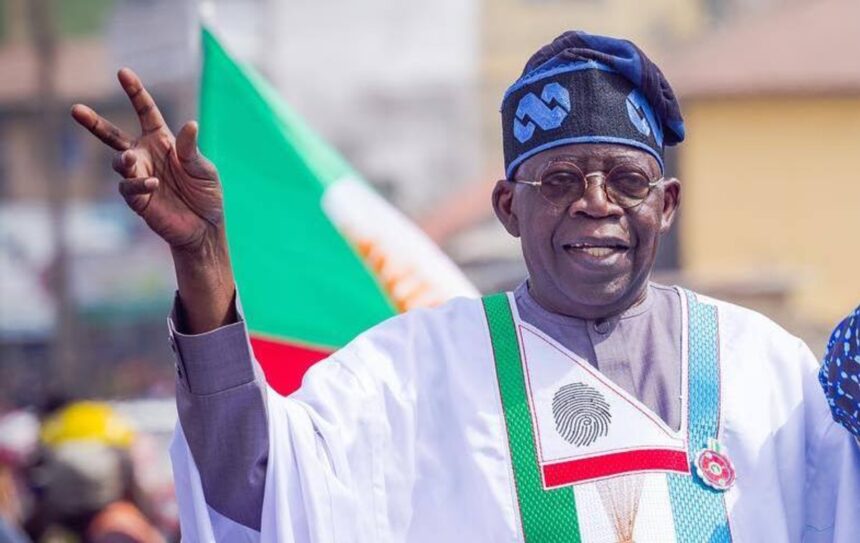
As President Bola Tinubu marks three years in office, the Manufacturers Association of Nigeria (MAN) has evaluated the administration’s economic and industrial reforms aimed at revitalizing Nigeria’s manufacturing sector. Despite various initiatives intended to stimulate growth and attract investment, many in the industry report that these policies have not yet yielded the anticipated results.

Since 2020, Tinubu’s administration has introduced a range of reforms, including intervention funds, industrial roadmaps, and foreign exchange restructuring. These measures are designed to enhance local value addition, lower production costs, and stimulate manufacturing growth.
However, industry leaders argue that the impact of these policies remains limited. Segun Ajayi-Kadir, MAN’s Director General, emphasized that while the government has made noteworthy attempts to address structural issues within the economy, the burden of reform implementation has increasingly fallen on manufacturers.
N200 Billion Intervention Fund
A notable initiative is the N200 billion Presidential Intervention Fund, which aims to support manufacturers and micro, small, and medium enterprises (MSMEs). This fund encompasses three components: a N75 billion Manufacturing Sector Fund, a N75 billion MSME Loan Scheme, and a N50 billion Nano Business Support Scheme.
While the fund has been welcomed by manufacturers, MAN asserts that high energy costs, foreign exchange fluctuations, and expensive credit continue to hinder its overall effectiveness.
Nigeria Industrial Policy 2025
The administration also launched the Nigeria Industrial Policy (NIP) 2025, a 10-year framework targeting a rise in manufacturing’s contribution to the nation’s Gross Domestic Product (GDP) to between 20 and 25 percent by 2030. The policy includes plans to recapitalize the Bank of Industry to N3 trillion to broaden industrial financing.
Ajayi-Kadir regards the NIP as a significant step toward industrial transformation, though he stresses that effective implementation is crucial for success.
‘Nigeria First’ Policy
Another key initiative, the ‘Nigeria First’ policy, mandates that government departments prioritize locally manufactured goods in public procurement. This policy aims to boost domestic production and reduce reliance on imports. MAN believes that if effectively enforced, this policy could expand demand for Nigerian products and stimulate investment in local industries.
Foreign Exchange Reforms
The administration’s unification of foreign exchange windows and liberalization of the exchange rate regime has aimed to attract foreign investment and improve transparency. However, MAN warns that the resulting depreciation of the naira has escalated costs for manufacturers, affecting their pricing, profit margins, and expansion capabilities.
Local Value Addition Legislation
Upcoming legislation requiring a minimum of 30 percent local value addition for selected agricultural commodities and solid minerals before export has garnered strong support from manufacturers. This policy seeks to encourage domestic processing and enhance value retention within the economy.
2025 Tax Reform Act
The recently introduced 2025 Tax Reform Act introduces significant fiscal changes aimed at easing the tax burden on businesses. Manufacturers have praised provisions such as withholding tax exemptions and phased reductions in corporate tax.
Naira-for-Crude Initiative
The Naira-for-Crude initiative allows domestic refineries to purchase crude oil in naira, an effort to strengthen the local currency and enhance energy security. This policy has provided some relief for manufacturers relying on locally refined products.
National Single Window
To streamline trade and reduce bottlenecks, the government has launched the National Single Window, a digital platform intended to integrate various agencies involved in the import-export process. MAN has expressed optimism about the initiative’s potential to improve logistics efficiency.
Ongoing Challenges
Despite these initiatives, Ajayi-Kadir points out that manufacturers continue to grapple with an array of macroeconomic challenges, including rising energy costs and other expenses exacerbated by fiscal policy changes. The association also highlights the ongoing instability in electricity supply, which undermines production capacity and competitiveness.
As the Tinubu administration approaches its fourth year, manufacturers are calling for a more coordinated approach to ensure that policy initiatives lead to measurable industrial growth. Ajayi-Kadir asserts that the true test of the administration’s reform agenda will hinge on tangible outcomes, including job creation and increased industrial output.
For now, while several policies show promise, manufacturers have yet to see substantial improvements in the industrial landscape that would position the sector as a key driver of Nigeria’s economic development.