POWER FAILURE: Nigeria loses 3,100 GWh to gas flaring
NUPRC, NOSDRA Disagree on Gas Flaring Volumes
By Ediri Ejoh
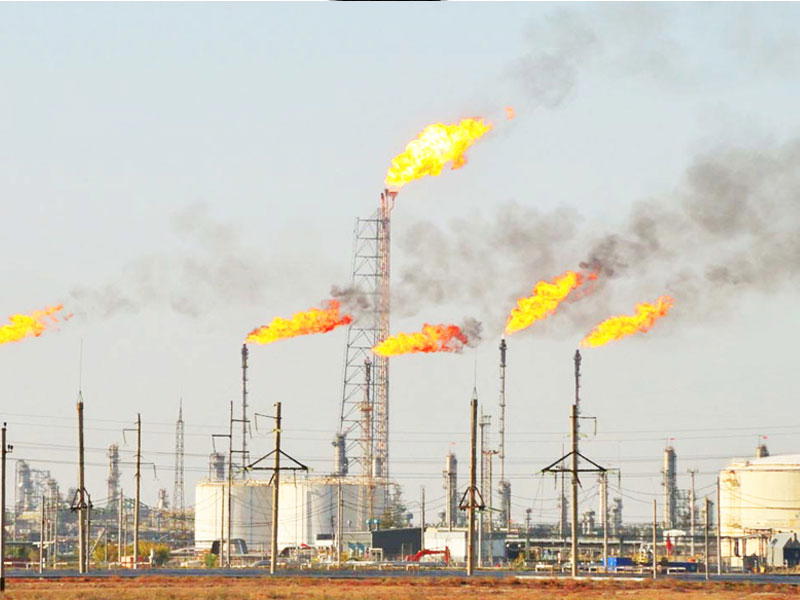
The Federal Government’s goal of transforming Nigeria into a gas-driven economy by 2030 faces significant challenges, evidenced by an estimated loss of 3,100 gigawatt-hours (GWh) in electricity generation potential due to persistent gas flaring by oil companies in May 2026.



Recent reports indicate a discrepancy in the volume of gas flared during this period between two key regulatory agencies. The Nigerian Upstream Petroleum Regulatory Commission (NUPRC) reported 17.6 million standard cubic feet (MMSCF) of gas flared, while the National Oil Spill Detection and Response Agency (NOSDRA) provided a higher estimate of 30.7 million standard cubic feet (MSCF).
According to NOSDRA’s latest report, the monetary value of the flared gas reached approximately $107.5 million. The agency stated that penalties for non-compliant companies, which include several International Oil Companies (IOCs), could reach $61.4 million.
NOSDRA also detailed the distribution of gas flaring across oilfields, revealing a 62.3% increase in flaring by onshore operations, which accounted for 22.3 MSCF, compared to just 8.4 MSCF flared offshore. This volume of flaring resulted in an estimated 1.6 million tonnes of carbon dioxide emissions.
Despite regulatory efforts to reduce flaring, the practice has continued unabated since the 1950s, contributing harmful gases to the atmosphere. The Federal Government has reiterated its commitment to the “Decade of Gas” initiative, launched in 2021, which aims to enhance power supply, industrial use, and gas exports by 2030.
A government report highlighted that promoting gas utilization for power generation and incentivizing investment in the gas value chain remain crucial objectives. However, despite increased investments in the gas sector, high levels of gas flaring suggest that these inflows have not led to corresponding improvements in gas production and utilization.
Additionally, sources indicate that Nigeria’s struggle to consistently generate over 4,000 megawatts (MW) of electricity for households and businesses is partially attributed to inadequate gas supplies for Electricity Generation Companies (GenCos).
In response to the ongoing gas flaring issue, the Renevlyn Development Initiative (RDI) has called for an outright ban on the practice. The RDI argues that oil companies operating in the Niger Delta often prefer to pay penalties rather than cease flaring. Their position is underscored by recent data which shows that oil firms in Nigeria paid approximately $646 million in gas flaring penalties in 2025, the highest amount in the last five years.