Delta: Fallouts of APC primaries raise more questions as Omo-Agege, Ochei boost NDC
Political Fallout in Delta as Key Figures Defect to NDC
By Akpokona Omafuaire
Delta State is witnessing significant political shifts following the recent All Progressives Congress (APC) primaries, as two prominent figures—former Deputy Senate President Ovie Omo-Agege and former Speaker of the Delta State House of Assembly Victor Ochei—have officially joined the Nigeria Democratic Congress (NDC). Both politicians have received waivers, enabling them to contest for senatorial seats in the upcoming 2027 elections.
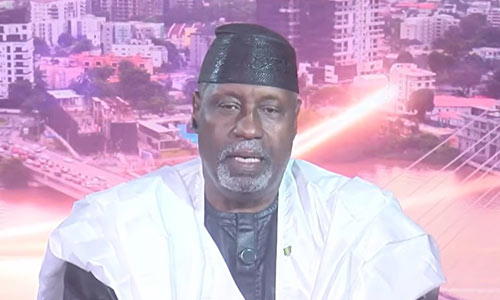
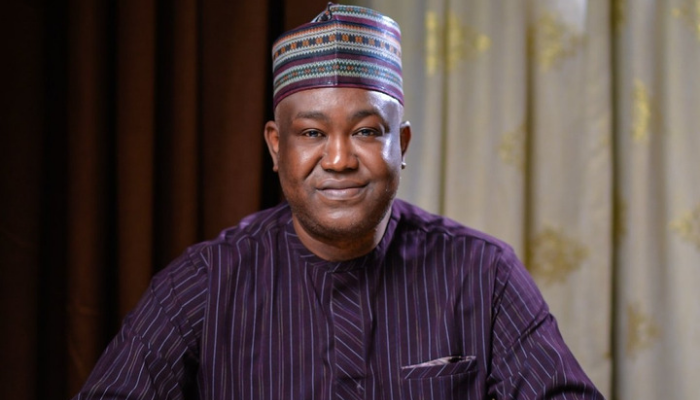
Their transition from the APC to the NDC raises questions regarding the internal stability of the ruling party in Delta State, highlighting ongoing tensions stemming from the primaries and the potential impact on political alignments in the lead-up to the next general elections.
This development follows Omo-Agege’s recent defeat in the Delta Central senatorial primary to incumbent Senator Ede Dafinone, a contest that revealed fractures within the APC. Dafinone’s victory over Omo-Agege was substantial, stirring concerns among observers regarding the former deputy senate president’s political trajectory.
Omo-Agege, who previously wielded significant influence within the APC and was the party’s gubernatorial candidate in 2023, faced a notable setback with this loss. His resignation from the APC, coupled with his shift to the NDC, suggests a potential reconfiguration of political alliances in Delta State.
In a statement regarding his departure, Omo-Agege noted he joined the NDC after “weeks of reflection, consultations and honest conversations” with his supporters, asserting that the people of Delta deserve leadership marked by integrity and tangible results.
The NDC quickly moved to solidify its new alliance, granting waivers to both Omo-Agege for the Delta Central seat and Ochei for the Delta North seat. The party characterized the two as experienced politicians with strong grassroots connections, capable of enhancing its political standing in the region.
However, the defections have reignited discussions about the APC’s internal dynamics and whether the recent primary elections truly catered to a reconciliatory approach amid longstanding factionalism. Analysts suggest that the outcomes may have deterred some influential groups within the party, particularly those aligned with Omo-Agege and Ochei, who anticipated a more pronounced role in candidate selections.
Questions arise regarding the APC’s awareness of the political ramifications tied to sidelining formidable figures with significant grassroots support in both Delta Central and Delta North.
For the NDC, these defections present a strategic opportunity to strengthen its foothold in Delta politics. While still an emerging force on the national stage, the party has recently drawn notable opposition figures, positioning itself as a viable alternative for the upcoming electoral cycle. Political analysts observe that Omo-Agege’s move could immediately enhance the NDC’s visibility and organizational capabilities in Delta Central, while Ochei’s connections may alter political dynamics in Delta North.
Uncertainty lingers about the implications of these changes. Speculation continues regarding the potential for further departures from the APC in Delta State. Questions also arise around the NDC’s ability to navigate the ambitions of its expanding membership. Moreover, observers ponder whether these political maneuvers signal genuine ideological shifts or simply reflect the ongoing trends in Nigeria’s political landscape.
As the aftermath of the APC primaries continues to unfold, the battle for Delta’s political landscape has entered a new phase, with reports suggesting additional figures, including Senator Ned Nwoko—who previously lost to former Governor Ifeanyi Okowa—may also consider joining the NDC.