Why Nigerians are angry —Yerima Shettima
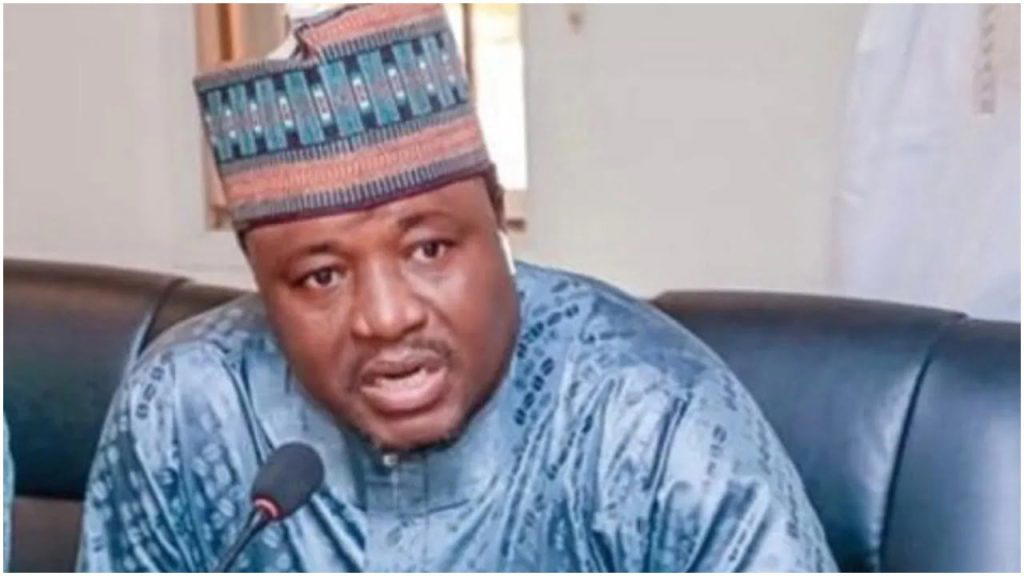
Northern Leader Addresses Political Landscape Ahead of 2027 Elections
By Chioma Gabriel, Editor, Special Features
Yerima Shettima, convener of the Northern Stakeholders Consultative Initiative, is a prominent social and political advocate in Northern Nigeria. Recently, Shettima announced his entry into the Kaduna Central Senatorial District race under the All Progressives Congress (APC), emphasizing the need for internal party democracy and opposing the notion of “anointed candidates.” While he has since stepped aside for the current officeholder, he shared his insights on the upcoming elections and the broader political landscape.
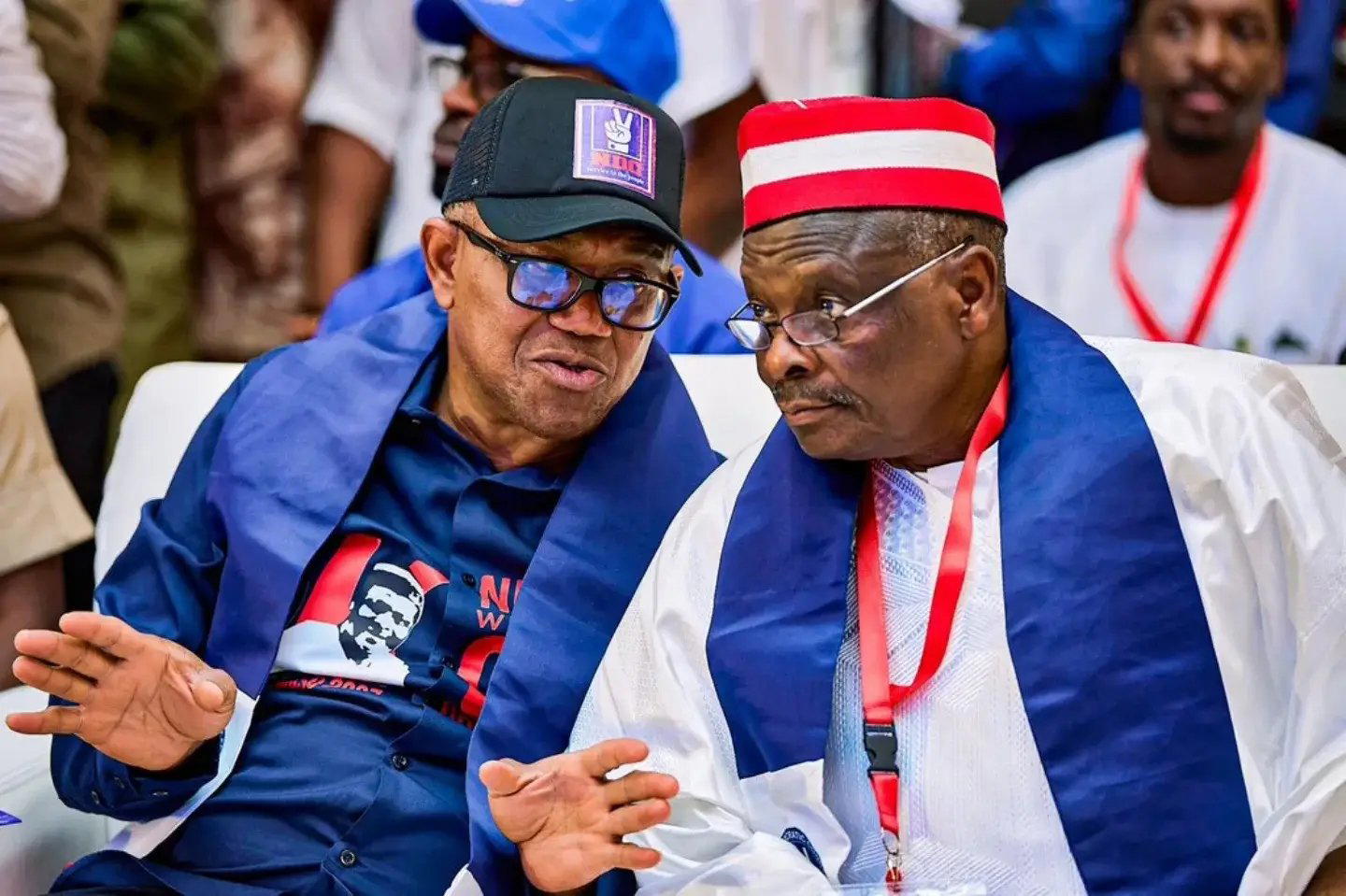
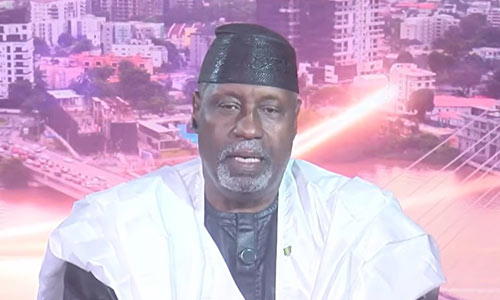
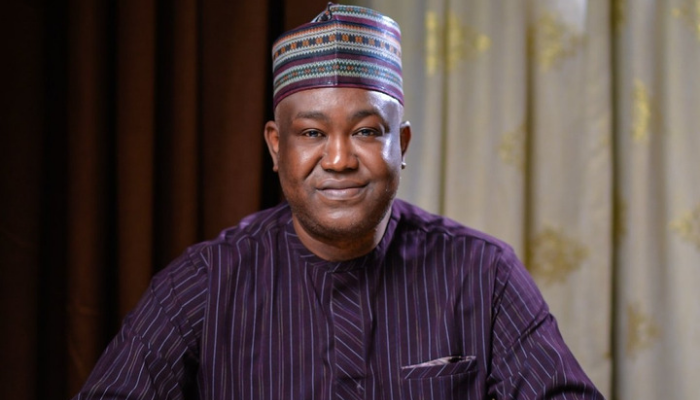
In a recent interview, Shettima highlighted the challenges of Nigeria’s political environment, particularly during election seasons. He expressed concern about the inconsistency of politicians and the lack of ideological commitment in party politics. “When politics is guided by ideology, consistent loyalty to a party should follow, unlike what we often see in Nigeria,” he said.
Despite prevailing uncertainties, Shettima remains confident that the 2027 elections will proceed as planned. “With the timetable out, I see no reason why elections would not happen. Campaigns are on the horizon, and preparations are underway,” he stated.
On the current political opposition, Shettima noted that many opposition figures appear fragmented and disorganized. “Desperation among these groups is counterproductive,” he said. He argued that it is not the responsibility of the APC to facilitate the growth of the opposition. Rather, he believes that the opposition must unify and strengthen itself to be effective.
Addressing concerns about the Independent National Electoral Commission (INEC) and the judiciary, Shettima acknowledged systemic issues within these institutions. “Our problems stem from weak institutions, which must be fortified to uphold democracy,” he stressed.
When discussing the role of the current National Assembly, Shettima rejected claims that it merely rubber-stamps executive decisions. “The Assembly often reaches consensus for the sake of the country’s progress, involving various parties in their deliberations,” he said.
As Nigeria grapples with significant debt and infrastructural challenges, Shettima defended government borrowing as a necessary means to promote development. “Investments in infrastructure, such as road networks, are essential for economic growth,” he stated.
He addressed public concerns over government spending and allegations of misuse of funds. However, he urged citizens to consider the broader picture of development before casting judgment.
Shettima also touched on issues of security, emphasizing the need for reforms in Nigeria’s policing framework. “Decentralization of security, such as community policing, is crucial in addressing widespread insecurity,” he said.
As public frustration grows regarding the reintegration of former terrorists into society, Shettima expressed skepticism about such policies. “Rehabilitation must be handled with care; integrating individuals with violent backgrounds into military roles is problematic,” he argued.
Looking ahead to the 2027 elections, Shettima expressed cautious optimism. While he acknowledged that electoral processes can be tumultuous, he stated that challenges are expected and manageable. “We must commit to supporting our institutions and ensuring that democratic processes are upheld,” he concluded.
Shettima’s remarks form part of an ongoing discourse about the political future of Northern Nigeria as the country prepares for upcoming elections.