APC’s Exodus Season: Lawmakers trapped, bigwigs flee as primaries fallout shakes ruling party

APC Faces Turmoil Following Primary Elections
By Omeiza Ajayi, ABUJA
The All Progressives Congress (APC) is grappling with significant fallout from its recent nationwide primary elections, undermining President Bola Tinubu’s political standing ahead of the 2027 elections. A wave of high-profile departures has left the party reeling as some members choose to leave while others contemplate their futures.


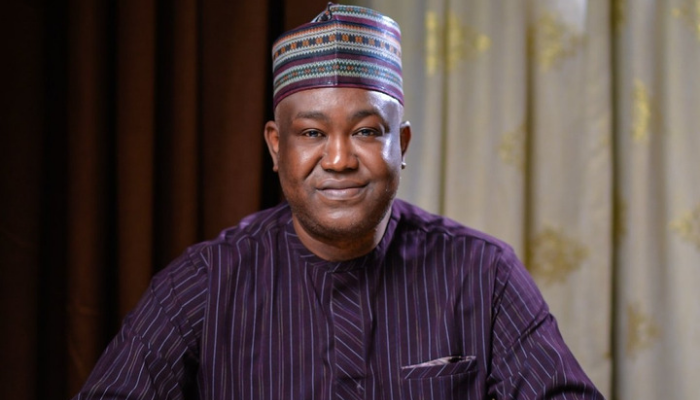
Among the most notable exits is former Minister of Communications and Digital Economy Isa Ali Ibrahim Pantami, who switched allegiance to the Peoples Democratic Party (PDP) after securing the governorship ticket in Gombe State through a voice affirmation primary on May 26. Pantami withdrew from the APC’s governorship race, citing violations of the Electoral Act and concerns over the integrity of the party’s primary process.
As he prepares to face APC candidate Jamilu Gwamna in a closely watched race, Pantami’s resignation marks only the latest in a series of significant departures.
Former Inspector-General of Police Mohammed Abubakar Adamu also left the APC, formally resigning on May 25 after losing in the party’s primary. In his resignation letter, Adamu expressed a loss of confidence in the party’s democratic processes and announced his intention to run for governor under the Social Democratic Party (SDP).
Another former IGP, Usman Baba Alkali from Yobe State, has joined the ranks of those who defected. In Benue State, former Speaker of the State House of Assembly Hyacinth Dajoh made a similar move, aligning with the PDP after withdrawing from the APC primary, which he claimed was marred by manipulation and a lack of transparency.
In a further sign of discontent, Senator Anthony Siyako Yaro has also departed the APC, returning to the PDP after consulting with supporters in Gombe South. Yaro stated that the PDP remained the party committed to the aspirations of his constituency.
While these high-profile exits make headlines, the APC faces the larger challenge of managing discontent among members who remain. Reports suggest many are contemplating their next steps amid frustrations concerning the party’s direction and leadership following the primaries.
The recent primaries also resulted in nearly 60 National Assembly members losing their return bids, including former Deputy Senate President Ovie Omo-Agege, who received just 3,643 votes compared to Senator Ede Dafinone’s 116,252. Other notable losses included Governor Hope Uzodimma and former Ogun State governors Gbenga Daniel and Ibikunle Amosun, who opted out of the primaries.
The turmoil is compounded by the electoral framework established by the lawmakers themselves, many of whom are now facing consequences from the anti-defection clause enacted in March. This clause restricts party switching after the submission of membership registers to the Independent National Electoral Commission (INEC) for the same election cycle, effectively trapping certain members within the APC.
Representative Kolawole Akinlayo criticized the primary process, claiming that results were manipulated, while party insiders indicate ongoing consultations among aggrieved members exploring alternatives for 2027.
In response to the growing unrest, APC officials maintain that the primary results are not yet final. Abimbola Tooki, Special Adviser on Media and Information Strategy to the National Chairman, emphasized that formal declarations of winners will follow the completion of appeal processes. He reminded aggrieved aspirants of their right to seek redress.
As the party leadership navigates appeals and potential internal disputes, the APC is left to contend with the reality of its current crisis, uncertain of how many more prominent members may exit and where they will land in the political landscape.