Yari’s 2031 Declaration: CSOs, lawyers, others reject APC’s claim to perpetual power
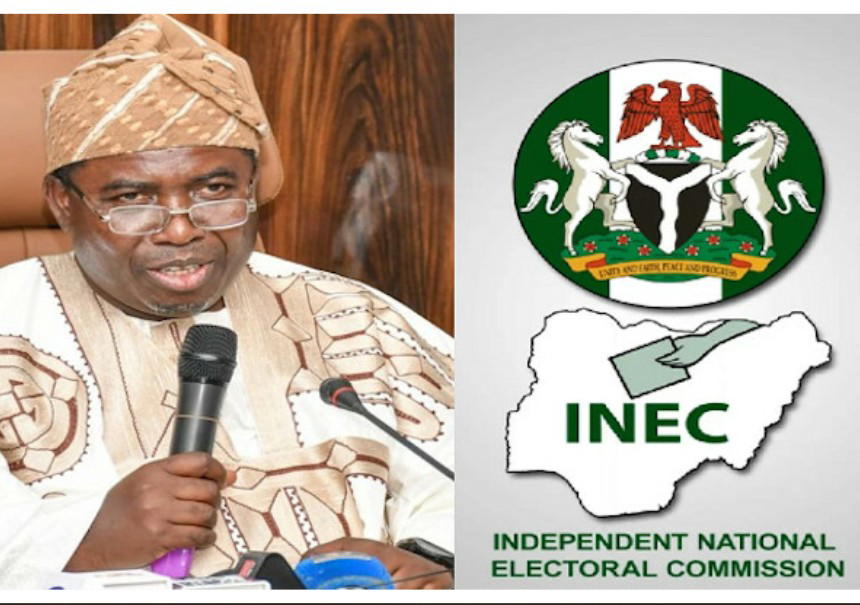
Civil Society Groups, Lawyers Reject APC’s Claim to Continued Rule Beyond 2031
By Gabriel Ewepu, Abuja
Civil society organizations, legal experts, and opposition politicians have refuted claims made by Senator Abdul’Aziz Yari, the Director-General of the All Progressives Congress (APC) Presidential Campaign Council, suggesting that the ruling party is entitled to govern Nigeria beyond 2031. These stakeholders assert that political power is granted by the electorate, not by any political entity.



In a recent statement, Yari declared that the APC would maintain its hold on power for years to come. Critics have responded by warning that such predictions of electoral success could foster an unwarranted sense of entitlement, eroding public confidence in elections and potentially discouraging voter participation.
Auwal Rafsanjani, Executive Director of the Civil Society Legislative Advocacy Centre (CISLAC), characterized Yari’s comments as “an expression of partisan optimism” that disregards the unpredictable nature of electoral outcomes. He emphasized that, in a democratic system, no party possesses a permanent claim to governance.
“In a democracy, no political party has a permanent entitlement to power,” Rafsanjani stated. He insisted that the determination of future leaders rests solely with Nigerian voters, who should engage in credible and fair elections.
He cautioned that such assertions could undermine public trust in the electoral process and labeled it irresponsible to suggest predetermined victories ahead of the upcoming 2027 general elections. Rafsanjani highlighted the significance of the recent Osun State governorship election, which he believes serves as a reminder that voters cannot be taken for granted.
“The Osun election clearly shows that even a party with significant resources can be defeated when voters are determined,” he said. He urged political parties to prioritize addressing pressing issues facing Nigerians, such as insecurity and economic challenges, rather than making declarations about prolonged rule.
Human rights lawyer Idris Faro echoed this sentiment, criticizing Yari’s assertion as a reflection of disrespect towards the electorate’s decisive role. “Electoral victories should be based on the policies and performance of a party, not on mere statements from politicians,” he noted.
Dr. Andrew Mamedu, Country Director for ActionAid Nigeria, remarked that no government or political party can guarantee victory in a future election. He stressed the importance of free and fair elections, urging citizens to exercise their right to vote without feeling intimidated by political proclamations.
Mamedu also suggested that Yari’s remarks might challenge the APC to enhance its performance in governance. He called on the ruling party to focus on improving living conditions for citizens to secure their votes in future elections.
Sonny Adenuga, National Chairman of the Because Of Our Tomorrow (BOOT) Party, cautioned the APC against mistaking its current incumbency for an automatic right to remain in power. He referenced historical instances where ruling parties have lost power despite prior confidence.
In conclusion, Adenuga emphasized the volatile nature of political fortunes, urging the APC to recognize that the future ultimately lies in the hands of Nigerian voters. “No party should see its current dominance as a guarantee of future success,” he warned.
The discussion surrounding Yari’s comments emphasizes the critical need for open dialogue about electoral integrity and the role of the electorate in shaping Nigeria’s political future.