OK Movement crisis deepens as National Head of Operations resigns
By Luminous Jannamike
ABUJA — Hon. Engr. Francis Nnoli has resigned from his position as the National Head of Operations for the OK Movement, citing a widening disconnect between the movement and the Nigeria Democratic Congress (NDC) as a key factor. His resignation comes in the context of the upcoming 2027 general elections.
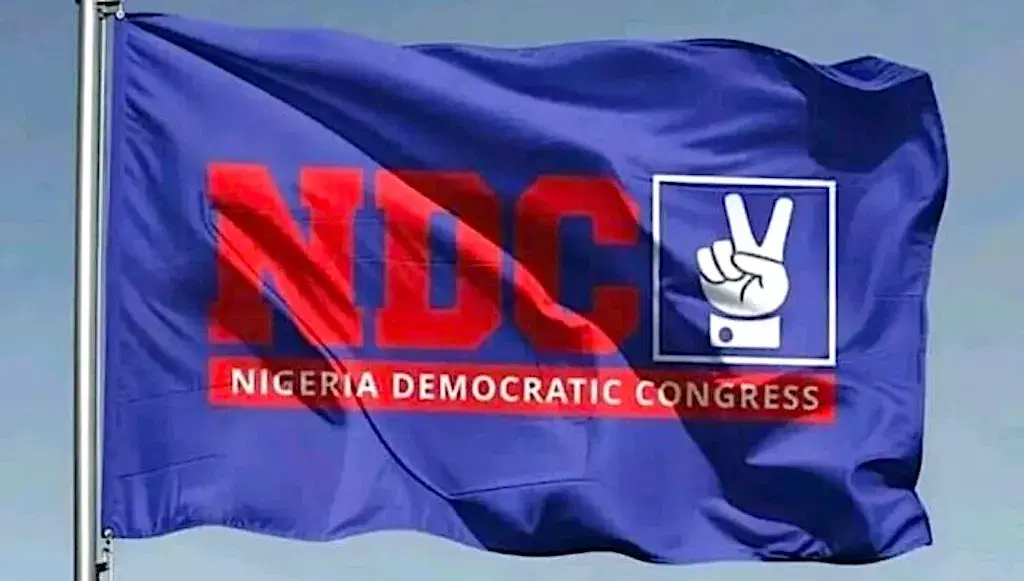
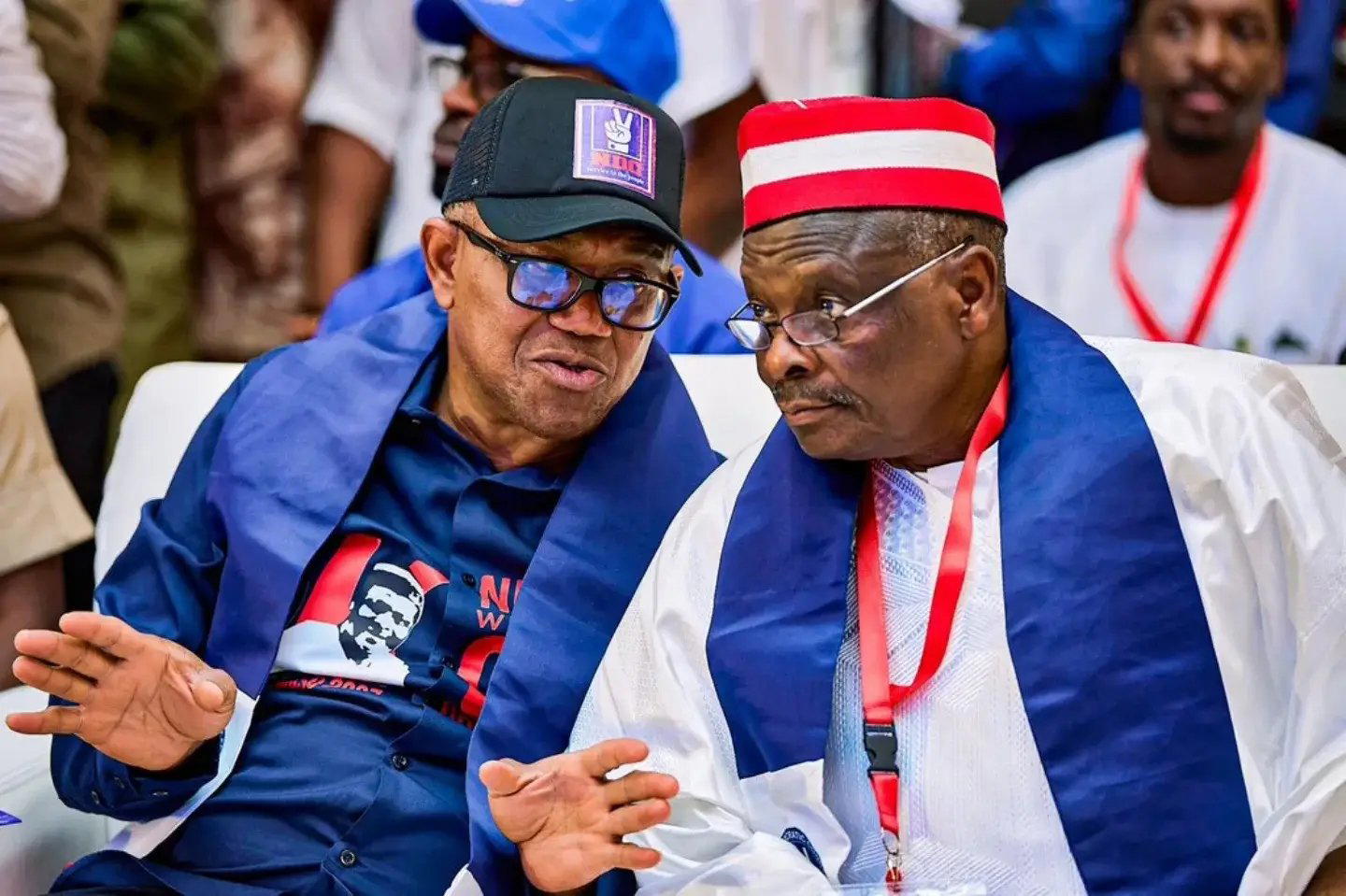
Nnoli’s decision was influenced by internal disagreements regarding the OK Movement’s operational direction—whether to function independently or align formally with the NDC. The NDC is the political platform that candidates Peter Gregory Obi and Senator Rabiu Musa Kwankwaso intend to use for their joint presidential campaign.
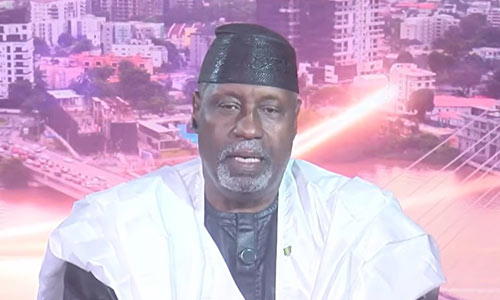
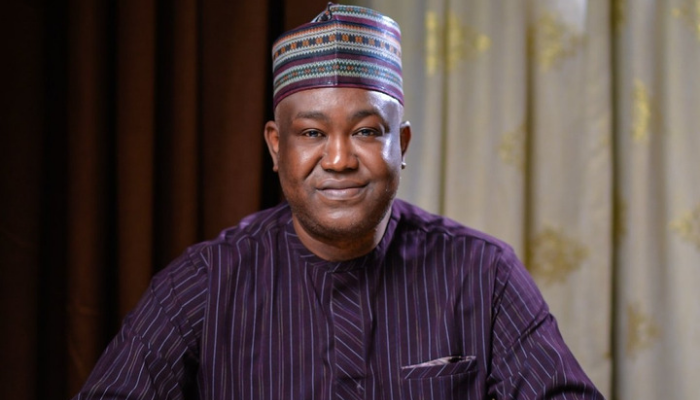
In a statement issued on Sunday, Nnoli emphasized the importance of political discipline, structural clarity, and effective coordination among support groups, candidates, and the party. “Every support structure established around a political ticket must operate with a clear understanding of its relationship with the political party and its candidates,” he stated.
The context of Nnoli’s resignation follows comments from the movement’s Director-General, John Ugulu, who declared that the OK Movement operates independently of the NDC and does not seek the party’s endorsement or directives. This assertion prompted the NDC to distance itself from a Presidential Campaign Council that Ugulu announced, asserting that only the party leadership has the authority to establish such councils.
Nnoli remarked that the existing disagreements necessitated his departure. “Where a movement exists primarily to mobilize support for candidates contesting an election under the platform of a political party, questions of coordination, authorization, communication, and institutional responsibility cannot simply be dismissed,” he said.
Despite his resignation, Nnoli reaffirmed his commitment to the Obi-Kwankwaso project. He urged supporters to avoid creating parallel structures that could lead to confusion. “The 2027 election will require more than slogans and organizational titles. It will require coordination, credibility, discipline, and a clear understanding of how political movements and political parties must work together,” he added.