NIGERIA @ 66: Focus On Judiciary – Disgraceful conflicting judgements that taint courts reputation

By Henry Ojelu, Assistant Judicial Editor
When courts issue conflicting orders regarding the same legal issue, the implications extend beyond mere confusion. Litigants, legal practitioners, law enforcement agencies, and the public face significant uncertainty about which directive to follow, potentially leading to protracted legal battles and, in politically sensitive cases, the risk of escalating tensions.
This situation has become increasingly prominent within Nigeria’s judiciary, with recent examples including the Kano Emirate crisis, political disputes in Rivers State, and various Supreme Court rulings.
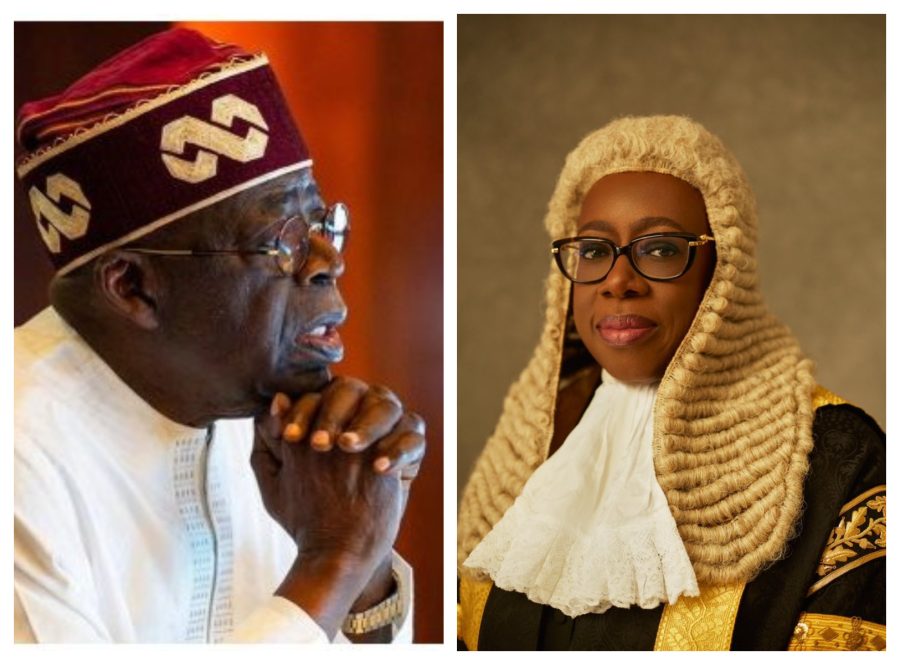
In May 2024, the National Judicial Council (NJC) convened an emergency meeting with Justice John Tsoho, Chief Judge of the Federal High Court, and Justice Dije Aboki, Chief Judge of Kano State High Court, following troubling reports of conflicting judgments in the Kano chieftaincy dispute. The NJC expressed alarm at the problem, referring to the conflicting rulings as “very disturbing.”
The Kano case illustrates the complications that can arise. On May 23, 2024, Justice A.M. Liman of the Federal High Court in Kano issued an ex-parte order to suspend the implementation of the Kano State Emirate Council (Repeal) Law of 2024. Shortly thereafter, Justice Amina Adamu Aliyu of the Kano State High Court ordered security agencies to refrain from removing Muhammadu Sanusi II from the palace and barred Aminu Ado Bayero from presenting himself as Emir. Just days later, on May 28, Justice S.A. Amobeda of the Federal High Court directed law enforcement to ensure Bayero’s rights and privileges as Emir while ordering Sanusi to vacate the Gidan Rumfa palace. The conflicting orders left security agencies in a precarious position regarding which command to enforce.
The NJC’s intervention underscores that conflicting court orders are not merely a legal technicality; they become a broader institutional issue when government agencies navigate incompatible directives.
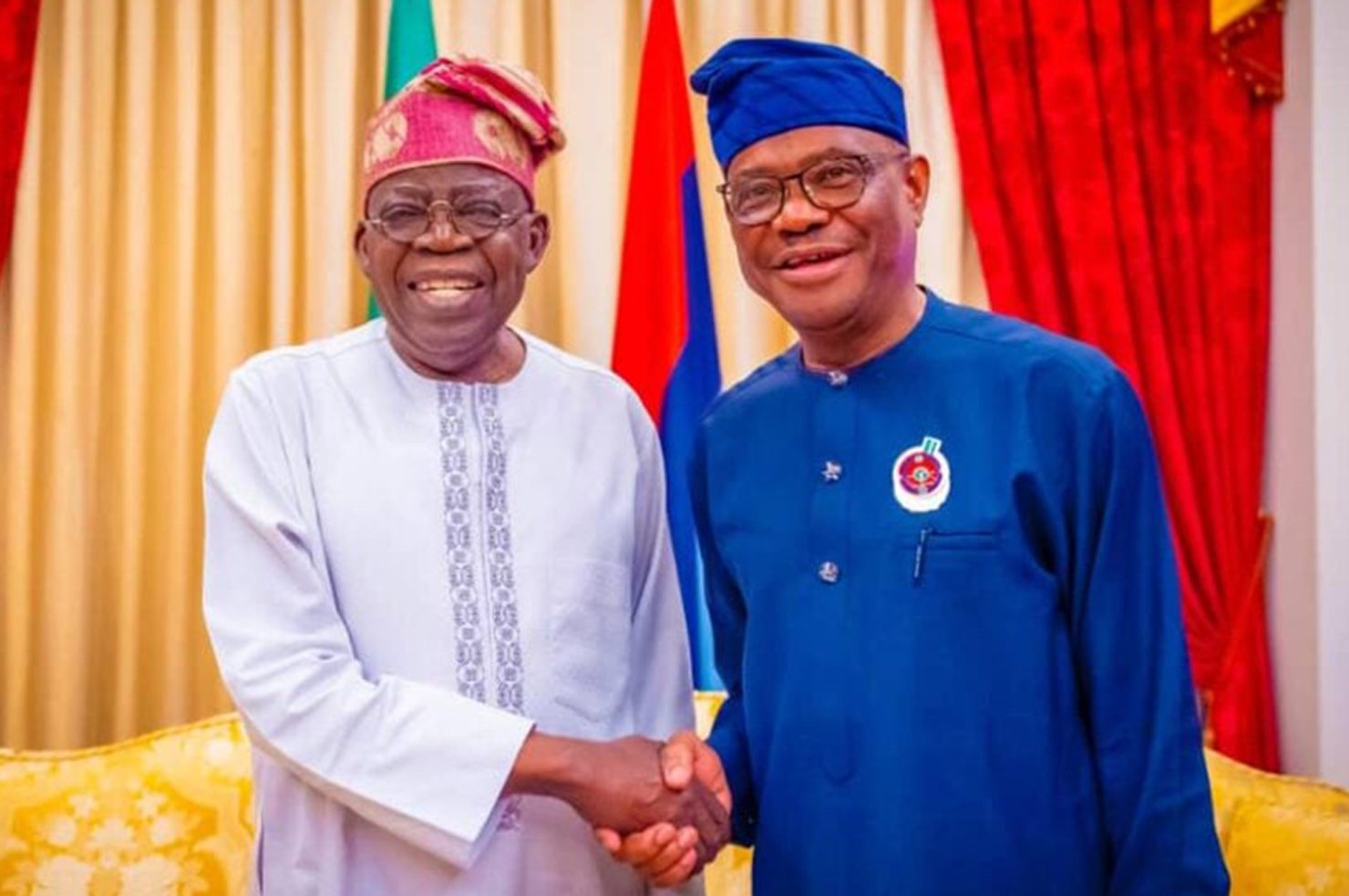
The political turmoil in Rivers State provided another prominent example. On September 30, 2024, the Rivers State High Court in Port Harcourt ordered the Rivers State Independent Electoral Commission to proceed with local government elections scheduled for October 5. The ruling, delivered by Justice I.P. Igwe, directed the commission to utilize the 2023 voters’ register and called on law enforcement to ensure security during the elections. Concurrently, conflicting legal proceedings in the Federal High Court in Abuja arose, deepening an ongoing confrontation between Governor Siminalayi Fubara and his predecessor, Nyesom Wike.
This scenario highlights another layer of the issue, where courts of coordinate jurisdiction are leveraged to secure orders in politically significant disputes.
Concerns regarding conflicting judicial decisions extend beyond trial courts. At the opening of the 2025/2026 legal year, the Body of Senior Advocates of Nigeria (BOSAN) addressed the Supreme Court regarding persistent discrepancies in judiciary rulings. BOSAN has tracked the issue since 2012 and raised alarms about inconsistent rulings stemming from both the Court of Appeal and the Supreme Court.
BOSAN specifically referenced cases such as Okafor v Nweke and FBN v Maiwada, which established significant legal principles regarding court processes. Further, it highlighted recent rulings in Olowe v Aluko and Menakaya v Ezim, indicating a fluctuating interpretation of established precedents. Thereby, BOSAN urged the Chief Justice of Nigeria to facilitate discussions among justices of both the Supreme Court and Court of Appeal and leading members of the Bar to address conflicting decisions and implement a comprehensive review.
The significance of these discussions hinges on the doctrine of stare decisis, or judicial precedent, which aims to ensure consistent treatment of similar legal questions. Justice Musa Dattijo Muhammad previously articulated in State v Gbahabo that this doctrine serves to promote “certainty and discipline in the adjudication process.”
It is crucial to acknowledge the distinction between differing judgments and those that conflict. While varying outcomes may arise from different facts or applicable laws, conflicting judgments on substantially similar legal questions undermine the integrity of the judicial system.
For the judiciary, the crucial issue is not merely the frequency of rulings but whether these judgments yield clarity, consistency, and finality. Ideally, a court judgment resolves a dispute; however, competing orders or inconsistent rulings can complicate the legal landscape and provoke public discourse beyond the courtroom.
As Nigeria prepares to celebrate another independence anniversary, the problem of conflicting court judgments continues to warrant serious attention. The credibility of the judiciary relies not only on its constitutional authority to decide matters but also on the public’s understanding of the law and the assurance that similar cases will adhere to established principles.