Who won Lagos in 2023?
Peter Obi Defeats Bola Tinubu in Lagos State Presidential Election
By Sekinat Osundiji
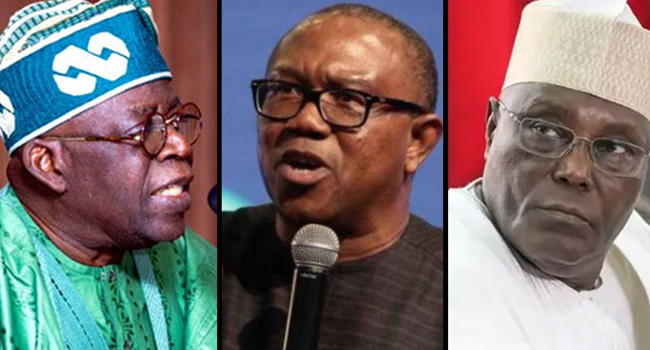
In a notable upset during Nigeria’s February 25, 2023, presidential election, Peter Obi of the Labour Party (LP) emerged victorious over Bola Tinubu of the All Progressives Congress (APC) in Lagos State. The results marked a significant departure from political expectations in Tinubu’s traditional stronghold.
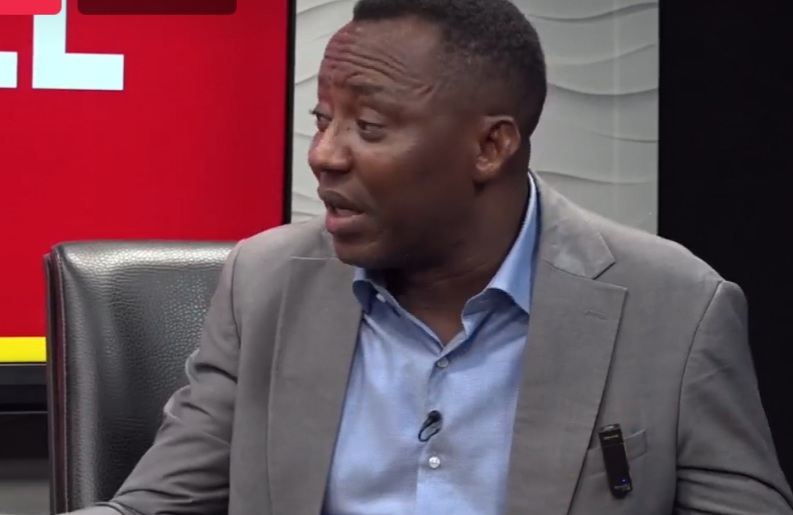

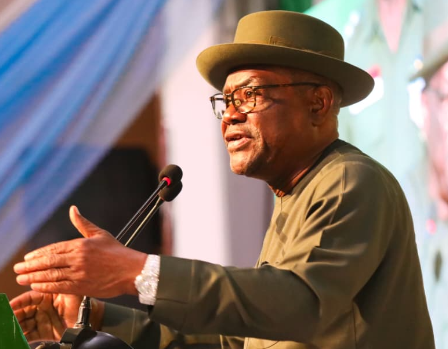
According to the Independent National Electoral Commission (INEC), Obi secured 582,454 votes compared to Tinubu’s 572,606. Atiku Abubakar of the Peoples Democratic Party (PDP) finished third with 75,750 votes, while Rabiu Kwankwaso of the New Nigeria Peoples Party (NNPP) garnered 8,442 votes. Obi’s victory margin in Lagos was 9,848 votes, making it one of the most surprising outcomes of the election.
Although Tinubu served as governor of Lagos from 1999 to 2007 and has retained considerable influence in the state, this election demonstrated that his longtime political ties did not guarantee electoral success.
How Obi Secured His Victory
The election results revealed that Obi won in nine of Lagos’s 20 local government areas, while Tinubu claimed the remaining 11. The Labour Party candidate excelled in districts including Alimosho, Ojo, and Oshodi-Isolo.
In Alimosho, the most populous local government area, Obi received 71,327 votes, outpacing Tinubu, who received 62,283. In Amuwo-Odofin, Obi tallied 55,547 votes compared to Tinubu’s 13,318, and he also triumphed in Oshodi-Isolo with 51,020 votes against the APC candidate’s 27,181.
Conversely, Tinubu found support in areas such as Agege, Apapa, and Badagry, yet despite winning more local government areas overall, he fell short in total votes.
Obi’s performance indicated a shift in voter sentiment, particularly among those seeking alternatives to Nigeria’s dominant political parties, and highlighted a significant appeal among younger constituents advocating for change.
Election Day Challenges
The election day was marked by incidents of violence and intimidation at various polling locations. The Nigeria Civil Society Situation Room, which monitored the elections, reported an increase in election-related violence in Lagos, stating that reported incidents exceeded prior thresholds.
In specific incidents, a confrontation over a voided ballot at Bishop Oluwole Memorial Primary School escalated into a physical altercation. Reports also surfaced of thugs attacking voters at Polling Unit 069 in Amuwo-Odofin, damaging vehicles and obstructing access to polling stations.
Journalists covering the election faced violence as well; an ARISE TV crew was attacked in Lagos, resulting in injuries to a cameraman and the seizure of equipment.
Concerns were also raised about the electronic transmission of results, with INEC acknowledging glitches affecting its Result Viewing Portal (IReV). Although the commission asserted that these technical issues did not compromise the integrity of the election, they did intensify public anxieties regarding transparency.
Conclusion: A Shift in Political Dynamics
Peter Obi’s victory in Lagos reflects a pivotal shift in political dynamics, suggesting that Bola Tinubu’s once-dominant influence in the region could be waning. With a final tally of 582,454 votes to Tinubu’s 572,606, Obi’s success highlights a broader desire for new political leadership in Nigeria.
This election result stands as a defining moment in Nigeria’s 2023 presidential race, underscoring a significant choice by voters in a state historically linked to Tinubu’s political legacy.