Deputy Senate President faults Osinbajo over alleged comments on gloomy economy, democracy
Senator Barau Jibrin Responds to Osinbajo’s Economic Concerns
By Henry Umoru
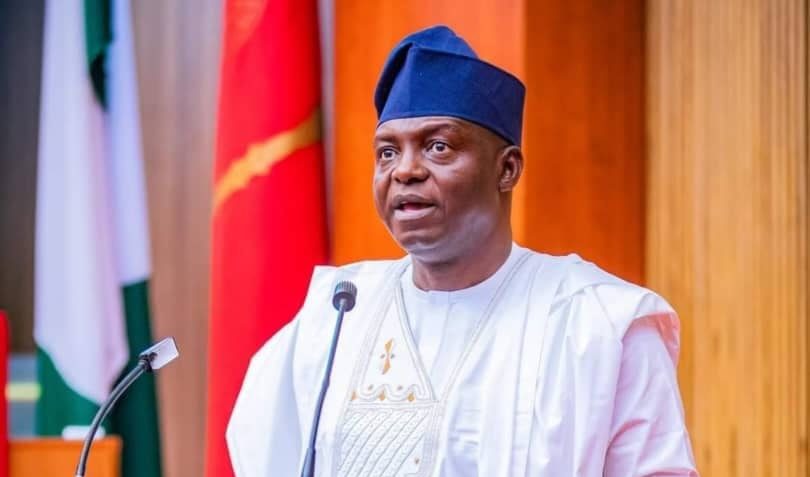
ABUJA — Deputy President of the Senate, Senator Barau Jibrin, representing Kano North for the All Progressives Congress (APC), has criticized former Vice President Yemi Osinbajo for his recent remarks regarding Nigeria’s economic and democratic challenges.
Speaking at a public lecture in Yola, Adamawa State, commemorating the 59th birthday of Governor Ahmadu Fintiri, Senator Jibrin asserted that the administration of President Bola Tinubu is actively addressing longstanding issues facing the country.
While acknowledging the validity of Osinbajo’s claims, particularly those drawn from Afrobarometer surveys on public sentiment toward democracy and governance in Africa, Jibrin emphasized the need for improved communication between the government and the populace to ensure awareness of ongoing efforts to combat these challenges.
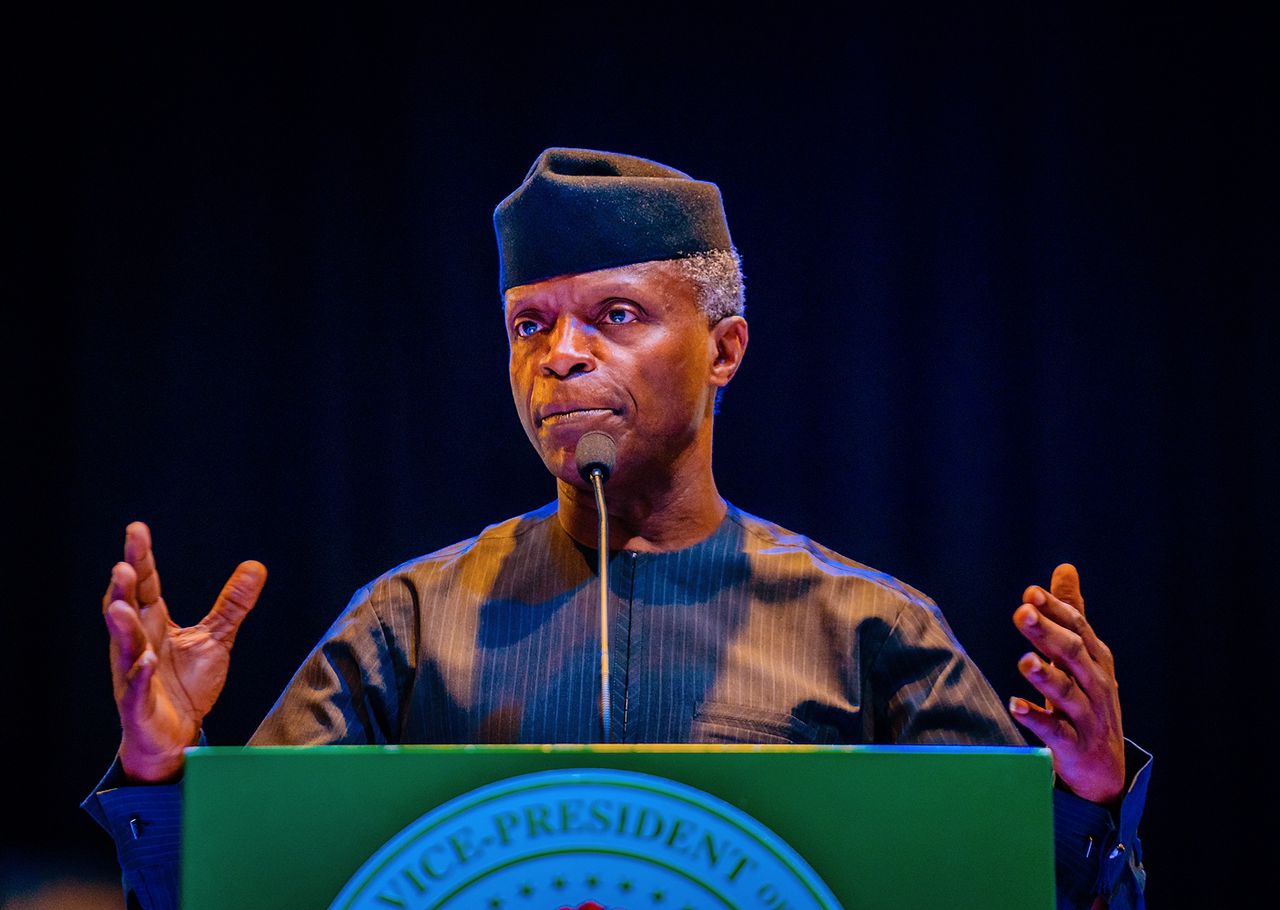
Osinbajo, who served from 2015 to 2023 under former President Muhammadu Buhari, had raised concerns during his lecture about the shortcomings in democratic governance across Africa, even after years of relative political stability. In his analysis, he reported significant public dissatisfaction with democratic institutions, economic hardships, declining trust in government, and reduced youth engagement in electoral processes.
In his lecture, Osinbajo highlighted that while 64 percent of Africans favor democracy, only 38 percent are satisfied with its implementation in their countries. He pointed out that 59 percent view their national economies negatively, and 51 percent feel economic conditions have worsened.
Addressing the same lecture, Jibrin described Osinbajo’s analysis as thought-provoking and intellectually rigorous. However, he argued that the issues identified were being actively addressed and that gaps in public perception often stem from inadequate government communication.
“I believe that the gloomy picture portrayed by the Afrobarometer surveys reflects a communication gap between leaders and the citizens,” Jibrin stated. He maintained that various levels of government are committed to overcoming obstacles in education, infrastructure, and economic development.
On education, Jibrin noted ongoing efforts to enhance access to schooling, particularly for children from disadvantaged backgrounds. He referenced recent initiatives like the NELFUND, which aims to provide educational opportunities for all eligible Nigerian children.
Infrastructure development also featured prominently in his remarks, with Jibrin citing significant road projects such as the Lagos-Calabar coastal highway and ongoing works in different regions as indicators of governmental progress in addressing infrastructures deficits essential for economic growth.
Discussing the rising cost of living, Jibrin reiterated that many of these challenges are rooted in global economic pressures. He identified external factors, including international conflicts and supply chain disruptions, as contributing to the increased costs in Nigeria. He specifically mentioned the war in Ukraine and tensions in the Middle East as key drivers of rising energy prices and production costs.
“The challenges we face are not unique to Nigeria; they reflect broader international issues,” he explained. “Conflicts have disrupted global supply chains and influenced market dynamics, leading to increased costs of goods and services worldwide.”
Jibrin called for ongoing public engagement to ensure that citizens are well-informed about government policies and interventions aimed at improving Nigeria’s economic situation and promoting democratic governance.