US Midterms: Implications of democrats’ victory
Democrats Claim Control of Congress Following Midterm Elections
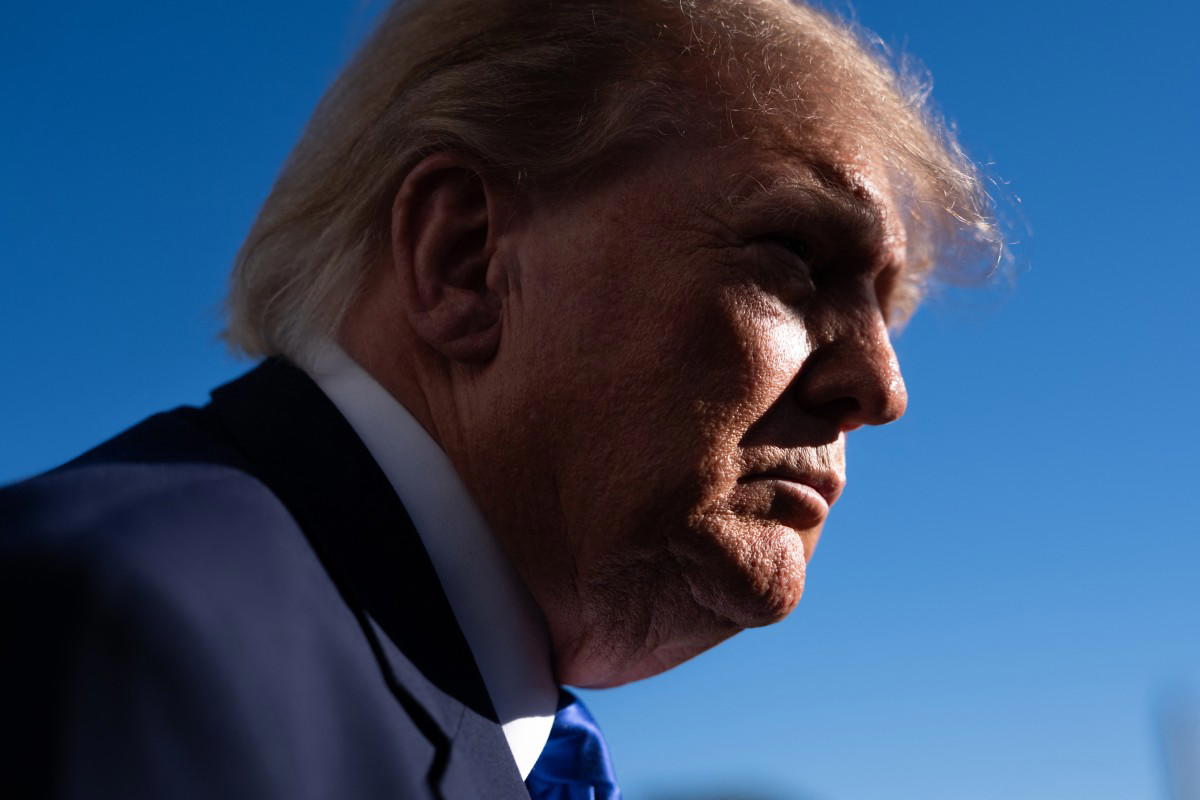
In the wake of the midterm elections, President Donald Trump acknowledged the significant impact of the United States’ military actions against Iran and the resulting surge in gasoline prices on Republican losses. However, he asserted that the actions were warranted and denied any responsibility for the election outcome.
The Democrats secured control of both the U.S. Senate and the House of Representatives, marking a pivotal shift in the political landscape as they obtained 54 Senate seats and 234 House seats, according to current tallies.

Historic Wins for Democrats
This election cycle also saw notable historic achievements for the Democratic Party. They successfully flipped at least seven Senate seats in traditionally Republican states and competitive battleground states such as Kansas, which has not elected a Democratic senator in nearly a century, as well as Iowa, Texas, Ohio, Maine, North Carolina, and South Carolina. Additionally, they retained critical seats in Georgia and Michigan.
In the House, Democrats are projected to begin the new year with their largest majority in nearly two decades, having flipped more than two dozen districts, many of which supported Trump by significant margins in 2024.
In gubernatorial races, Democrats reclaimed several offices previously held by Republicans, including those of Keisha Lance Bottoms in Georgia, Amy Acton in Ohio, Rob Sand in Iowa, Gina Hinojosa in Texas, and Aaron Ford in Nevada.
Among the notable historic firsts: David Crowley has become the first Black governor in U.S. history; Abdul El-Sayed is the first Muslim elected to the U.S. Senate; James Talarico is the first Democrat elected in Texas since 1988; Xavier Becerra is the first Latino governor in California’s history; Gina Hinojosa is the first Latina governor in Texas; and Deb Haaland is the first Native American woman elected as governor in U.S. history.
Trump Willing to Collaborate with Democrats
In response to the election results, Trump expressed a willingness to cooperate with Democrats. Speaking to The New York Times shortly before results were fully tallied, he stated, “We’ll probably work something out.” Trump noted that Democrats had reached out regarding potential collaboration, particularly on issues like the debt ceiling, while emphasizing his power to veto legislation.
He further illustrated his governing approach by posting an image of his signature red cap bearing the word “veto,” suggesting his intent to challenge the incoming Democratic legislative agenda.
Iran Conflict Blamed for Election Outcomes
Trump attributed the election results, in part, to the ongoing conflict with Iran, stating, “We actually have the greatest economy, but because of the gasoline price, people don’t see it as much as they would have without it.” In interviews, he acknowledged that while generally supported actions in Iran, voters may have been averse to the immediate economic repercussions impacting fuel costs.
In an interview with The Wall Street Journal, Trump reiterated his belief that the military action against Iran was justified and expressed no regrets.
Vice President Vance’s Contrasting Viewpoint
Vice President JD Vance, a potential 2028 presidential candidate aligned with Trump’s policies, presented a differing perspective on the election’s failures, attributing the losses to the war. “Everyone knows why we lost. And any honest conversation about where we go from here must start there,” he stated.
Republican strategist James Davis echoed sentiments that the war influenced voter sentiment. “The war was definitely part of it and has helped shift the electorate toward Democrats,” he said, also citing broader economic concerns.
Democratic Strategy Moving Forward
Senate Democratic Leader Chuck Schumer has articulated a firm intention to leverage the party’s control and utilize their budgetary powers to conclude the conflict in Iran. “The American people don’t know the heck we are fighting for in Iran,” Schumer declared, emphasizing the importance of transparency and accountability in foreign engagement.
Schumer acknowledged the historical nature of the Democrats’ majority but noted that the party must address public concerns regarding economic issues and corruption.
Implications for Trump’s Final Two Years
As the landscape shifts, Trump may face heightened scrutiny and potential impeachment, given the House’s authority to initiate such proceedings. The Republican Party now faces critical discussions about its future direction, while Democrats must consider effective strategies to build on their successes.
Ongoing Senate and House investigations may seek to uncover alleged conflicts of interest involving Trump and his associates, and the Senate retains the power to confirm or block presidential nominations.
Future of U.S. Foreign Policy
Despite the electoral outcomes, Trump remains in office until 2028, and presidents often become more active in foreign policy after midterm setbacks. With the political constraints of the election season now lifted, Trump may adopt a more aggressive stance in international affairs, as seen in previous administrations.
As the focus shifts beyond domestic politics, the administration faces the challenge of how to navigate its objectives on the global stage while addressing rising domestic concerns amid a changing political landscape.