Makinde flags off 2027 presidential campaign in Bauchi, tackles APC over opposition
By Christopher Ameh, Bauchi
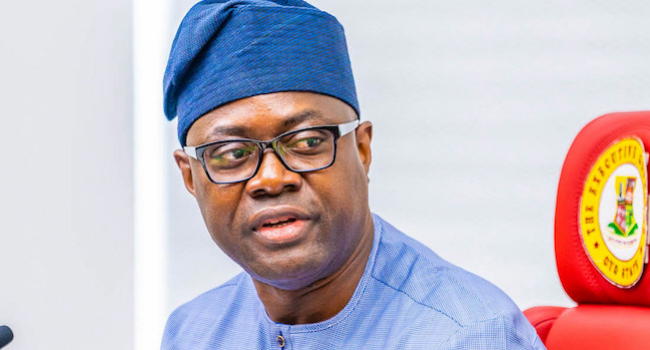
Oyo State Governor Seyi Makinde, the presidential candidate for the Allied Peoples Movement (APM), has accused the ruling All Progressives Congress (APC) of efforts aimed at undermining opposition parties and steering Nigeria toward a one-party political system.
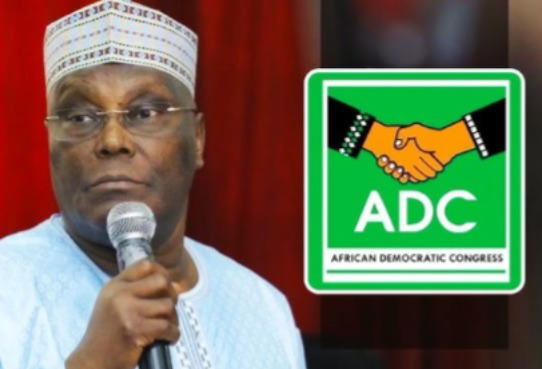
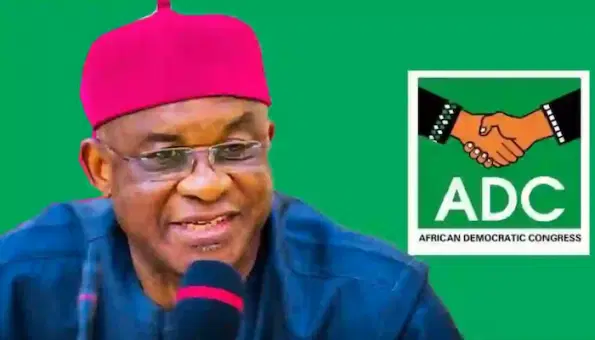
In a live interview on the Bauchi Radio Corporation (BRC) on Friday, Makinde criticized a recent Federal High Court ruling concerning the African Democratic Congress (ADC) and its presidential candidate, Atiku Abubakar, calling it a troubling development for democratic governance.
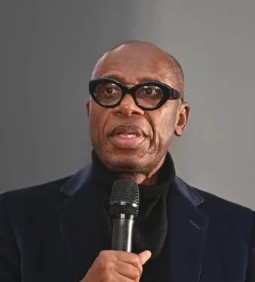

Makinde, who was in Bauchi to launch his 2027 presidential campaign, urged President Bola Tinubu and the APC to permit opposition parties to operate without hindrance, emphasizing that Nigeria’s democracy should not be confined to a single party.
“There is no way Nigeria can be a one-party state; the APC must understand that. President Bola Ahmed Tinubu and the APC should allow opposition voices to be heard,” he stated.
The governor also expressed concerns regarding the economic policies of the Tinubu administration, asserting that significant reforms have been introduced without sufficient planning or a clear implementation strategy, which has exacerbated the economic hardships faced by Nigerians.
In addition to economic issues, Makinde pointed to ongoing insecurity challenges in the country. He warned that the dual threats of economic instability and insecurity demand comprehensive structural reforms and decisive political action.
As part of his campaign, Makinde highlighted the APM’s “Reset Nigeria Agenda,” which is designed to offer an alternative solution to the nation’s challenges. This agenda aims to reform vital economic sectors, promote sustainable development, and restore true federalism that respects Nigeria’s diverse nationalities.
He reiterated the importance of leveraging Nigeria’s diversity as a source of national strength and unity, rather than allowing it to contribute to divisions.
Makinde concluded that his proposed reforms would reposition the nation for sustainable economic growth, enhance national unity, and tackle the issues that threaten democratic governance.