LIVESTOCK ECONOMY: Importation extends dominance, rises 14.5% to N1.7trn
Livestock Importation in Nigeria Rises 14.5% to N1.71 Trillion
By Gabriel Ewepu
Amid ongoing efforts to diversify Nigeria’s economy, stakeholders indicate that the dominance of imported livestock products continues to increase. According to findings by the Financial Vanguard, the National Bureau of Statistics (NBS) reported that imports of livestock and related products reached N1.71 trillion in 2025, a 14.5% increase from N1.49 trillion in 2024.



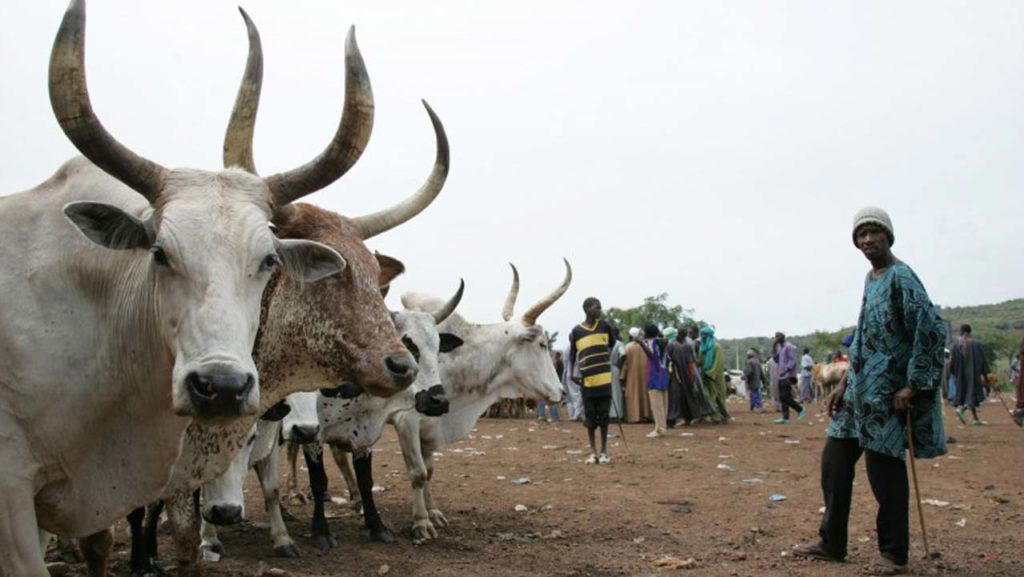
Industry experts note that Nigeria is grappling with a significant dairy gap, necessitating imports to meet domestic demand. The country currently has an estimated 273 million livestock, including 138.95 million goats, 64.93 million sheep, and 54.81 million cattle. Poultry is estimated at 250 million birds.
Dairy Gap Fuels Import Surge
Further investigation reveals that the dairy subsector is particularly weak. The Ministry of Livestock Development confirms that Nigeria spends over $1.5 billion annually on dairy imports. According to the Food and Agriculture Organization (FAO), approximately 60% of the dairy products consumed in Nigeria are imported. Domestic production, which sits around 0.5 million tonnes, falls significantly short of the estimated annual demand of 1.3 million tonnes. The FAO notes that Nigeria’s average milk yield per cow is about 213 litres per year, less than one-tenth of the global average.
Economic Contribution Masks Underlying Issues
Despite the increase in imports, the livestock sector remains a vital component of Nigeria’s economy. The NBS reported that the sector contributed N11.9 trillion, or 5.6%, to the nation’s Gross Domestic Product (GDP) in 2024, with expectations of further growth in the upcoming year. However, experts caution that this contribution does not necessarily reflect competitiveness on a global scale. For instance, Brazil’s livestock sector, which supports over 238 million cattle, contributed approximately $185.7 billion to its GDP in 2024.
Stakeholders attribute Nigeria’s reliance on imported livestock products to deep-rooted structural challenges, including cultural practices, low productivity levels, insecurity, and inconsistent policies. Traditional nomadic grazing practices, prevalent among Fulani herders, impede the transition to more efficient ranching systems.
Call for Government Investment
Eager to address the issues plaguing the sector, Kabir Ibrahim, President of the Nigeria Agribusiness Group (NABG), emphasized the need for substantial government investment in ranching, improved breed development, and enhanced feedstock. He pointed out that the purchasing power of Nigerians is a critical challenge affecting the livestock industry.
“The high cost of animal feed impedes productivity,” Ibrahim noted, stating that without improving these conditions, the sector could face continued stagnation.
Addressing Policy Inconsistencies
Dr. Salim Umar, President-General of the Fulbe Global Development and Rights Initiative (FGDRI), highlighted the need for coherent policies to support the livestock sector. He urged the government to recognize livestock as a vital economic asset rather than a mere security concern, advocating for evidence-based policymaking and enhanced financing mechanisms.
Umar expressed optimism that addressing these challenges could transform the livestock sector into a significant source of revenue and employment if properly managed.
Focus on Sustainable Practices
Dr. Gani Enahoro, a member of the Veterinary Council of Nigeria and Senior Animal Health Specialist at the FAO, argued that sustainable progress in the livestock industry requires inclusive and corruption-free policies. He cited the successful livestock reforms in Sudan as a model.
Dr. Terese Shadrach Akpem, founder of Vet Konect, pointed out several pressing threats to the industry, including inadequate veterinary infrastructure and weak disease surveillance. She recommended strengthening veterinary systems and empowering youth and women to enhance productivity and resilience in the sector.
As Nigeria navigates its livestock challenges, increasing government interest in the sector may offer opportunities for reform and growth.