ECONOMIC REFORMS: Manufacturers’ alternative energy expenditure surges 71.4% to N1.34trn in two years

Manufacturers’ Alternative Energy Expenditure Surges in Nigeria
By Yinka Kolawole
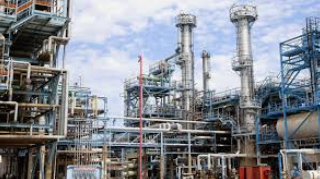
Manufacturers in Nigeria allocated an estimated N1.34 trillion to alternative energy sources in 2025. This figure marks a significant 71.4% increase from N781.68 billion in 2023, as companies navigated rising production costs resulting from ongoing economic reforms.
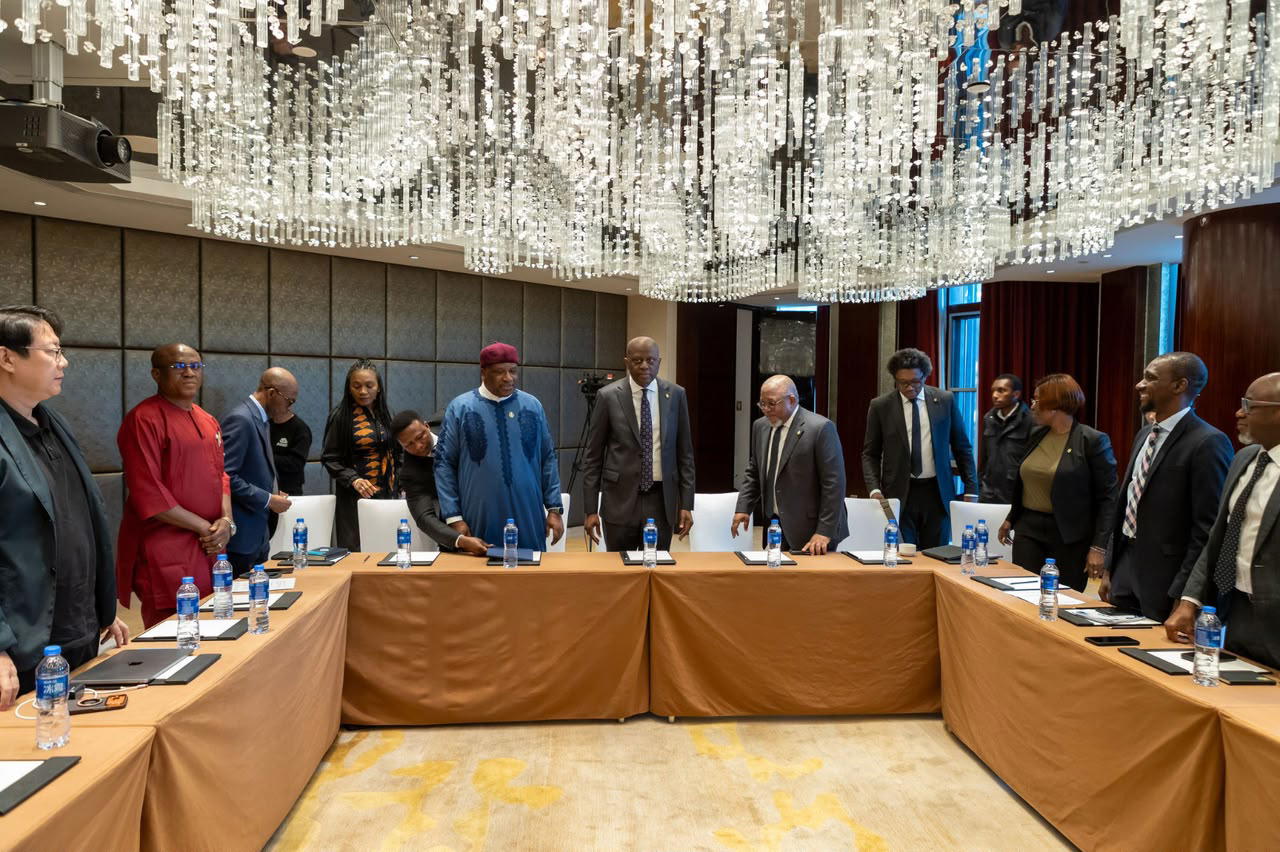

The Manufacturers Association of Nigeria (MAN) highlighted these figures in an assessment of the Federal Government’s economic policies over the past three years, which it characterized as a challenging but vital economic transition.
Mr. Segun Ajayi-Kadir, the association’s Director-General, emphasized the necessity of these reforms to address long-standing structural issues and to reposition the economy for sustainable growth. However, he noted that manufacturers are bearing an unequal share of the costs associated with these changes.
“The removal of the fuel subsidy in May 2023 resulted in logistics and distribution costs soaring by over 300% within a matter of weeks,” Ajayi-Kadir stated.
He further explained that manufacturers faced additional pressure due to increased electricity tariffs for Band A consumers, which rose from approximately N68 per kilowatt-hour to between N209 and N225. Despite these increases, electricity supply remained inconsistent due to frequent grid failures, prompting manufacturers to depend more on alternative energy sources, including diesel, gas, and premium motor spirit.
According to MAN, spending on alternative energy escalated from N781.68 billion in 2023 to N1.11 trillion in 2024, and then to N1.34 trillion in 2025. The rising costs of energy have diminished industrial competitiveness and contributed to a decline in manufacturing capacity utilization, which dropped from 61.3% in the first half of 2025 to 57.7% in the latter half of the year.
The challenging operating environment also led to notable job losses, with over 18,900 jobs impacted during this period.
MAN expressed concerns regarding the stringent monetary policy climate, citing that consistent increases in the Monetary Policy Rate and the reduction of intervention financing programs had driven borrowing costs to unsustainable levels. “As of March 2026, prime lending rates averaged 24.4%, while some banks charged maximum lending rates as high as 33.8%. This scenario complicates long-term industrial investment,” Ajayi-Kadir said.
Despite these challenges, MAN acknowledged recent policy initiatives, including the Naira-for-Crude program, tax incentives for manufacturers under the 2025 Tax Reform Act, the Nigeria Industrial Policy, and the Nigeria First local content framework. The association noted that these measures could promote industrial growth if implemented effectively.
MAN stressed that for Nigeria to achieve sustainable economic prosperity, establishing a robust manufacturing sector is critical. The association urged the government to prioritize access to affordable foreign exchange, concessionary financing, reliable electricity supply, and stable trade policies to unlock the sector’s full potential.