FG unveils plans to revive textile sector, targets 1.5m jobs
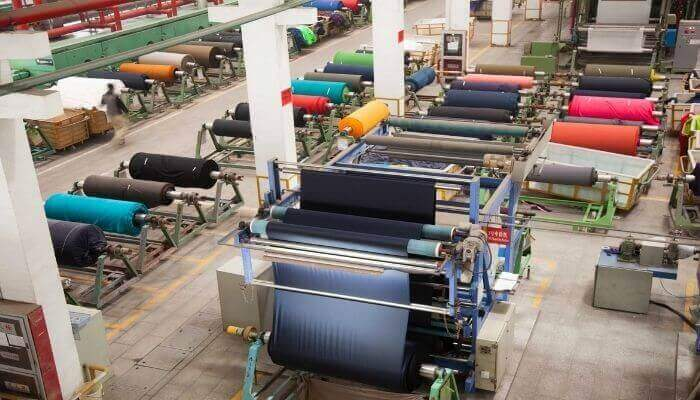
Nigerian Government Seeks to Revive Crumbling Textile Industry Amid 95% Cotton Production Decline
By Yinka Kolawole
LAGOS — The Federal Government of Nigeria has launched an initiative aimed at revitalizing the Cotton, Textile, and Garment (CTG) industry, which has experienced a staggering 95% decline in cotton production over the past two decades. Production has dropped from approximately 200,000 metric tonnes in 2001 to an estimated 10,000 metric tonnes in 2025.



Senator John Enoh, the Minister of State for Industry, made the announcement during the National CTG Value Chain Activation Pilot Milestone Event. The government aims to re-establish the textile sector as a critical contributor to industrialization and job creation, projecting that the revival could create about 1.5 million jobs.
Enoh described the dramatic fall in cotton output as a setback for Nigeria’s industrial backbone. He emphasized that years of neglect, inadequate coordination, and reliance on imported materials have severely impacted the once-thriving sector.
Despite these challenges, Enoh expressed confidence that recent reforms and pilot projects will restore trust in the industry and establish a robust cotton-to-garment production system capable of competing on a global scale.
The minister highlighted that the pilot scheme has successfully demonstrated the potential for producing cotton, processing it, and manufacturing finished garments within six to seven months. He reported the successful creation of 10,000 locally produced T-shirts, showcasing Nigeria’s ability to manufacture competitively without sacrificing quality or standards.
“This initiative shows that Nigeria can produce garments of better quality, pricing, and larger quantities than imported alternatives,” Enoh stated. He noted that the government is moving from policy discussions to concrete actions aimed at rejuvenating local industries and reducing dependency on imported textiles.
“The results we have presented today are not just theoretical concepts; they are evidence of what can and is happening,” he said.
Enoh reiterated that the CTG sector is pivotal to Nigeria’s Industrial Policy, which was enacted earlier this year. He stressed that revitalizing the textile industry would stimulate manufacturing, reinforce local supply chains, and expand employment prospects.
The pilot project, he added, has revealed significant weaknesses within the value chain, particularly a lack of cohesion among cotton farmers, textile manufacturers, and garment producers. Previous efforts failed because they targeted isolated segments of the industry instead of fostering an integrated production ecosystem.
“The issue extends beyond funding or infrastructure,” Enoh said. “The real challenge is that the value chain was not designed to operate as a cohesive system.”
The government plans to enhance the initiative by strengthening market connections, improving financial frameworks, and providing support to smallholder cotton farmers nationwide. Enoh mentioned that the Bank of Agriculture has expressed readiness to finance cotton production, particularly for smallholder operations.
Chris Osa Isokpunwu, Permanent Secretary at the Federal Ministry of Industry, Trade, and Investment, characterized the initiative as a strategic intervention intended to rejuvenate the textile sector, promote economic diversification, and generate large-scale employment opportunities. He noted that the CTG sector has the potential to create over 1.5 million jobs annually, especially for women and youth, thereby enhancing Nigeria’s competitiveness under the African Continental Free Trade Area (AfCFTA).