Ibadan Summit: ‘Operation Wetie’ started in Ibadan – Makinde warns
By Adeola Badru
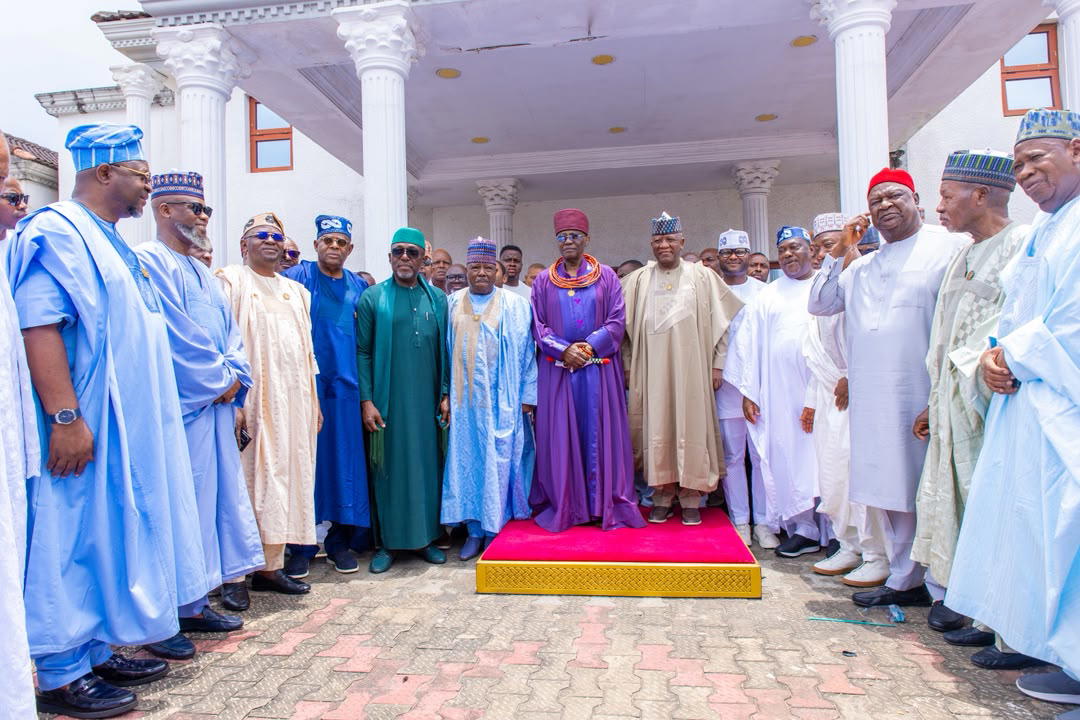
Governor Seyi Makinde of Oyo State underscored the dangers of one-party domination during his address at a national summit of All Opposition Political Party Leaders in Ibadan. Makinde drew parallels to the “Operation Wetie” violence that swept through the South-West in the mid-1960s, cautioning that history should not be ignored.
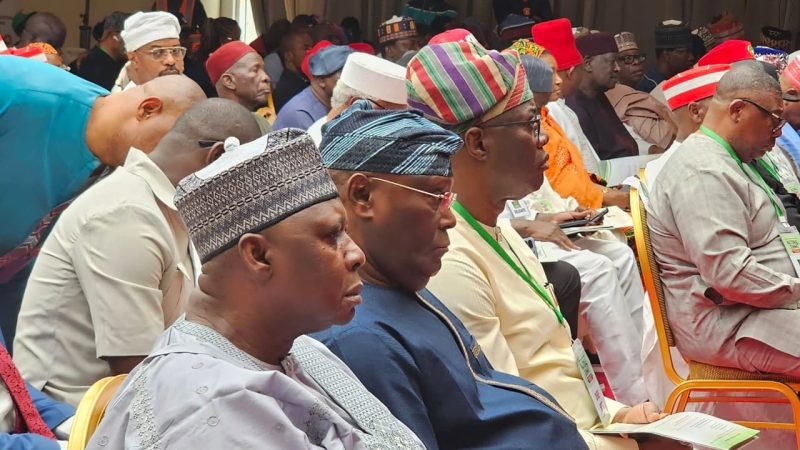
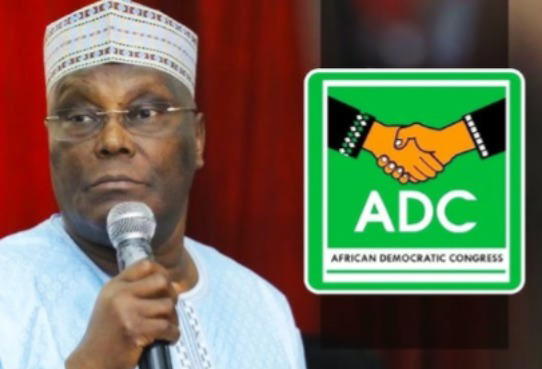
The summit, attended by prominent figures such as Atiku Abubakar and Peter Obi, was organized to address the current political climate in Nigeria. Makinde recalled that “Operation Wetie,” which translates to “Wet it” in Yoruba, erupted following the disputed 1965 western region elections. This violent episode marked a troubling chapter in Nigeria’s electoral history, where political adversaries were targeted through arson and violence.

Makinde stated, “For those who are acting as if there is no tomorrow, they should remember that ‘Operation Wetie’ started here. This is the same Wild Wild West.” He emphasized the importance of robust political discourse in shaping Nigeria’s democratic framework, noting that a significant conversation about the nation’s constitutional future began in Ibadan in 1950.
He expressed concern about efforts to consolidate legislative power within a single party while outlining the internal struggles facing opposition parties. “This is not something we should treat lightly,” he said. “Democracy is not destroyed overnight; it is weakened step by step until people feel it no longer serves them.”
Makinde asserted that a healthy democracy is characterized by viable alternatives for voters, reinforcing the significance of effective opposition.
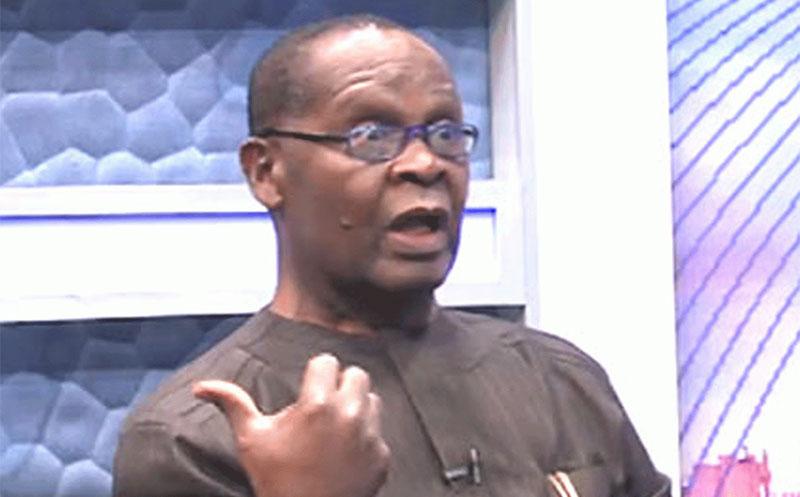
Political economist Pat Utomi also spoke at the summit, illustrating the nation’s economic hardships through personal anecdotes. He recounted a recent experience where he spent nearly 250,000 naira to fill his vehicle with fuel, contrasting that with reports indicating that a substantial portion of the Nigerian population survives on less than 100,000 naira a month.
Utomi stated, “That contrast is not just troubling; it is absurd. If that doesn’t reveal something fundamentally broken in our system, then nothing will.” He expanded on the ongoing crises beyond fuel prices, highlighting rising food costs and widespread insecurity that disrupts agricultural productivity.
He urged the audience to reconsider the meaning of patience in the face of hardship, stating, “Patience means little to those who are hungry today.” Reflecting on Nigeria’s historical trajectory, he noted the lack of direction in the current leadership and emphasized the moral dimensions of the country’s challenges: “Leadership without character cannot build a nation. The crisis we face today is not only economic—it is moral.”
For more updates, visit Vanguard News.