Ibadan Summit: Opposition parties plan single candidate for 2027 polls
By Adeola Badru
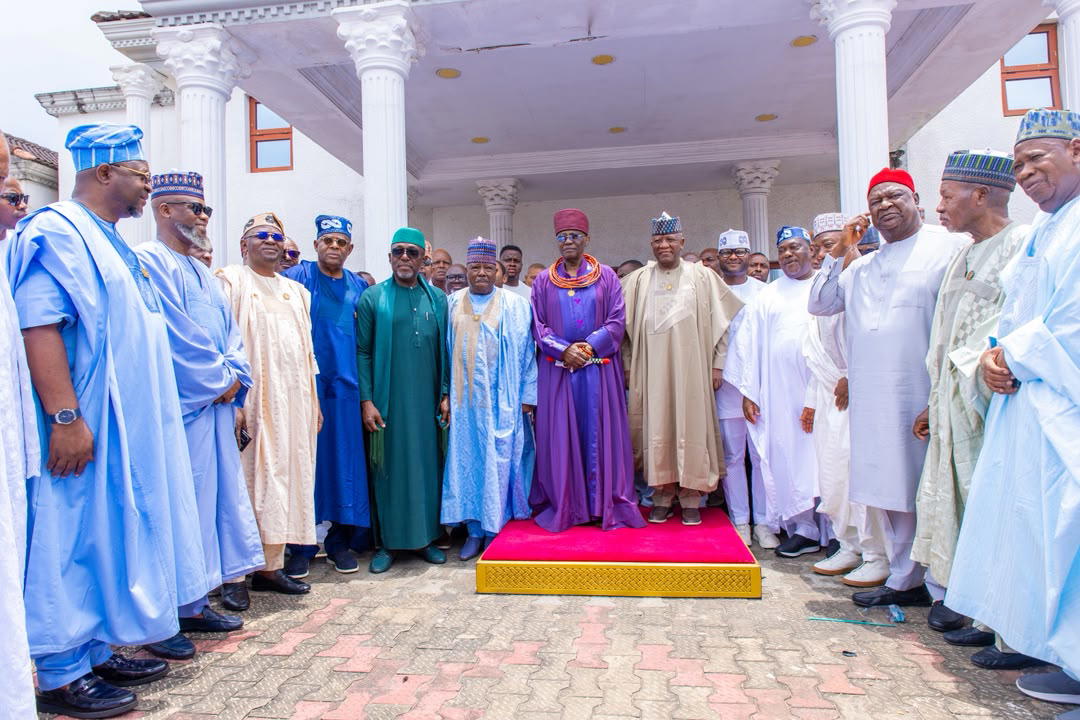
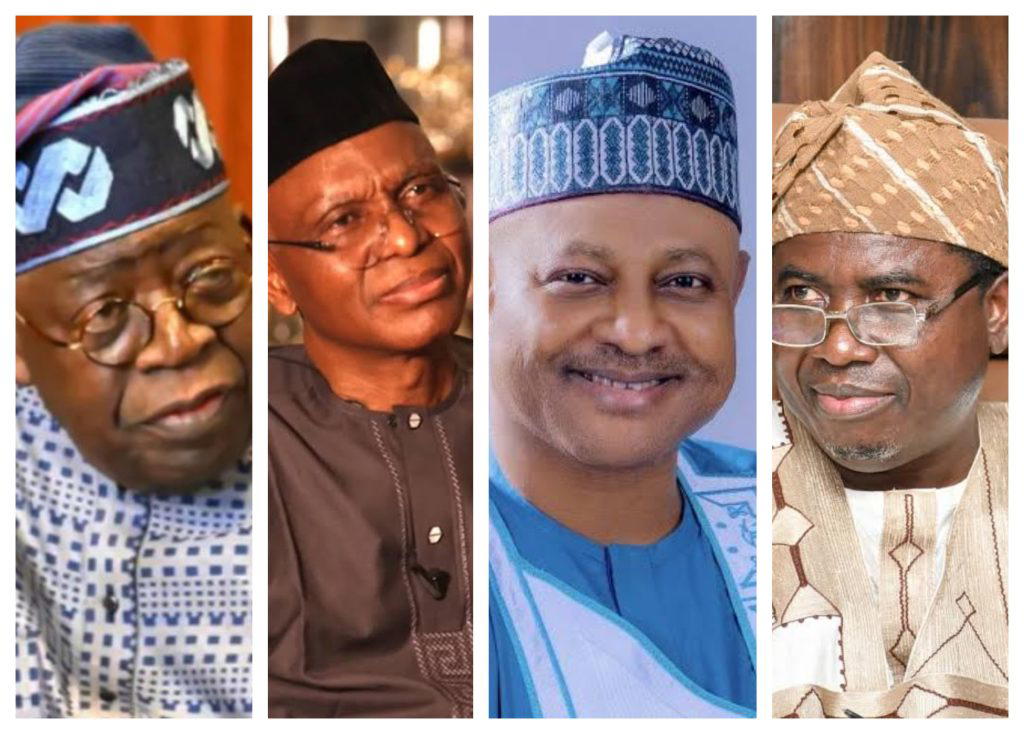
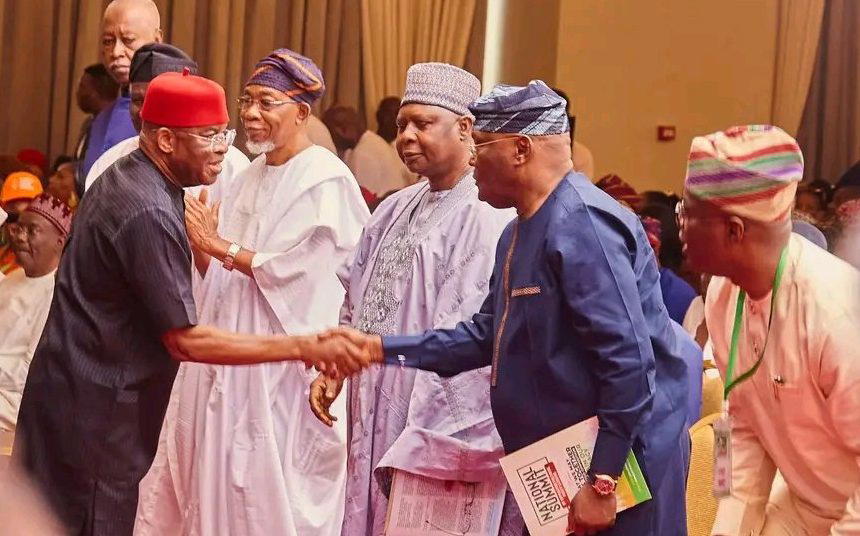
Opposition parties in Nigeria have pledged to challenge the ruling All Progressives Congress (APC) as they express concerns about threats to democracy ahead of the 2027 general elections. This commitment emerged from a national summit in Ibadan on Saturday, where several key opposition leaders, including Atiku Abubakar, Rabiu Musa Kwankwaso, Rotimi Amaechi, Peter Obi, and Rauf Aregbesola, convened to devise a collaborative strategy.
During the summit, Taminu Turaki, the factional chairman of the Peoples Democratic Party (PDP), read a communiqué stating their intention “to resist all machinations by the APC to foist a one-party state on Nigeria and to fight for the survival of multi-party democracy in our country.” The opposition parties dismissed claims of a predetermined outcome for the upcoming elections, asserting, “Despite the onslaughts and maneuverings of the ruling party, we shall field candidates and contest the 2027 Presidential and other elections.”
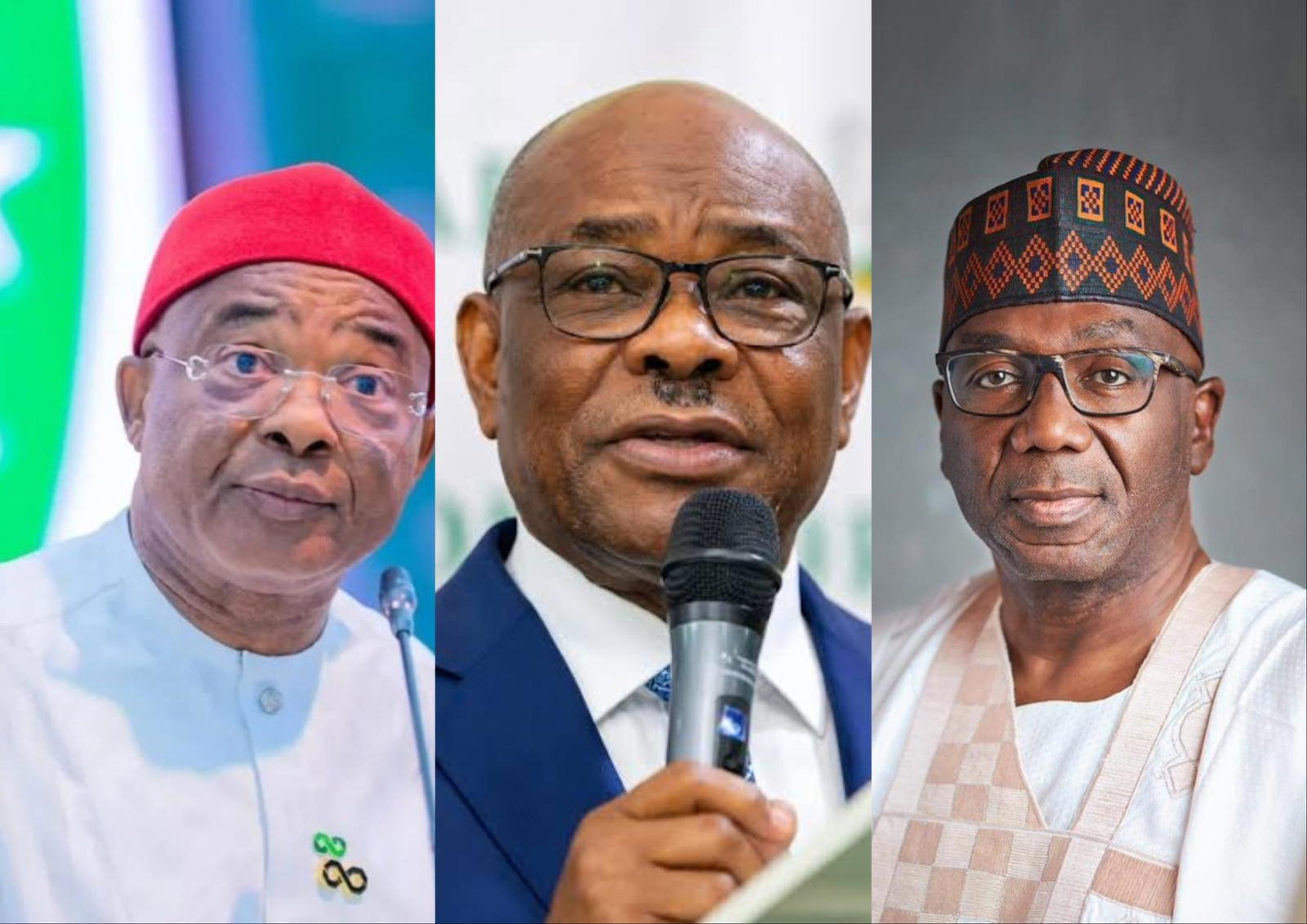
The parties also indicated their plans for a unified candidate, stating their goal to “work towards fielding one Presidential Candidate for the 2027 elections,” which will be agreed upon by all participating opposition parties.
Concerns about the electoral commission were also raised in the communiqué, which asserted that “INEC Chairman, Joash Ojo Amupitan, having shown bias and partisanship in favor of the ruling APC, should not conduct the 2027 general elections,” warning that his continued tenure could escalate tensions nationwide.
Matters concerning electoral reforms were addressed, with the opposition urging lawmakers to “immediately review the Electoral Act, 2026 to remove all sections that threaten the sanctity and integrity of the elections.”
Additionally, the communiqué called for the release of detained politicians, stating, “All leading politicians that are being detained or harassed on bailable offenses should be released immediately to allow them to exercise their fundamental rights of participation.”
The opposition criticized recent guidelines issued by the Independent National Electoral Commission (INEC), describing them as obstacles for opposition parties and requested an extension for primary elections until the end of July 2026.
In his opening address, host Governor Seyi Makinde warned that Nigeria’s democracy is experiencing gradual erosion due to increasing political concentration and the diminishing role of opposition parties. He noted, “Across Nigeria today, we are witnessing a level of political concentration that should concern all of us… these developments indicate a pattern where real political competition is fading.”
Makinde emphasized that democracy cannot function effectively without genuine alternatives, stating, “What we have may still be called democracy, but it will no longer function as one.” He framed the summit not as a coalition against an individual but as an initiative for the collective ambition of the Nigerian people.
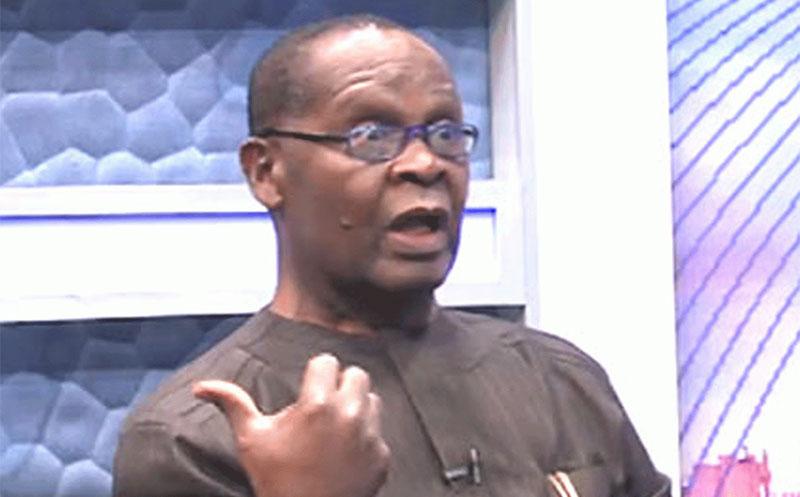
Political economist Pat Utomi highlighted the ongoing economic difficulties faced by citizens, using a personal example to illustrate the disparity between living costs and incomes. “Let me begin with a simple experience from yesterday. I set out to buy fuel, and by the time I was done, I had spent nearly 250,000 naira just to fill my tank. At the same time, a large percentage of Nigerians live on less than 100,000 naira a month. That contrast is troubling,” he remarked.
Utomi noted rising food prices and insecurity as significant contributors to the hardships faced by Nigerians, stressing the moral implications of the current leadership and urging for reforms that address the realities of Nigeria.
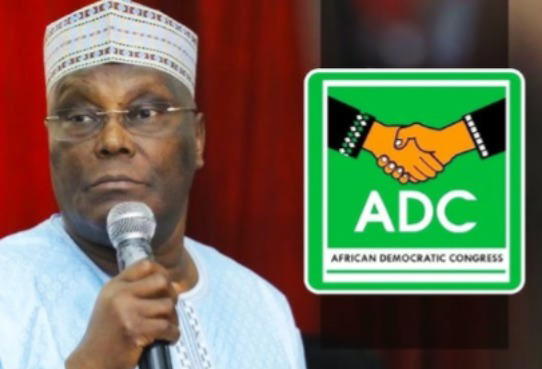
David Mark, National Chairman of the African Democratic Congress (ADC), called the gathering a pivotal moment in Nigeria’s history. He warned against the ongoing insecurity in Nigeria, citing alarming statistics, and criticized the government’s response as inadequate. Mark declared, “The essence of democracy is to provide the people with a choice… the ruling party has done everything to deny the people of Nigeria this very right to seek an alternative.”
The summit concluded with a call for unity among opposition parties to confront the existing political landscape, with Mark asserting that “this contest is between the ruling party APC and the Nigerian people.” He emphasized the need for collective effort to safeguard democracy in Nigeria, cautioning against becoming a one-party state.