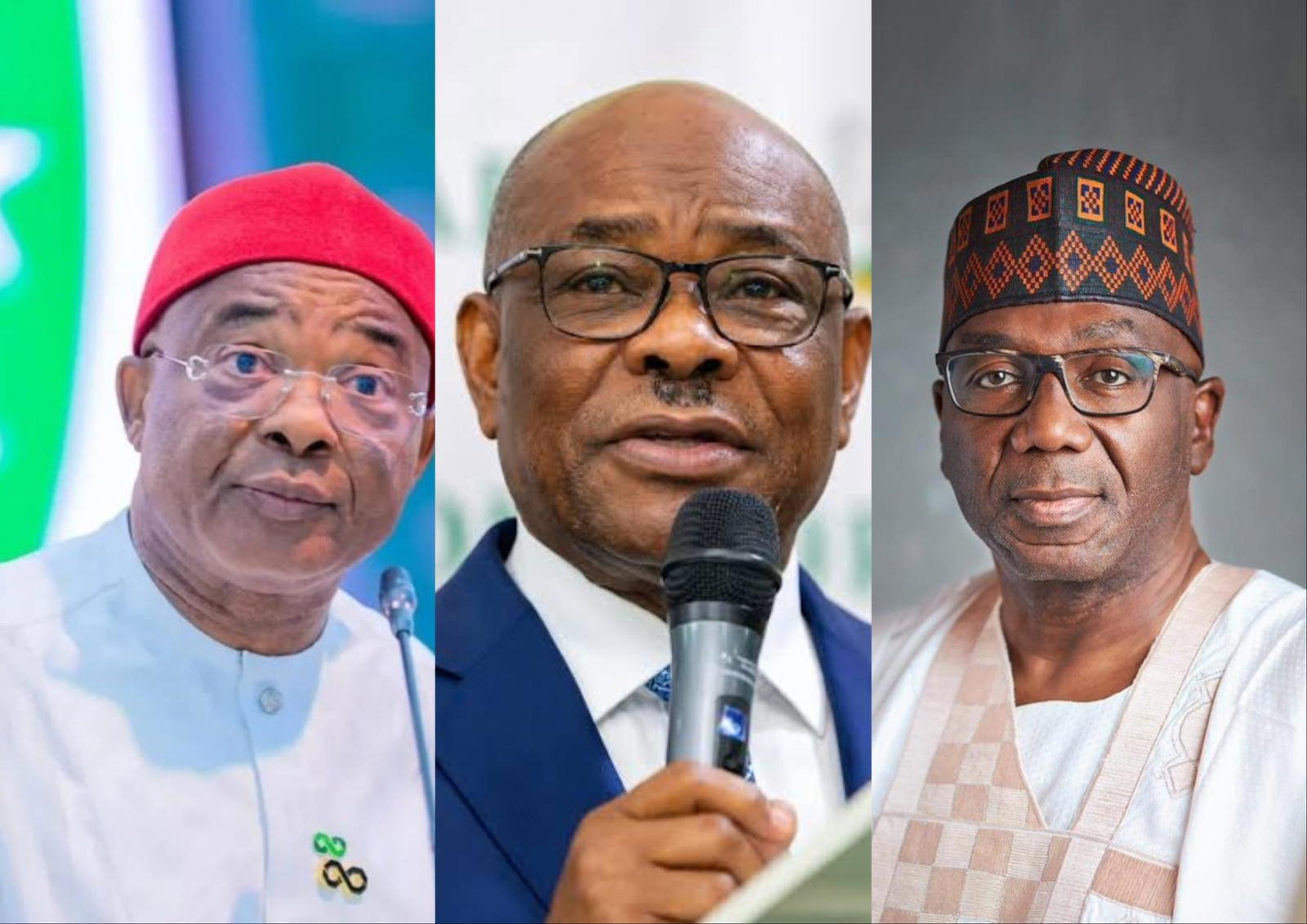
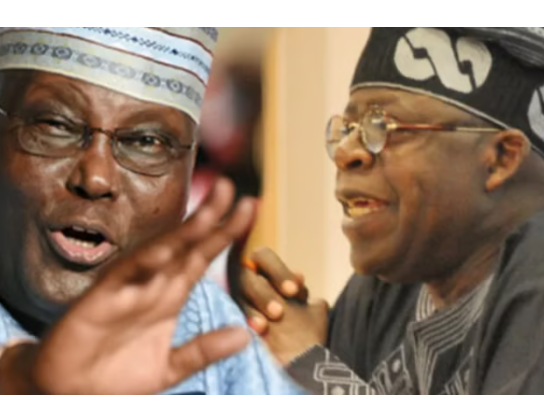
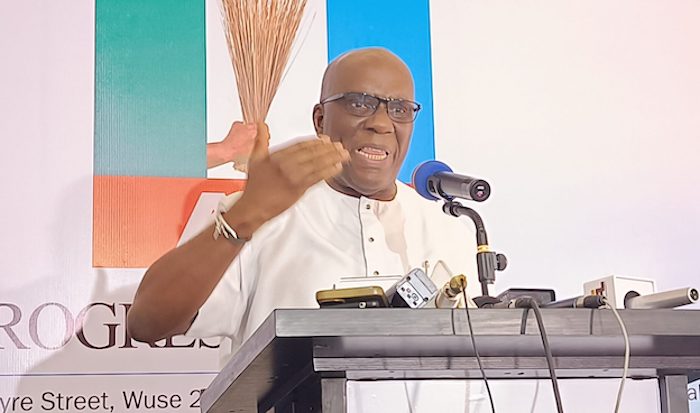
Intrigue as Shettima, Kwankwaso, Amaechi, Lamido emerge as potential VP
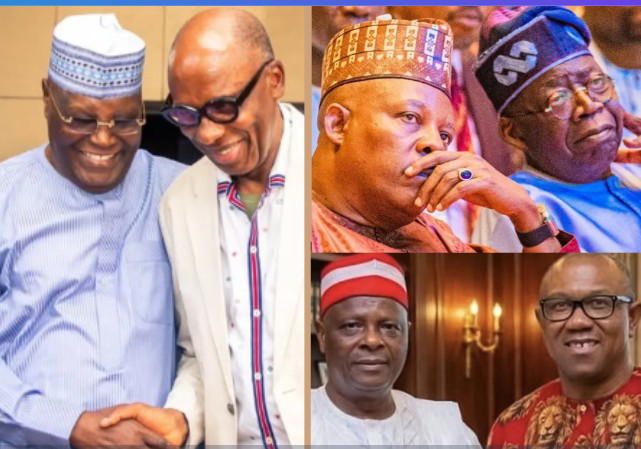
Political Dynamics Shift Ahead of Nigeria’s 2027 Presidential Election
By Luminous Janamike
As Nigeria approaches the presidential election set for January 16, 2027, political factions are grappling with a evolving landscape that challenges the longstanding paradigms of zoning, ethnicity, and religious balance in elections. As discussions about competence and governance gain prominence, opposition leaders who previously rallied around coalition-building face increasing fragmentation.
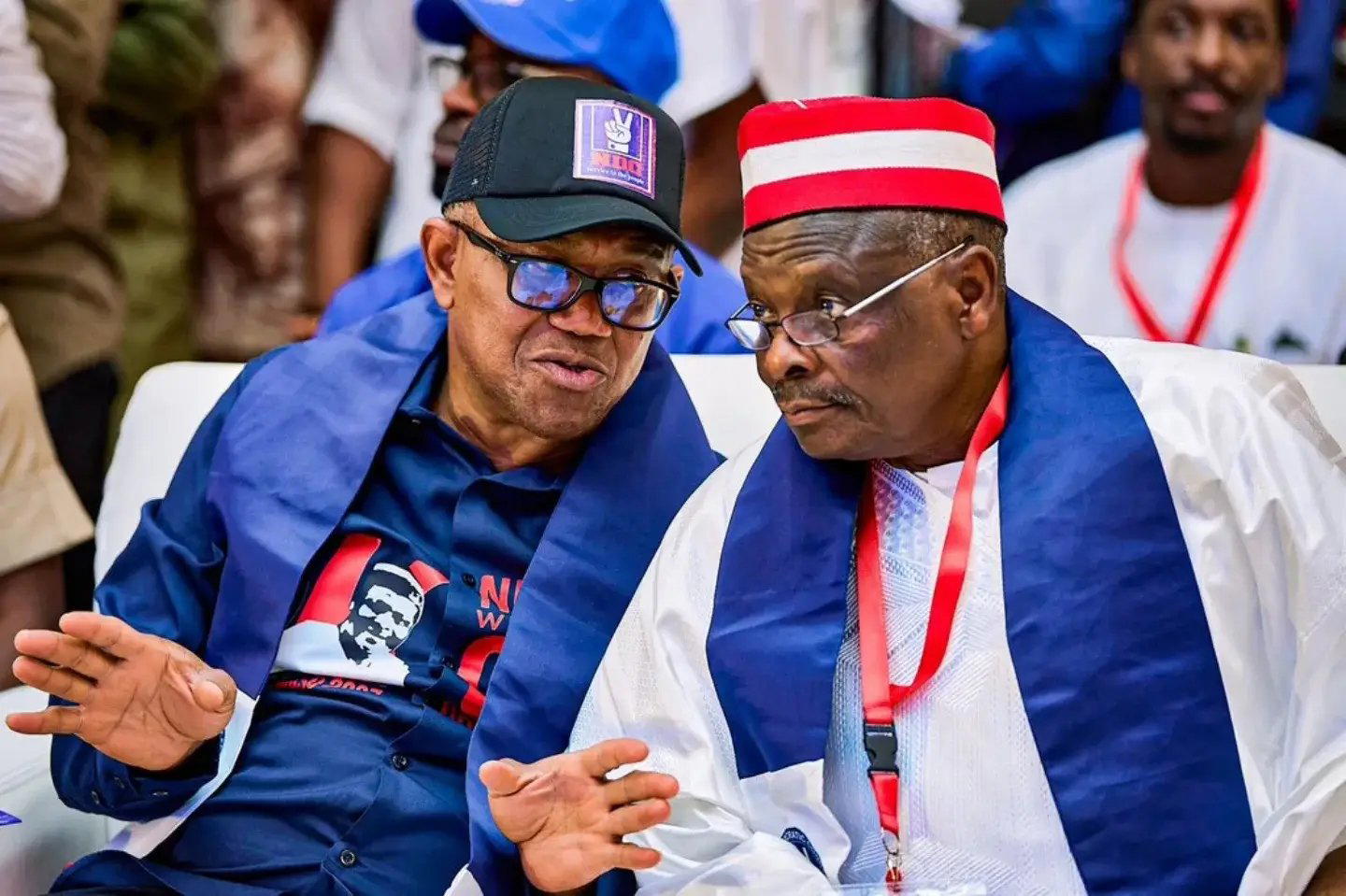
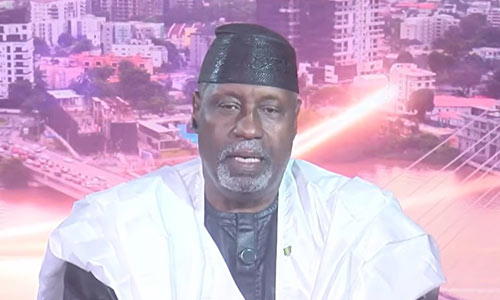
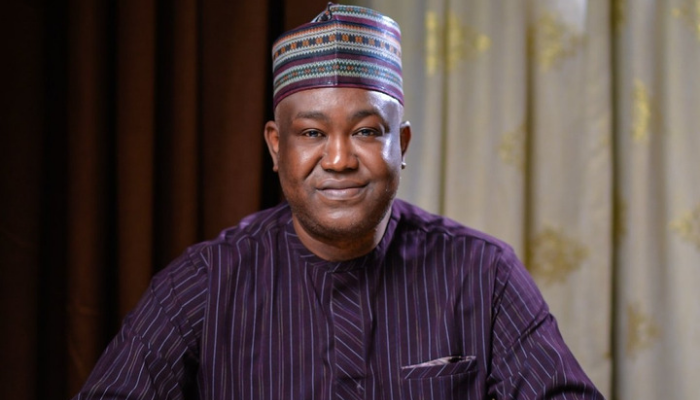
Just months ago, opposition politicians convened in Ibadan, where they articulated a vision of unity and cooperation against the ruling All Progressives Congress (APC). They expressed concerns about the risk of a dominant-party system emerging in Nigeria, vowing to work collectively to oppose the APC’s influence. However, as the election nears, signs of disunity are becoming evident. Instead of consolidating around a single challenger, multiple candidates are emerging, each vying for the presidency with separate campaign strategies.
For decades, Nigeria’s political landscape adhered to a familiar formula based on regional representation and demographic balancing. Candidates were often chosen with geographic and ethnic considerations at the forefront, focusing more on their ability to mobilize votes than their governance capabilities. Yet, rising economic challenges, persistent insecurity, and disenchantment with the political elite are prompting a reevaluation of these norms.
Political insiders within various camps are now questioning whether the traditional methods of assembling a winning ticket are still effective. The focus is shifting toward whether competence and administrative capacity may take precedence over geographic considerations, a debate that could significantly impact the race for Aso Rock.
The recent gathering in Ibadan, dubbed the “Ibadan Declaration,” aimed to consolidate the opposition against the APC’s growing dominance. Participants highlighted the dangers of a potential “one-party state” and pledged cooperation to safeguard democracy. However, underlying tensions persisted as prominent figures such as Peter Obi and Rabiu Musa Kwankwaso sought to maintain their independent political identities, complicating coalitional efforts.
An insider familiar with coalition discussions remarked, “Everyone acknowledges that the APC is vulnerable due to economic hardship. However, each leader believes they should be the one to take advantage of this weakness.” This internal contradiction has contributed to the unraveling of coalition negotiations, leading to diverging paths for various opposition candidates.
Many analysts draw parallels to the opposition’s success in 2015 when a diverse array of parties united to unseat an incumbent president for the first time. However, the current political environment is markedly different, with multiple ambitious factions rather than a single unified front. Cheta Nwanze, a partner at SBM Intelligence, warns that fragmentation remains a significant vulnerability for opposition parties, allowing the APC to benefit as anti-incumbent sentiments are dispersed across several platforms.
Amid these dynamics, a new focus on competencies is emerging. For years, vice-presidential candidates were primarily selected based on their ability to sway votes from particular regions or communities. Increasingly, however, political figures are reconsidering the value of substantive governance versus token representation. The economic realities of rising food prices, unemployment, and rampant insecurity are prompting discussions about prioritizing effective leadership over symbolic political balancing.
Obi has openly framed his critique of the current administration on the basis of competence, urging citizens to demand productive leadership instead of support based on ethnic loyalty. Former President Olusegun Obasanjo echoing these sentiments, has emphasized the need for leadership standards based on experience and capability.
Discussions surrounding potential vice-presidential picks illustrate this shift. Traditionally focused on electoral geography, the conversation is turning towards governance experience and economic acumen. A source involved in these discussions stated, “There is a growing acknowledgment that the next administration will face a complex set of challenges.”
Various potential vice-presidential pairings are being contemplated, each presenting unique strategic imperatives. The current administration’s Tinubu-Shettima pairing is seen as the most stable option, preserving the APC’s northern coalition while navigating concerns about religious representation. Critics argue the arrangement fosters exclusion in a diverse society, while supporters contend that effectiveness in governance should take precedence.
The possible combination of Atiku Abubakar and Rotimi Amaechi is being closely watched, as it represents a merger of experiences. However, Amaechi’s recent objections regarding the outcome of his party’s presidential primary pose challenges for coalition building.
Other combinations, such as Obi and Kwankwaso, appear enticing on paper but raise questions about whether two strong political personalities can successfully join forces without internal conflict. Additionally, speculation surrounding former President Goodluck Jonathan as a candidate continues, with some elites viewing him as a stabilizing figure amid political turmoil.
In contrast, Adewole Adebayo is emerging as an outsider, positioning himself as a governance-focused candidate challenging established political norms. However, he faces significant hurdles in mobilizing the necessary structural support.
As the political landscape evolves, one underlying tension remains: Can new ideas about governance and competence triumph over entrenched political structures? The upcoming election is likely to challenge these established paradigms, as a rising chorus of voices echoes the need for effective leadership over mere demographic representation.
Nigeria finds itself at a crossroads between maintaining traditional political practices and embracing a future where governance competency takes precedence. The decisions made in the lead-up to the 2027 election will reveal whether the old guard will continue to dominate or make way for a new political narrative reflective of the electorate’s changing priorities.