Was ADC presidential primary ever a contest? – Amaechi’s fury, Atiku’s peace mission expose cracks in opposition coalition
Amaechi’s Fury and Atiku’s Peace Mission Highlight Divisions in ADC Coalition
By Luminous Jannamike, Abuja
The recent presidential primary of the African Democratic Congress (ADC) has ignited significant tensions within the party, overshadowing initial celebrations with allegations of irregularities.
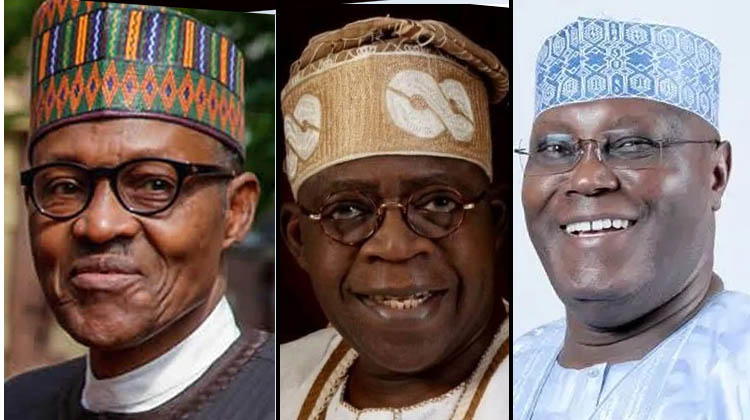
Former Vice President Atiku Abubakar dominated the nationwide direct primary, receiving 1,846,370 votes. He significantly outperformed his rivals: former Rivers State Governor Rotimi Amaechi, who garnered 504,117 votes, and businessman Mohammed Hayatu-Deen, with 177,120 votes. While the final results were conclusive on paper, concerns about the integrity of the collation process began to surface before the official announcement concluded late Wednesday.
As news of the results spread, supporters from rival camps engaged in heated discussions through political WhatsApp groups, raising questions about the vote counts in various regions. Amaechi characterized the primary outcome as “concocted,” while Hayatu-Deen opted to boycott the announcement, citing observed irregularities.
This fallout shifted the conversation away from the winner to the fundamental question of whether the primary had been a genuine contest at all.
Atiku’s Dominance and Coalition Dynamics
In the realm of Nigerian opposition politics, Atiku’s prominence was widely acknowledged prior to the primary. His extensive political network and experience from previous campaigns have positioned him as a formidable contender. Observers noted that the ADC appeared to serve as a vehicle for Atiku following his dissatisfaction with the Peoples Democratic Party (PDP).
The primary results did reinforce existing perceptions that, while the race was officially open, it had effectively favored Atiku prior to voting. Critics within the coalition indicated that the substantial margin of victory raised doubts about the competitiveness of the contest.
Questions about the primary’s integrity underscore a recurrent challenge within Nigerian politics: issues of trust and manipulation often intertwine.
Parallels with APC Accusations
For a coalition intent on challenging the ruling All Progressives Congress (APC) on democratic grounds, the contrasts were stark. Language traditionally employed to critique the APC—such as “imposition” and “manipulation”—was now echoed in internal ADC discussions.
Initially, the ADC sought to showcase the primary as a testament to its internal democratic process. Ikechi Emenike, chairman of the Presidential Primary Election Committee, emphasized the party’s commitment to fair elections. However, as allegations emerged, the party adopted a more cautious stance. National Publicity Secretary Bolaji Abdullahi acknowledged a lack of conclusive evidence regarding the claims of misconduct.
The Underlying Issue of Trust
An insider familiar with coalition dynamics noted that the real concern extended beyond potential rigging. “The deeper problem is trust,” the source said, implying that suspicions about pre-arranged decisions had tainted the process from the outset. Another insider remarked that while Atiku’s victory came as little surprise, the substantial margin indicated that some candidates might have been in the race more for appearances than for a legitimate electoral challenge.
Amaechi’s criticism holds weight within the coalition, as he remains a prominent figure capable of mobilizing support. His rejection of the primary process highlights deeper anxieties within a coalition formed out of urgency and ambition, aimed at contesting President Bola Tinubu and the APC in 2027.
Rapid Reconciliation Efforts
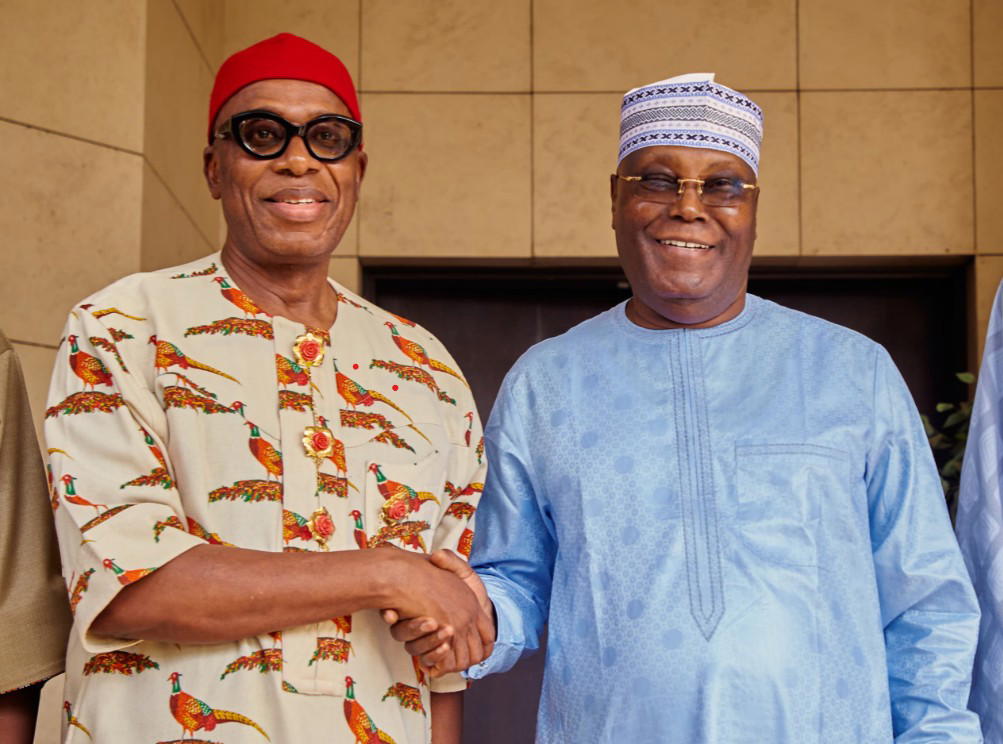
In response to the turmoil, Atiku swiftly reached out to Amaechi, meeting with him in Abuja alongside other coalition members, including former Sokoto State Governor Aminu Tambuwal. Officially, their discussions focused on unity and strategies to challenge the ruling party, with reports of camaraderie amidst serious political discourse.
Despite efforts to project a united front, the speed of these reconciliation attempts suggests an awareness of the potential dangers that public distrust could pose.
Internal Challenges for ADC
Former Senate President and ADC National Chairman David Mark framed the situation within the broader context of democratic resilience, asserting, “What is at stake is not just the ADC or the opposition, but the survival of our democracy.”
However, the ADC’s inaugural national exercise has already laid bare both its strengths and vulnerabilities. The party can effectively coalesce influential political actors but must also address lingering suspicions about uneven power dynamics among its members.
If these internal challenges are not effectively navigated, the ADC may find that overcoming the APC is less daunting than managing the ambitions and expectations of its own coalition.