10 Key Facts About Hantavirus You Should Know
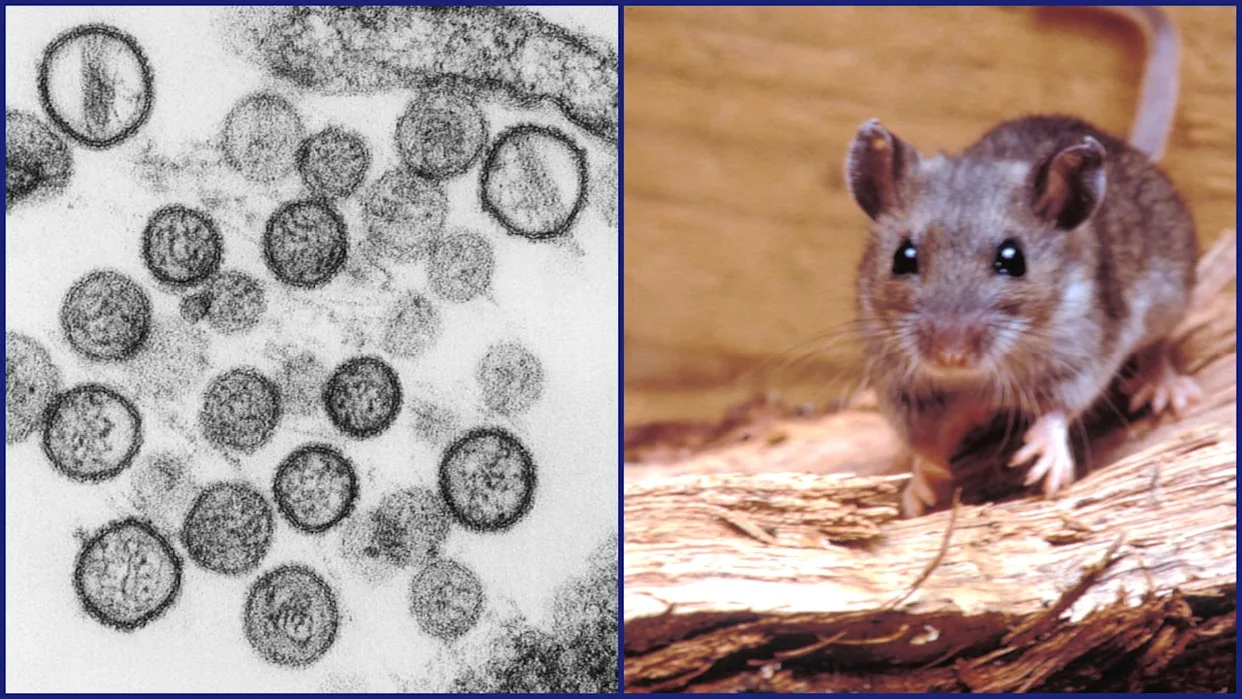
Hantavirus Outbreak on Cruise Ship Raises Concerns Over Potential Global Health Crisis
A recent outbreak of Hantavirus on the cruise ship MV Honduis has ignited fears reminiscent of the global shutdowns during the COVID-19 pandemic in 2020. The novel coronavirus first emerged in Wuhan, China, leading to widespread travel restrictions and health emergencies worldwide.
The ship’s scheduled destination remains uncertain after the Spanish government authorized it to dock in the Canary Islands. This decision follows the refusal of Cape Verdean authorities to permit the vessel to anchor off the coast of West Africa. However, residents of the Canary Islands have expressed their concerns, opposing the docking due to the ship’s current situation, which includes hundreds of passengers and eight confirmed cases of Hantavirus.


Health officials stress the importance of awareness regarding Hantavirus. Here are ten key facts about the virus and strategies to prevent its spread:
-
Rare but Serious: Hantavirus infections are uncommon but can lead to severe complications, often affecting the lungs or kidneys depending on the specific strain.
-
Rodent Transmission: The virus is primarily spread by rodents, particularly mice and rats. Humans can contract it through exposure to the animals’ urine, droppings, or saliva.
-
Airborne Risk: The most significant transmission risk occurs when contaminated particles are inhaled, particularly when rodent waste is disturbed.
-
Limited Human Transmission: Unlike many viruses, Hantavirus rarely spreads between humans, though isolated cases have been documented.
-
Flu-like Symptoms: Initial symptoms often include fever, fatigue, muscle aches, headaches, dizziness, and gastrointestinal issues such as nausea and diarrhea.
-
Rapid Progression: The illness can escalate quickly to severe lung disease known as Hantavirus Cardiopulmonary Syndrome (HCPS) or kidney-related illness called Hemorrhagic Fever with Renal Syndrome (HFRS).
-
Incubation Period: Symptoms typically develop within two to four weeks, but can arise as early as one week or as late as eight weeks after exposure.
-
No Cure or Vaccine: Currently, there are no specific treatments or vaccines for Hantavirus, making early diagnosis and intensive medical care critical.
-
Hygiene Practices: Prevention hinges on proper hygiene. Avoid sweeping or vacuuming rodent droppings. Instead, disinfect areas with a bleach solution and use protective gloves.
-
Recent Cases Under Scrutiny: The World Health Organization has noted a rare cluster of cases, including the suspected outbreak on the MV Honduis, prompting international monitoring and response efforts.
As health authorities continue to assess the situation, vigilance and adherence to public health guidelines are emphasized to prevent further spread of the virus.