Ibadan National Summit: When opposition confronts Nigeria’s fragile democracy
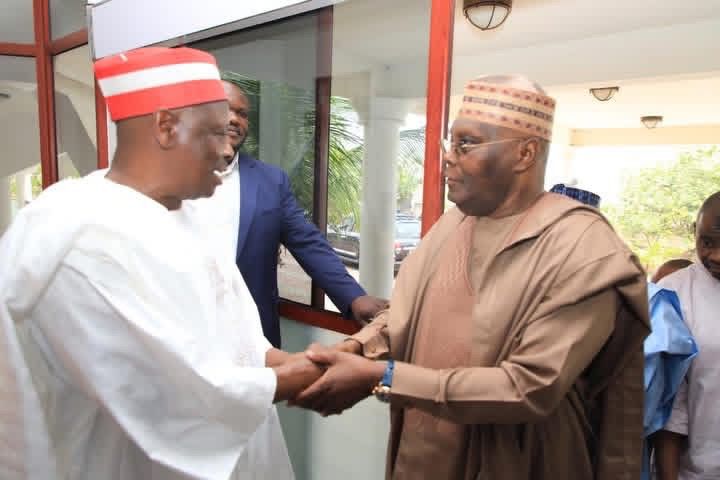
Political Summit in Ibadan Reflects Urgent Call for Opposition Unity
By Adeola Badru
IBADAN, Nigeria — A gathering of opposition political figures in Ibadan last Saturday emphasized the pressing need for unity as Nigeria approaches the 2027 elections. The meeting, convened by Governor Seyi Makinde, was characterized by a tone of serious reflection rather than the usual political theatrics.
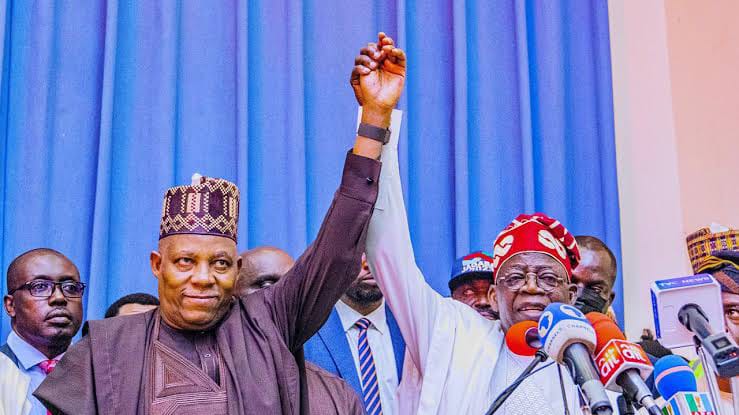
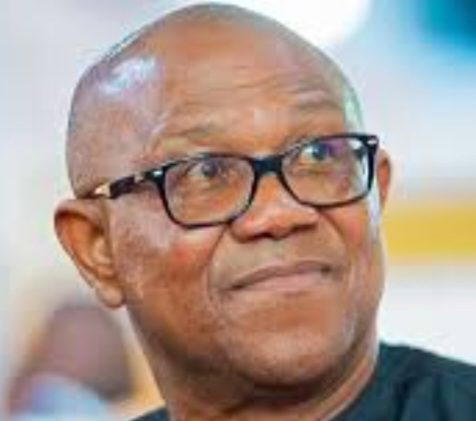
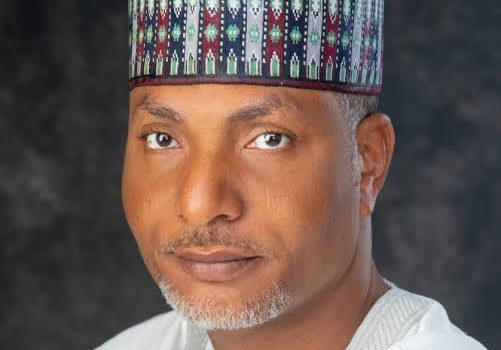
Leaders from diverse political backgrounds recognized that Nigeria’s democratic structures are under increasing strain. Long accustomed to operating in fragmentation, the opposition must now regroup to confront the challenges ahead.
The summit’s significance was underscored by the diverse experiences of its participants, whose political careers reflect the complexities of Nigeria’s democratic evolution. Many have held influential positions within the government they now seek to reform, a duality that complicated discussions but highlighted the essential need for change.
Governor Makinde’s opening remarks set the stage for the day’s dialogue, focusing on the gradual erosion of democratic principles. He warned that democracies rarely collapse abruptly; instead, they weaken incrementally, often through subtle shifts that centralize power and reduce genuine political discourse. He insisted that a credible opposition is vital for the survival of democracy, and without it, Nigeria risks becoming functionally a one-party state.
The summit’s discussions encompassed several interrelated themes, including governance, electoral integrity, security, and economic stability. Chidi Odinkalu emphasized the necessity for an independent judiciary to maintain public confidence in the democratic process. Usman Bugaje reinforced this notion, stating that transparency and accountability in governance are crucial to earning public trust.
Mike Igini highlighted the critical nature of electoral reform, framing it not as an abstraction but as a practical concern. He stressed that the integrity of elections relies on the legal framework, administrative efficiency, and the effective use of technology for voting and outcome reporting.
Kabir Adamu addressed security challenges, detailing the complex landscape of violence across Nigeria, from insurgency in the North-East to escalating banditry and communal conflicts. David Mark echoed his sentiments, noting that violence had become a routine part of life, undermining the state’s legitimacy.
Economic concerns also took center stage, with Pat Utomi critiquing the disconnect between policy and public experience. He described Nigeria’s economic challenges as systemic, necessitating a reevaluation of leadership values and governance principles.
Civil society representation was starkly vocal as Aisha Yesufu emphasized that any discussion of opposition unity must be founded on credibility to resonate with the public.
As discussions unfolded, it became evident that while acknowledging the country’s challenges is crucial, forming a cohesive coalition to tackle them remains a complex endeavor. Several notable political figures were present but chose not to speak, signifying the underlying divisions within the opposition.
The summit concluded with a communiqué outlining commitments to resist a one-party state and to enhance collaborative efforts leading up to the 2027 elections. It expressed a desire to present a unified presidential candidate and advocated for electoral reform, legislative adjustments, and the protection of fundamental rights.
However, the presence of fissures and the noted absence of key figures revealed the ongoing struggles within the opposition. The summit did not claim to resolve these issues but aimed to clarify the path forward.
While the meeting highlighted significant challenges, it also established the groundwork for potential collective action in the years leading to the next elections. The degree to which the opposition will translate intent into reality remains uncertain, requiring not just strategy but also discipline and a commitment to shared goals. As such, the summit underscored the imperative for accountability in Nigeria’s democratic process.