2027 Presidency: NDC’s one-term zoning to South sparks praise, knock
NDC’s Zoning Decision for 2027 Presidential Ticket Evokes Mixed Reactions
By Clifford Ndujihe, Dapo Akinrefon, John Alechenu & Luminous Jannamike
The Nigeria Democratic Congress (NDC) has announced its decision to allocate the 2027 presidential ticket to the South, with plans to revert it to the North in 2031. This development has elicited a variety of responses from political stakeholders nationwide.
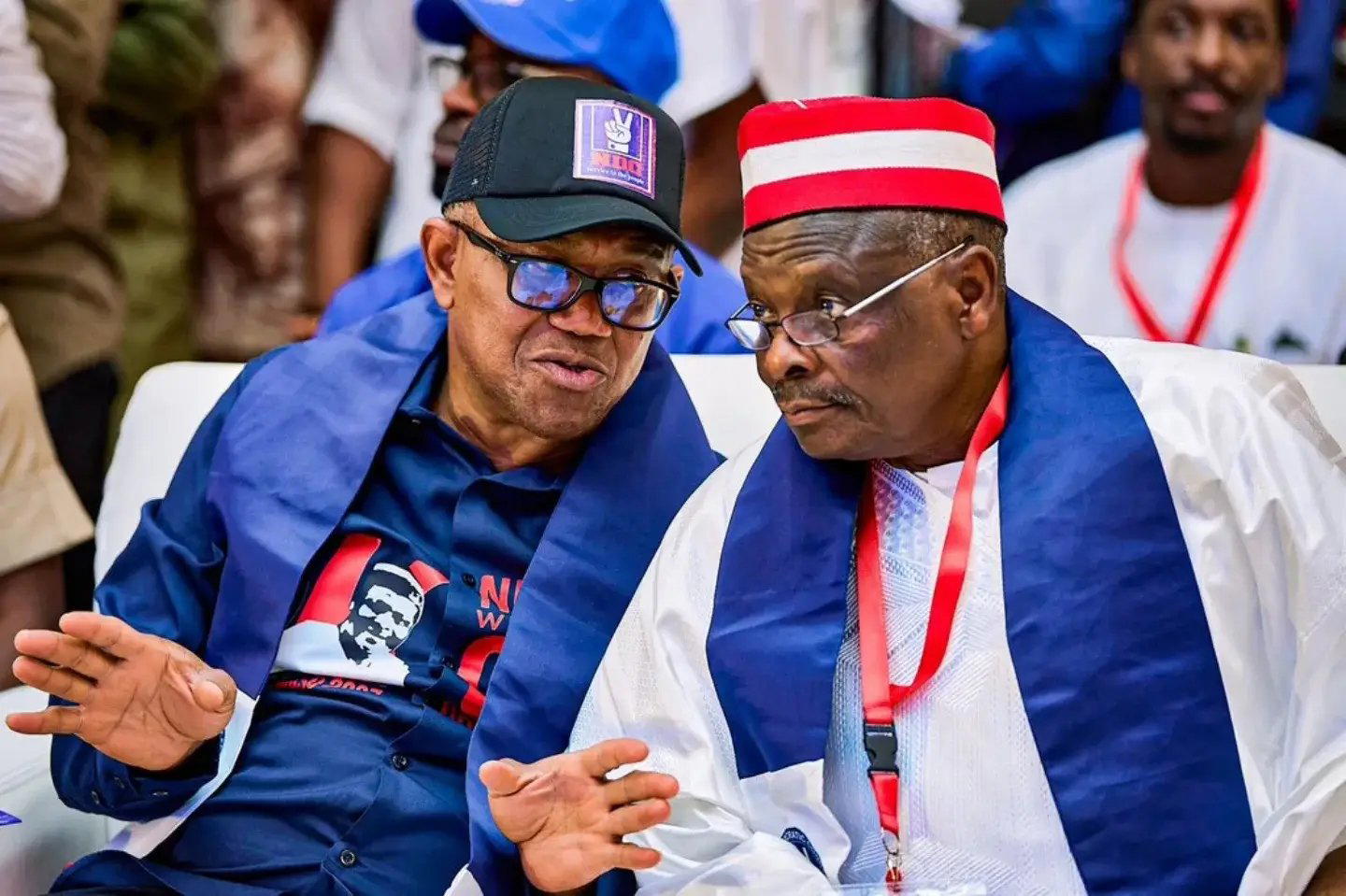
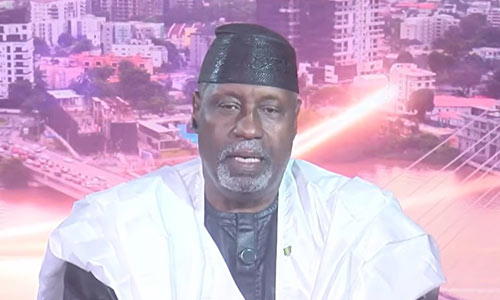
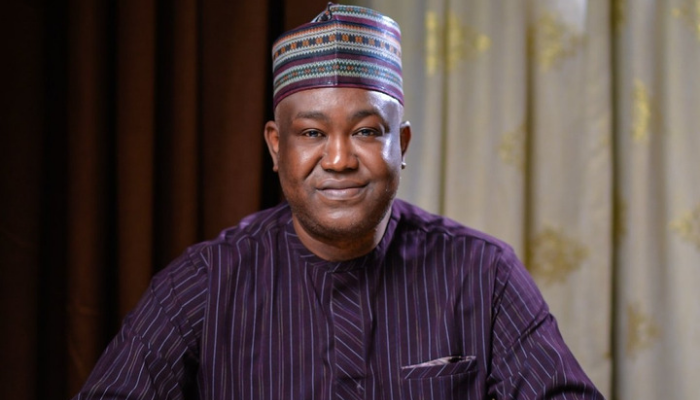
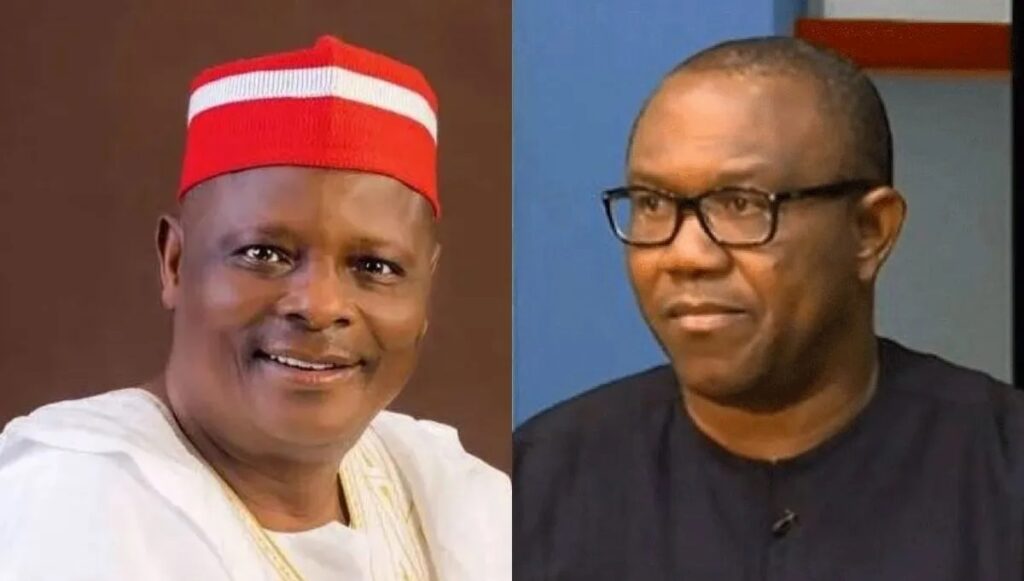
The zoning decision follows the recent defection of former Anambra State Governor Peter Obi and former Kano State Governor Musa Kwankwaso from the African Democratic Congress (ADC) to the NDC. Both are now considered strong contenders for the party’s presidential and vice-presidential tickets, with supporters suggesting they could significantly challenge the ruling All Progressives Congress (APC) and President Bola Tinubu in the upcoming election.
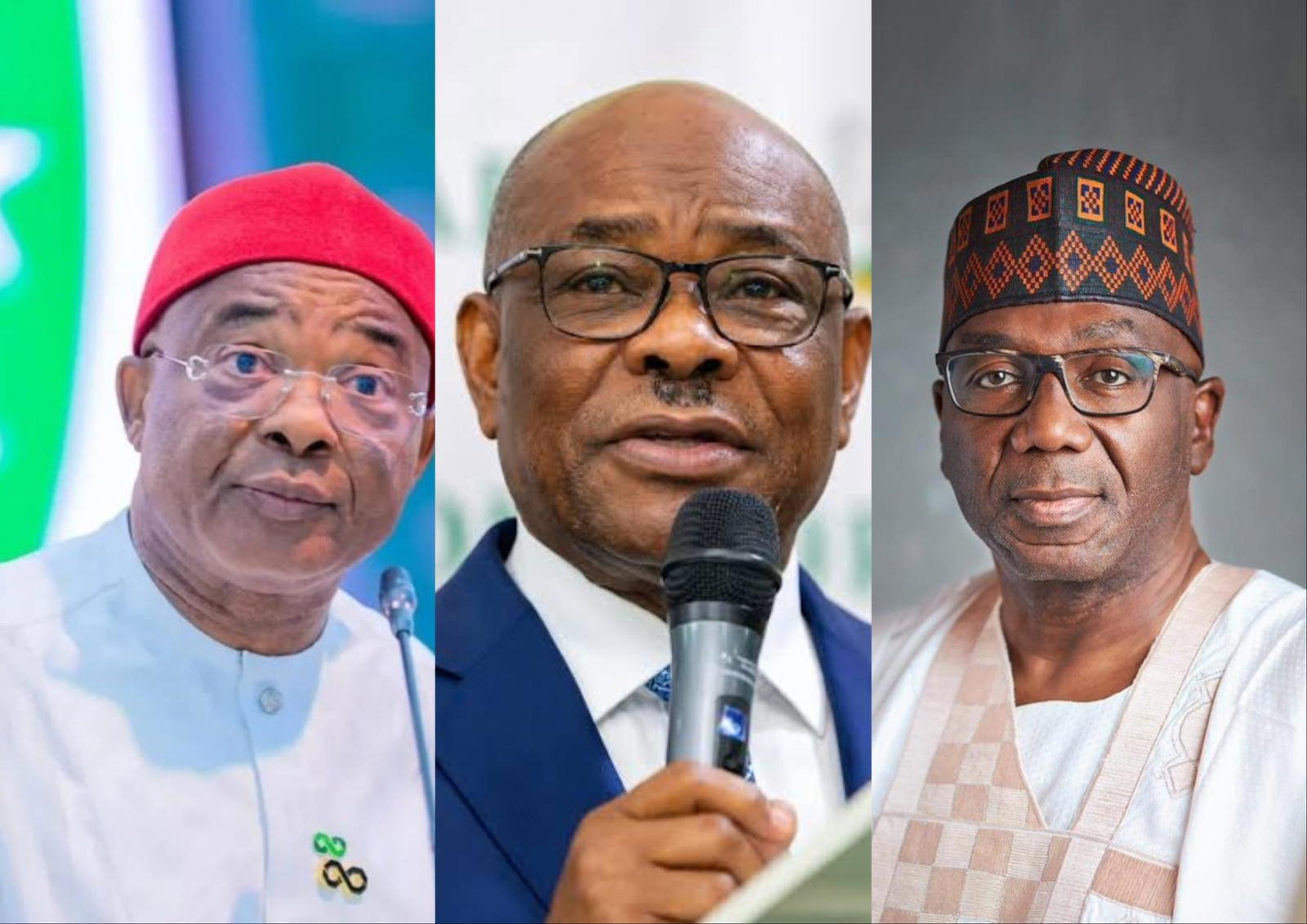
Prominent figures expressing their opinions on this arrangement include Chief Chekwas Okorie, the founding National Chairman of the All Progressives Grand Alliance (APGA); former Presidential Adviser Akin Osuntokun; representatives of the Southern and Middle Belt Leaders Forum; former presidential candidate Chief Peter Ameh; NDC National Auditor Chief Okechukwu Osuoha; and Minister of Aviation Festus Keyamo, SAN.
Okorie Hails Zoning as a Strategic Move
Chief Chekwas Okorie praised the NDC’s zoning strategy, deeming it a “masterstroke.” In a statement to Vanguard from Abuja, Okorie expressed optimism regarding the party’s potential to disrupt the political landscape in 2027. He emphasized the importance of presenting a ticket featuring Obi and Kwankwaso to maximize electoral success.
“This zoning is the right decision,” he stated. “However, it will depend on whether the party can go all the way and put forward an Obi/Kwankwaso ticket.”
Okorie noted the historical challenges faced by Igbo candidates within national political contexts, citing imbalances in local government representation and the implications of ethnic and religious dynamics in Nigerian politics.
Caution Over Potential Competition
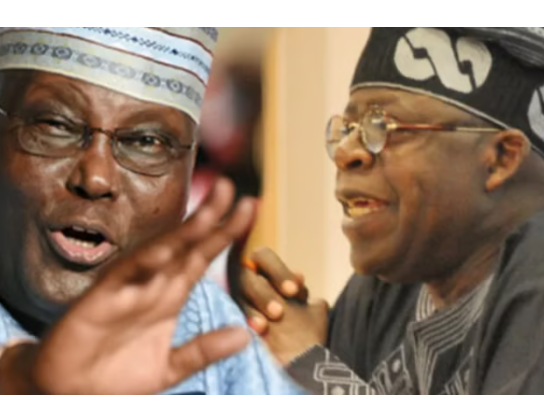
Akin Osuntokun, a former advisor to ex-President Olusegun Obasanjo, expressed skepticism about the NDC’s strategy guaranteeing victory. He emphasized the importance of national unity while cautioning that the potential candidacy of former Vice President Atiku Abubakar could complicate the race for the NDC ticket.
“If Atiku enters the race as the northern candidate, it could significantly weaken the chances for an Obi/Kwankwaso ticket,” Osuntokun warned.
Keyamo Critiques the Decision
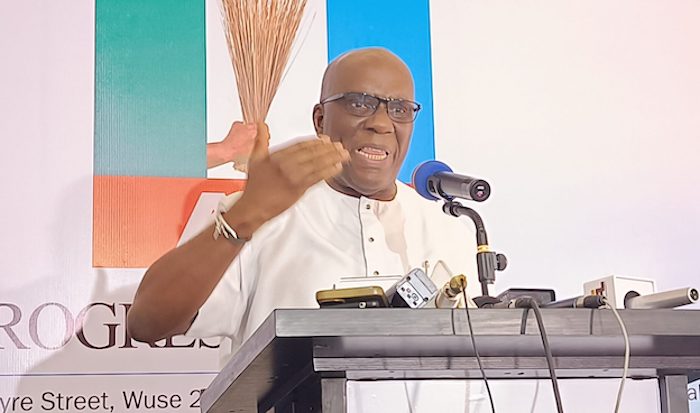
Festus Keyamo dismissed the NDC’s zoning decision as a mere political maneuver, describing it as “political 419.” He criticized its effectiveness and raised concerns over the feasibility of enforcing such an arrangement, questioning what would happen if key figures switch allegiances after the election.
Support from Party Leaders
Conversely, Chief Peter Ameh, a chieftain within the NDC, expressed approval of the party’s decision to zone the presidential ticket to the South, calling it a reflection of Nigeria’s political landscape. However, he noted that discussions about a running mate should wait until the presidential candidate is selected.
Meanwhile, the Southern and Middle Belt Leaders Forum has encouraged all political parties to follow the NDC’s example, advocating for a rotating presidency that prioritizes equity and justice.
Promoting Equity in Political Participation
Chief Okechukwu Osuoha, a member of the Peoples Democratic Party’s National Working Committee, aligned himself with the NDC’s stance. He pointed out that while the Nigerian Constitution does not mandate zoning, the PDP constitution acknowledges it as a tool for internal balance.
“Common sense dictates that power should remain in the South for another eight years,” he concluded.
As the political landscape evolves, the implications of the NDC’s zoning decision will continue to unfold in the lead-up to the 2027 elections.