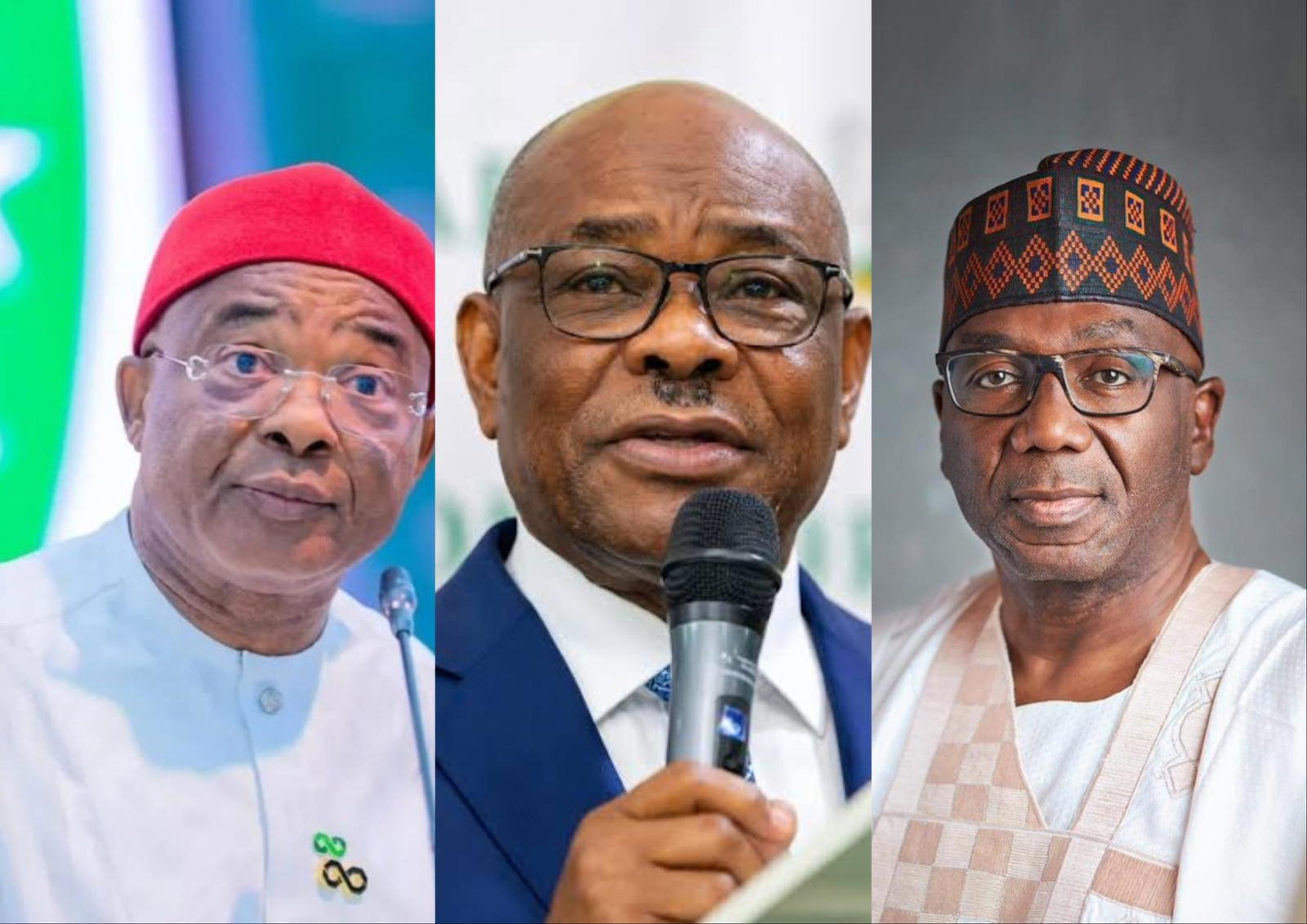
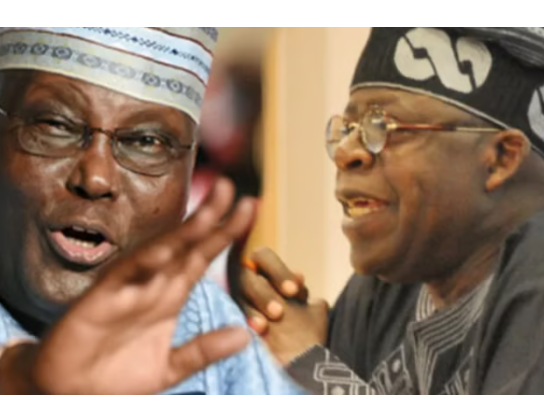
2027: Powerful forces behind Tinubu, Atiku, Obi, Makinde
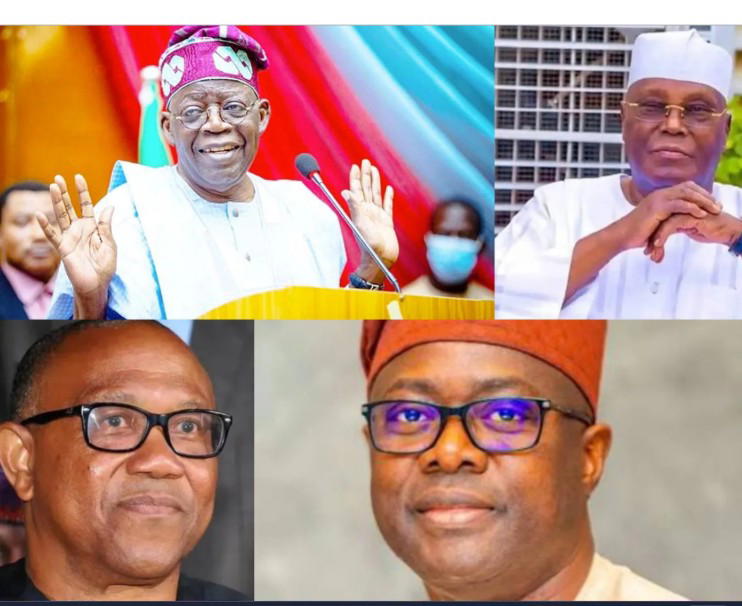
Powerful Forces Shape 2027 Nigerian Presidential Race
By Luminous Jannamike
As Nigeria approaches the 2027 presidential election, the focus is shifting from individual candidates to the influential political forces rallying behind them. With just eight months until the polls, an intricate web of alliances is forming across the country, as governors and former ministers engage in private negotiations and public endorsements.
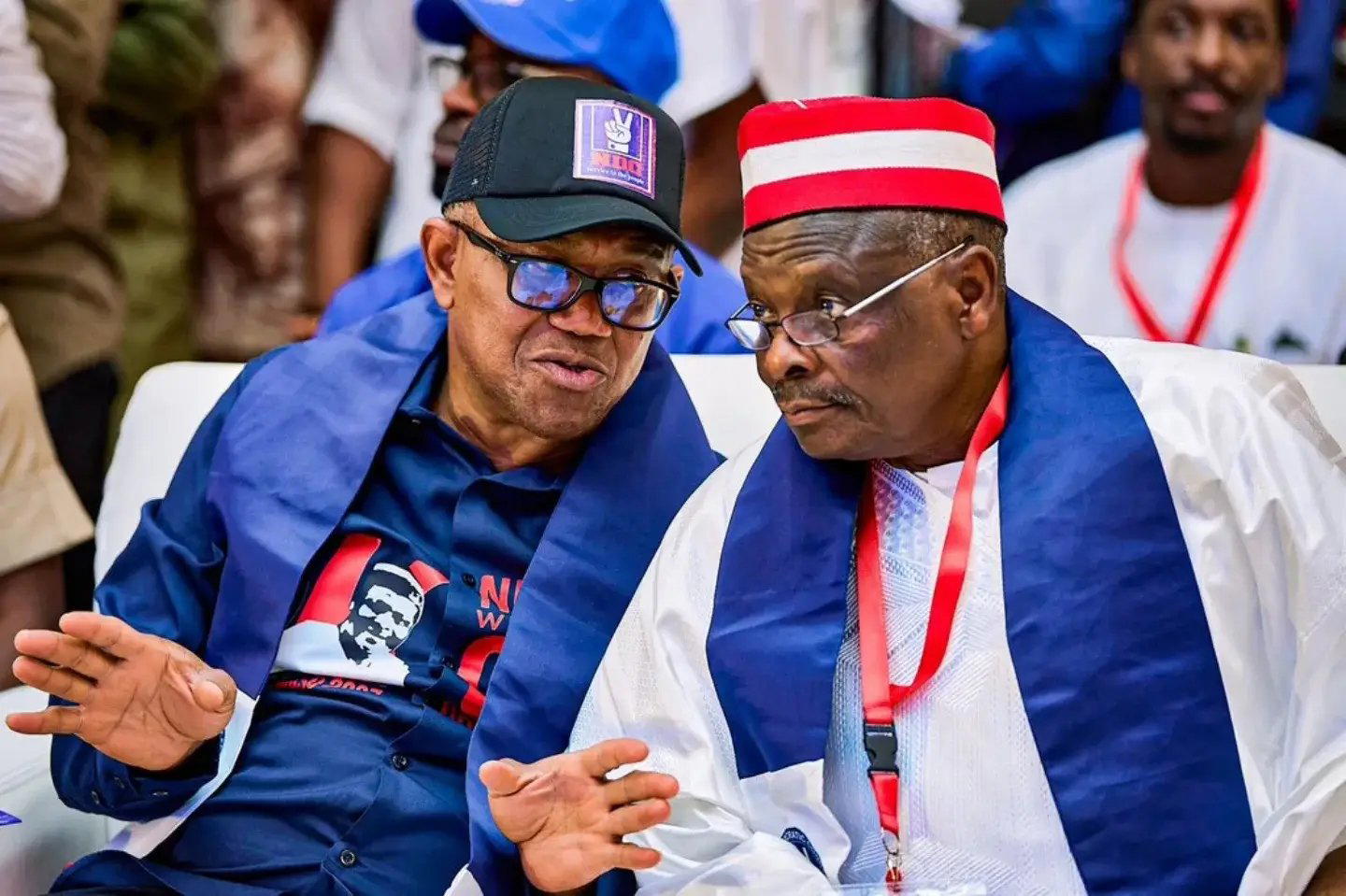
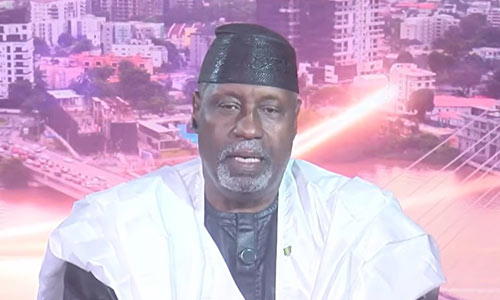
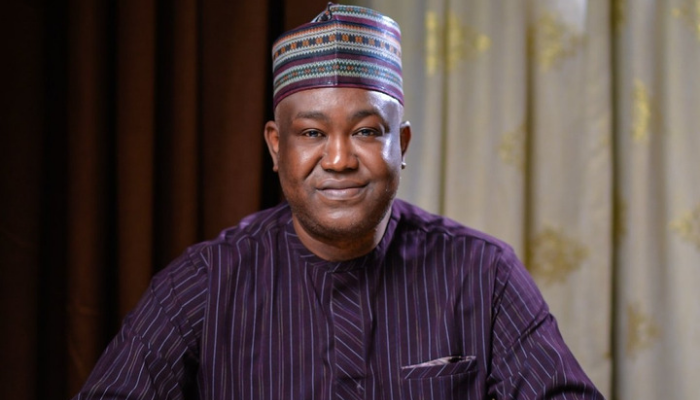
Political heavyweights are reestablishing old connections, while financiers revive dormant networks. Regional groups are reassessing their interests, and civic organizations are reigniting their online activities. The central inquiry has shifted from who is running for office to which candidates possess the infrastructure necessary for victory.
This election season appears poised for a struggle characterized by established political structures versus emotional appeal, incumbent advantages against coalition-building, and elite power against grassroots dissatisfaction.
Incumbent President Bola Ahmed Tinubu is bolstered by a formidable political coalition comprising 31 governors, federal appointees, legislators, and an extensive network of loyal party members. The ruling All Progressives Congress (APC) maintains dominance over federal power, further enhancing Tinubu’s advantages. He faces an opposition landscape fueled by public discontent surrounding economic hardships, yet fractured by competing ambitions and shifting loyalties.
“Popularity generates buzz, but operational structure translates that into votes,” an analyst noted, emphasizing that the pivotal question for the upcoming election will likely concern the extent of political machinery supporting each candidate.
Tinubu: A Coalition of Strength
President Tinubu commands a vast political apparatus that minimizes internal dissent within the APC. The allegiance of most state governors, coupled with the party’s control over federal institutions, positions him advantageously for re-election. Governors wield considerable influence at the state level, managing mobilization efforts, local party agents, and patronage systems.
The benefits of incumbency extend to superior control over national agencies and institutional resources that critics argue favor established power. Despite this, there exists no public evidence pointing to misconduct by entities like the Independent National Electoral Commission or the judiciary.
However, perceptions of institutional bias toward incumbents are pervasive in Nigerian political discourse. Southern political actors, despite economic grievances, may prefer to retain leadership in the region for continuity, which complicates the prospects for Northern challengers.
The APC’s strategy hinges on maintaining a divided opposition, allowing Tinubu to secure victory without needing overwhelming public fervor.
Atiku: Navigating Traditional Politics
Former Vice President Atiku Abubakar occupies a significant position within Nigeria’s traditional political establishment. For decades, his networks in the North and established ties to the People’s Democratic Party (PDP) provide a foundation for his candidacy.
Even beyond his PDP ties, Atiku continues to engage influential political figures capable of coalition-building, including former governors and senior political operatives. Many of his supporters view him as a seasoned negotiator capable of reconciling diverse interests.
Nonetheless, Atiku’s connections may hinder his appeal among younger voters seeking transformative leadership. Internal opposition exists regarding whether he symbolizes a path forward or merely represents a familiar past.
The dynamics of support in the North, particularly sentiment against another Northern presidency, may complicate his candidacy. Discussions among Northern elites are reportedly intensifying on the need for strategic consolidation behind a single viable alternative to Tinubu.
Obi: The Voice of Change
If Tinubu embodies the power structure, Peter Obi represents the voice of unrest. His candidacy has inspired an intense grassroots movement known as the Obidient movement, composed of young professionals and disillusioned citizens seeking political reform.
Despite his emotional appeal and grassroots support, Obi faces significant hurdles lacking a robust organizational structure capable of conducting a nationwide campaign. His backers argue that his ability to mobilize frustration among voters could translate into electoral success.
However, the challenge remains whether this emotional drive can convert into a sustainable political infrastructure capable of countering established powers on election day.
Kwankwaso: An Essential Player
Rabiu Musa Kwankwaso stands out for commanding a political movement with substantial grassroots mobilization in Northern Nigeria. His Kwankwasiyya movement, influential in Kano and the Northwest, makes him an critical asset in opposition efforts seeking broader electoral viability.
Both Obi and other opposition figures have sought alliances with Kwankwaso, recognizing that those assets are crucial for any opposition path to success. However, forming partnerships brings inherent risks, as differing regional perspectives and political identities complicate coalition dynamics.
Makinde: A Moderate Alternative
Oyo State Governor Seyi Makinde occupies a unique niche within the opposition landscape. His appeal is rooted in governance and moderate political branding rather than grassroots mobilization. Observers note an emerging curiosity among political figures in the Southwest regarding an alternative Southern candidate to Tinubu.
While Makinde’s governance record and calm demeanor resonate with certain demographic groups, he lacks the extensive networks and emotional movements driving other candidates. His challenge lies in scaling his appeal while addressing concerns of vote fragmentation within the Southern electorate.
Amaechi and Adebayo: Seeking Positioning
Former Rivers State Governor Rotimi Amaechi is recognized for his extensive experience in politics but faces a difficult political environment. With Obi and Tinubu capturing attention in the Southern political realm, he must navigate a crowded field for support.
In contrast, Adewole Adebayo of the Social Democratic Party (SDP) possesses outsider credibility but lacks the necessary institutional framework to mount a competitive campaign.
Coalition Challenges
The initial promise of the African Democratic Congress (ADC) as an anti-Tinubu coalition has waned amid internal power struggles and leadership disputes. The National Democratic Coalition (NDC) attempts to fill this gap, but its success depends on maintaining discipline among its participants—historically a challenge for opposition groups.
PDP: Observing from the Sidelines
The People’s Democratic Party, once a dominant force, is now grappling with internal divisions that have diminished its electoral clout. This fragmentation has prompted many opposition politicians to seek alternatives, amplifying competing factions that threaten the unity necessary to challenge the ruling APC.
As Nigeria approaches the 2027 election, the defining battle lies not only between Tinubu and his opposition but in the ability of a fractured opposition to unify public frustration and momentum into a cohesive force. The APC retains deep-rooted control, while the opposition grapples with harnessing widespread discontent into an effective political challenge.