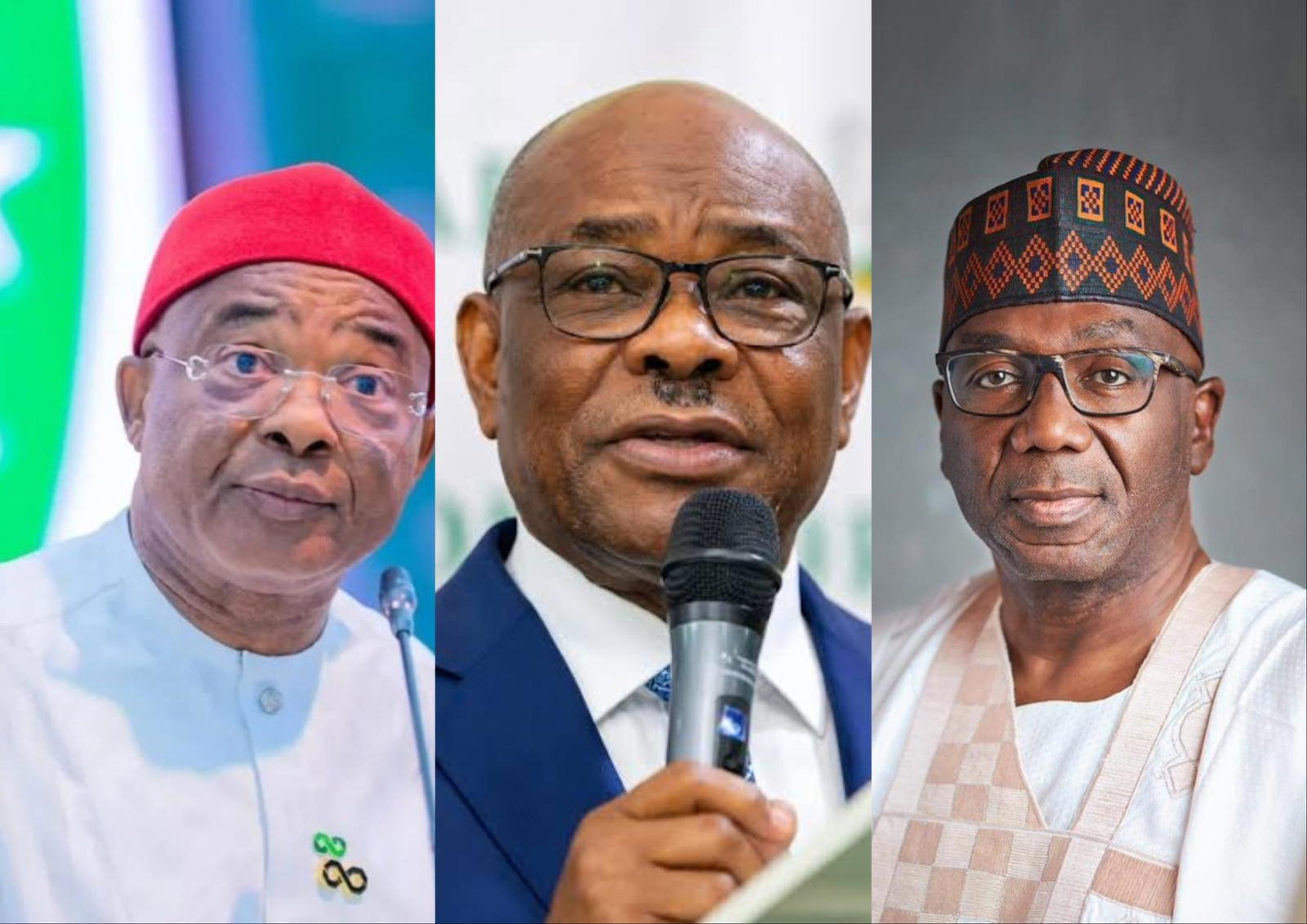
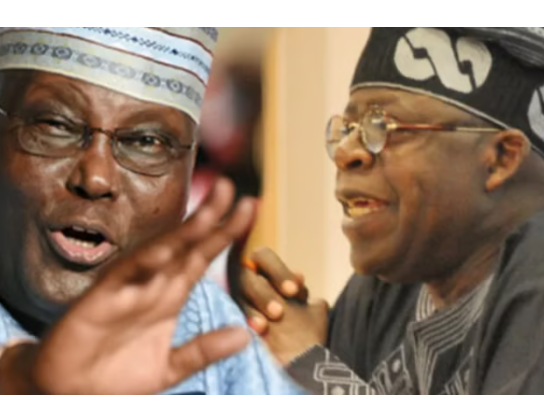
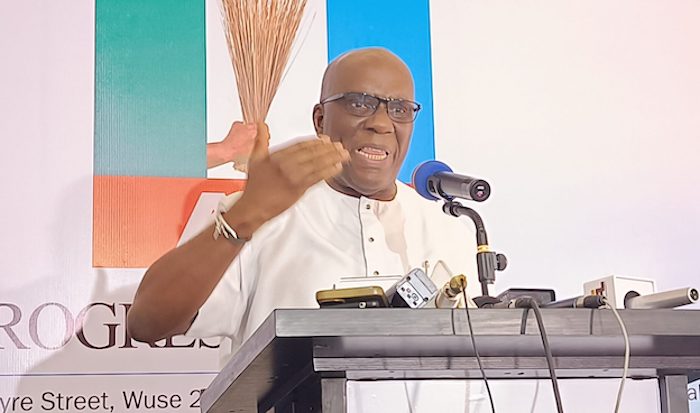
Atiku, Obi parting of ways: Why it’s difficult for opposition to unite behind a single candidate– Osuntokun
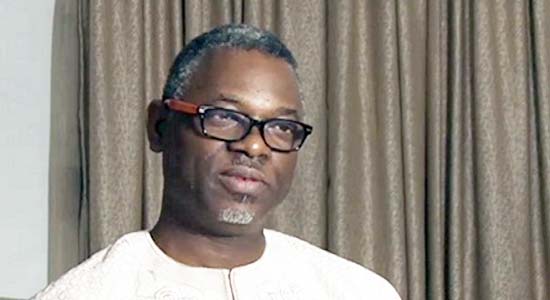
Opposition Faces Challenges in Uniting Ahead of 2027 Election, Osuntokun Says
By Dapo Akinrefon
Chief Akin Osuntokun, who served as the Director-General of the Obi-Datti Presidential Campaign Council for the 2023 elections, has expressed concerns regarding the difficulty of opposition parties in rallying behind a single candidate for the upcoming 2027 presidential election. In an interview, Osuntokun, a former political adviser to ex-President Olusegun Obasanjo, also discussed frustrations he encountered during the campaign, particularly from some Labour Party leaders.
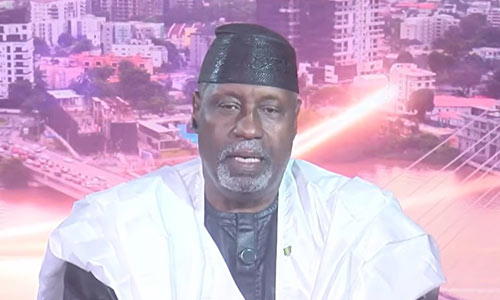
When asked about the Labour Party’s future, Osuntokun highlighted issues of internal conflict, stating, “I didn’t defect to the ADC, so I’m not a member of any other party.” He noted that discussions of a third political force must consider the existing parties and their power dynamics, emphasizing the significance of the All Progressives Congress (APC) in the current political landscape.
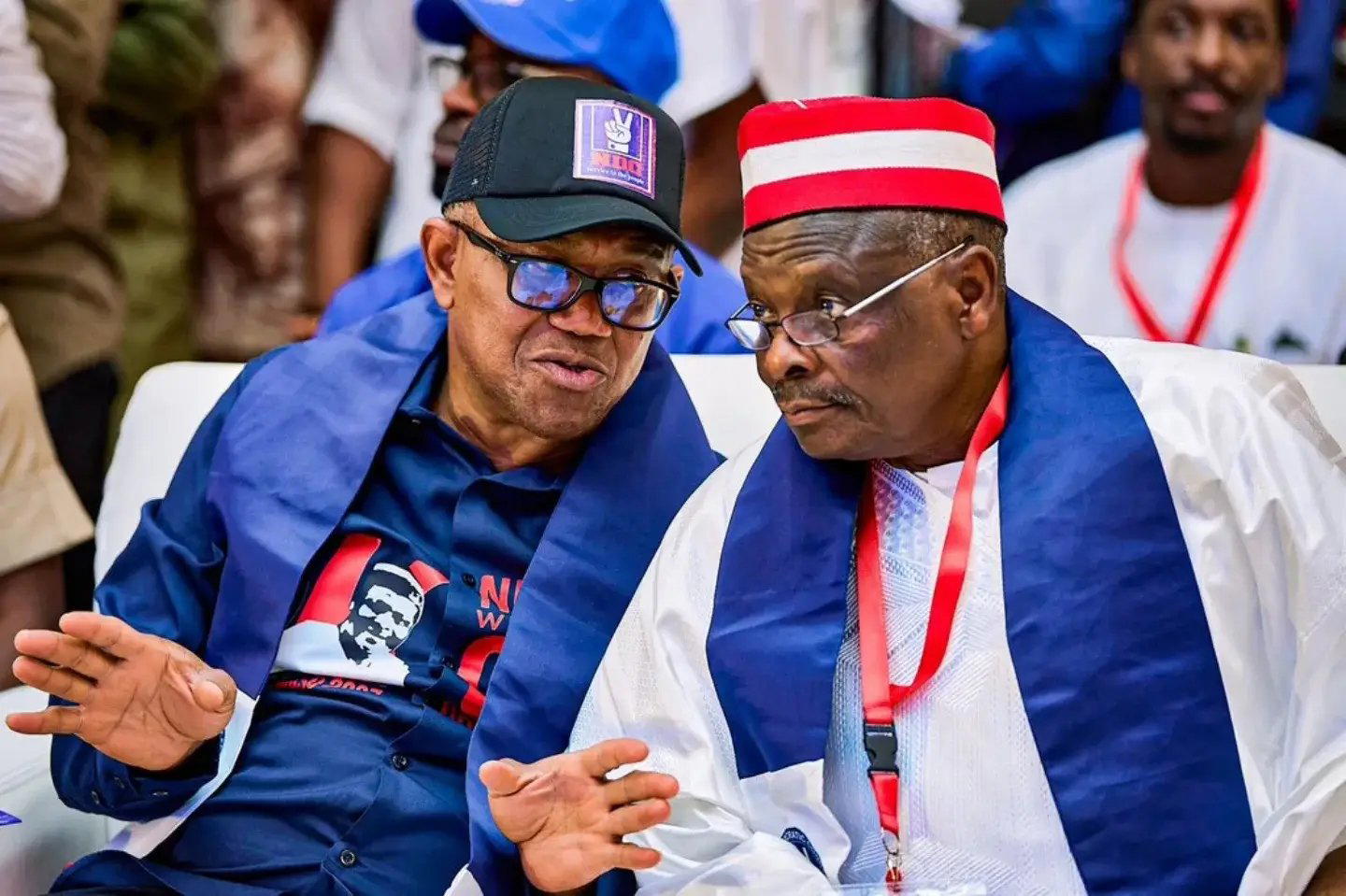
Osuntokun addressed Peter Obi’s recent shifts between parties, defending his former campaign manager’s decisions. “There are extenuating reasons for his departure from the ADC,” he explained. He pointed to the ADC’s reluctance to zone the presidential ticket to the South and ongoing legal uncertainties as factors influencing Obi’s political maneuvers.
Regarding the broad concern that separate platforms for Obi, Kwankwaso, and Atiku Abubakar could benefit the APC, Osuntokun acknowledged the potential for division but attributed the challenges of unifying behind a single candidate to differing visions among opposition leaders. “The fundamental reason behind Obi’s departure from the ADC coalition is the issue of power rotation,” he stated.
One of the primary obstacles Osuntokun faced while managing the campaign was the internal structures of the Labour Party, which he described as being centered around personal gain rather than collective goals. “Obi was a different kind of politician,” he remarked, noting tensions stemming from the party’s focus on financial gain over genuine political engagement.
In response to questions about the organizational strength of the ADC without Obi, Osuntokun indicated uncertainty, reiterating his non-affiliation with any party. He critiqued the broader electoral framework in Nigeria, calling it systemic in nature. “The electoral body, like any other dysfunctional manifestation, is a symptom of this underlying disease,” he stated.
As for reforms within Nigeria’s electoral infrastructure, he expressed skepticism about significant changes since the last election, highlighting the judiciary’s role in contributing to political instability. “We are witnesses to how a court will deliver a judgment today and violate the same judgment tomorrow,” he noted, attributing this to the country’s centralized power structure.
In conclusion, Osuntokun’s insights shed light on the complexities faced by opposition parties in navigating their political futures as Nigeria approaches another election cycle.
For further details, visit Vanguard News.