ATIKU AND OBI PARTING OF WAYS: Why it’s difficult for the opposition to unite behind a single candidate

Obi Campaign Leader Discusses Challenges for Opposition Unity Ahead of 2027 Election
By Dapo Akinrefon
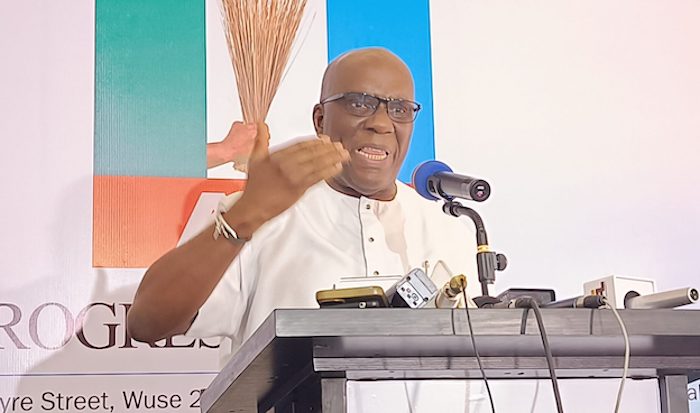
Chief Akin Osuntokun, the former Director-General of the Obi-Datti Presidential Campaign Council, has raised concerns about the difficulties the opposition may face in uniting behind a single candidate for the upcoming 2027 presidential election. Osuntokun, who previously served as a political adviser to former President Olusegun Obasanjo, pointed to internal conflicts within the Labour Party as a significant obstacle.
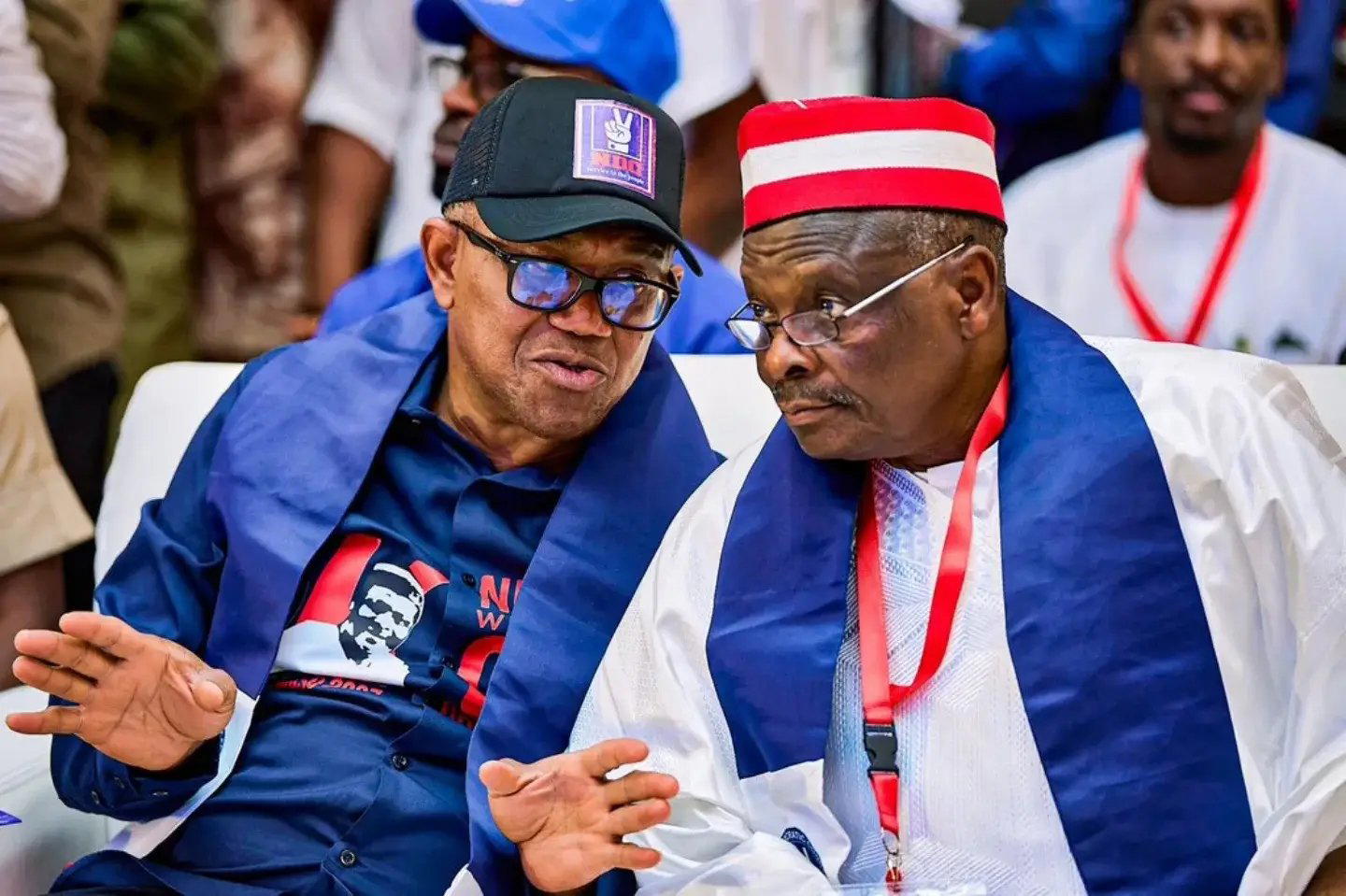
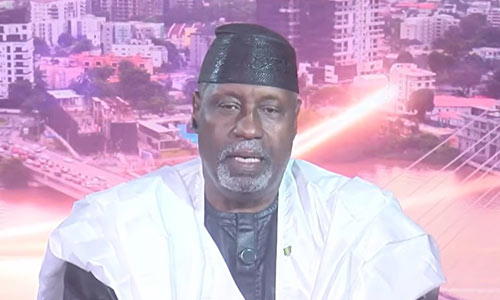
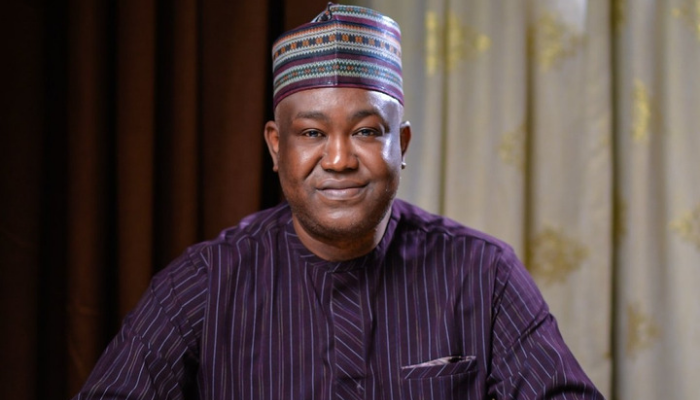
In a recent interview, Osuntokun noted the frustrations he encountered while collaborating with certain Labour Party leaders. He emphasized that the political landscape is changing rapidly, with key figures, including Mr. Peter Obi, navigating shifts between parties. Obi’s recent transition from the Labour Party to the African Democratic Congress (ADC) and subsequently to the Nigeria Democratic Congress (NDC) has sparked discussions about the implications for his political brand.
“It is essential to understand the context behind these moves,” Osuntokun said. He cited the ADC’s unwillingness to zone the presidential ticket to the South, which he argued could undermine Obi’s chances in the party primaries. Osuntokun added that the NDC’s decision to allocate its presidential ticket to the South supports Obi’s position amid concerns over the ADC’s internal stability.
When asked about the challenges that surfaced during coalition talks regarding the ADC, Osuntokun clarified: “This is the first time I’m hearing that Atiku Abubakar claimed the party was formed in his house.” He also reiterated that Obi’s departure was largely influenced by power rotation principles, indicating that aligning with Abubakar for a vice presidential role was not a feasible option for Obi.
Political analysts have expressed concerns that separate campaigns by Obi, Kwankwaso, and Abubakar could facilitate an easier victory for the ruling All Progressives Congress (APC). Osuntokun acknowledged the potential disadvantage of running separately but suggested that differing visions for Nigeria’s future hinder unity among opposition leaders.
Regarding his role during the 2023 campaign, Osuntokun highlighted the structural issues within the Labour Party that complicated his efforts. He described a challenging environment where some party members prioritized personal gain over political progress. The level of internal corruption, he argued, posed significant barriers to effective campaigning.
Osuntokun further clarified the identity of the Obidient movement, stating it is distinct from the Labour Party and remains closely associated with Obi himself. He expressed skepticism about the ADC’s capability to contest effectively without Obi, emphasizing that he is not affiliated with any party.
As electoral cycles draw nearer, Osuntokun reflected on the state of Nigeria’s electoral infrastructure, questioning whether genuine reforms have been enacted since 2023. He criticized the current judicial landscape, noting that fluctuating court decisions have contributed to political instability.
In conclusion, Osuntokun stressed the need for systemic reforms to address the foundational issues within Nigeria’s political structure. He called for a reorientation towards decentralization and adherence to federalism as essential steps for improving the country’s governance framework.