IMF, economists disagree over Nigeria’s economic prescriptions
Economists Debate IMF’s Economic Recommendations for Nigeria
By Emeka Anaeto, Business Editor
Nigeria’s prominent economists and financial experts have expressed differing opinions regarding the recent policy recommendations issued by the International Monetary Fund (IMF). The discussions come in light of the IMF’s cautions against the Nigerian government’s plan to secure a $5 billion loan from the First Abu Dhabi Bank.
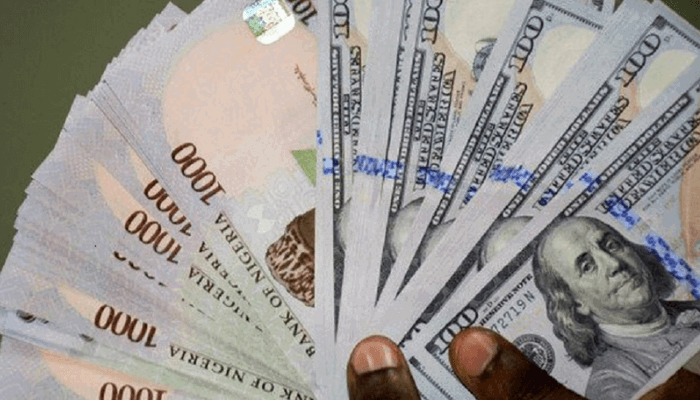
In its 2026 Article IV Mission Concluding Statement, the IMF highlighted that the proposed loan poses significant risk, with collateral demands amounting to 133.3% of the loan value. Additionally, the IMF urged Nigeria to consider several adjustments, including increasing its Value Added Tax (VAT) rate, continuing monetary tightening to combat rising inflation, and ensuring clarity in government budgetary spending.
The Nigerian government has welcomed the IMF’s report, viewing it as affirmation of its economic reform agenda. Finance Minister Taiwo Oyedele stated that the report validates efforts under President Bola Ahmed Tinubu’s administration to enhance macroeconomic stability and foster sustainable growth.
Muda Yusuf, Chief Executive Officer of the Centre for the Promotion of Private Enterprise, supported the IMF’s concerns over the proposed borrowing. He emphasized the importance of maintaining a cautious debt accumulation strategy, noting that while Nigeria’s debt-to-GDP ratio may appear manageable, the rising portion of public revenue allocated to servicing this debt is troubling.
“Substantial public revenue is now devoted to debt obligations, limiting funds available for essential services such as infrastructure, healthcare, and education,” Yusuf said. He urged the government to evaluate the proposed loan’s costs and impacts thoroughly.
Tunde Abidoye, Head of Equity Research at Quest Merchant Bank, advised caution regarding the loan’s structure, describing it as potentially volatile due to its derivative nature. He echoed the IMF’s concerns, indicating that while the loan might provide immediate liquidity, the associated risks could outweigh its benefits.
On the subject of external borrowing, Ayodele Akinwunmi, Chief Economist at United Capital Plc, argued that foreign loans could be beneficial if invested in productive infrastructure. He noted that Nigeria’s current economic conditions could support such financing, provided it is directed toward growth-enhancing projects.
In addressing the IMF’s recommendation for a VAT increase, Abidoye opposed the idea, suggesting that Nigerians have already faced significant economic burdens. Akinwunmi echoed this sentiment, advocating instead for improved tax compliance rather than higher rates.
The IMF’s stance on monetary policy was also debated. While some experts acknowledged that inflationary pressures could lead the Central Bank of Nigeria to tighten its monetary policy further, they cautioned against immediate interest rate hikes. Adonri, an analyst at High Cap Securities Limited, remarked that the central bank had previously loosened its policy prematurely and should take care to address inflation sustainably.
Both Abidoye and Akinwunmi emphasized the importance of reducing reliance on Foreign Portfolio Investment (FPI) and increasing Foreign Direct Investment (FDI) to foster long-term economic growth. They reiterated the need for effective targeting of social intervention programs to support vulnerable populations.
The IMF’s predictions indicate that Nigeria’s economic reforms are enhancing stability, with expectations that inflation will moderate in the latter half of the year, despite ongoing challenges.
Babajide Komolafe, Peter Egwuatu, and Yinka Kolawole contributed to this report.