Osun Poll: Police, military, INEC don’t belong to APC — Atiku
By Luminous Jannamike
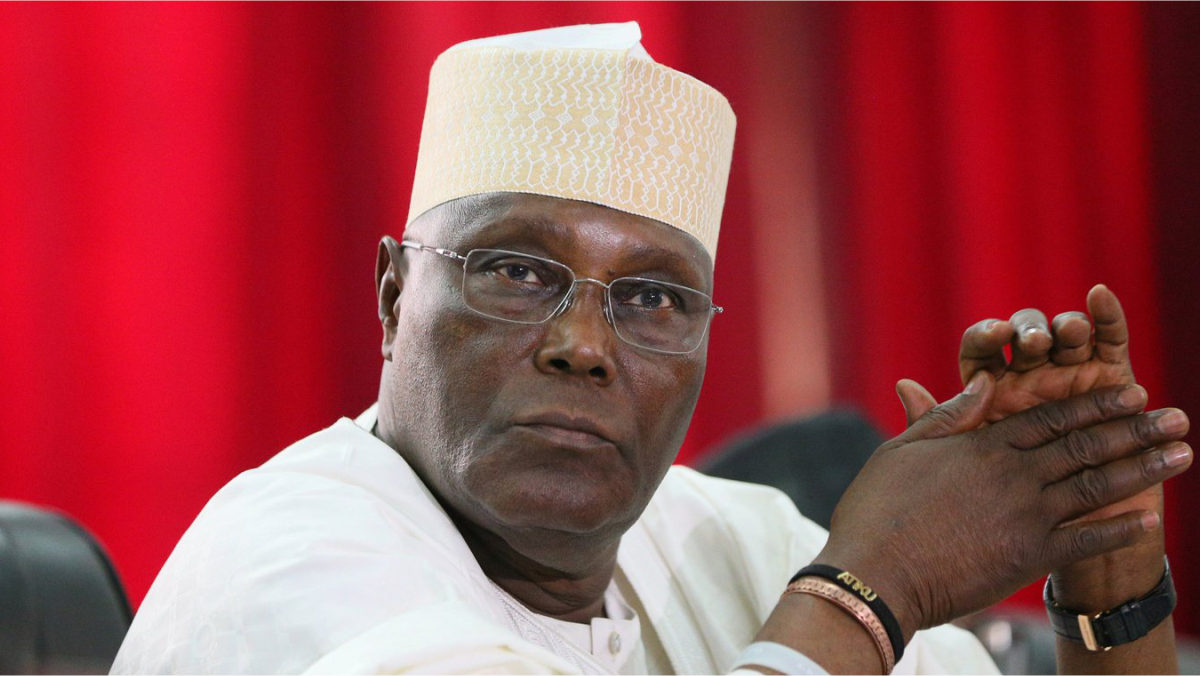
ABUJA — Atiku Abubakar, former Vice President and presidential candidate for the African Democratic Congress (ADC), cautioned the Independent National Electoral Commission (INEC), security agencies, and the Federal Government against utilizing state resources to favor the ruling All Progressives Congress (APC) in the forthcoming Osun governorship election.
Atiku characterized the election as a significant measure of Nigeria’s democratic integrity. He expressed concern that the extensive security deployment around the election could turn a civic event into a militarized operation.
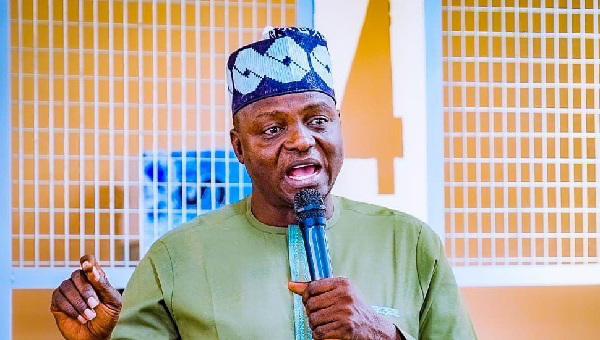
Addressing attendees at the ADC National Youth Leadership Summit in Abuja, he stated that the Osun election could indicate the country’s capacity to conduct credible elections in advance of the upcoming general elections.
“Elections are civil engagements, not military operations. Ballot papers are not bullets. Voters are not enemy combatants. Opposition members are not insurgents,” he asserted.
Atiku also questioned the necessity of such a large security presence for the election when the country continues to face threats from terrorists, kidnappers, and bandits.
He urged INEC to ensure a transparent election process, warning against frustrating voters or compromising the integrity of the election through technical malfunctions, unexplained delays, or opaque result handling.
The former vice president called for the punctual delivery of electoral materials, smooth voting, accurate counting, and clear transmission of results.
“The police belong to Nigeria. The military belongs to Nigeria. INEC belongs to the Nigerian people. None of them belongs to the APC,” he stated.
Atiku emphasized that both Nigerians and the global community will be observing the Osun election, urging all involved to permit voters to determine the outcome freely.
“The world is watching Osun. Nigerians are watching. History is taking notes. Let the people vote. Let every vote count. And let the will of the people prevail,” he added.
The ADC presidential candidate also revisited the controversy surrounding the Chicago State University certificate submitted by President Bola Tinubu to INEC. He called for clarification on what he described as discrepancies related to the certificate.
Atiku noted that the certificate presented to INEC reportedly bears June 22, 1979, while another document linked to Chicago State University shows June 27, 1979. He pointed out differences in signatures and the description of the degree, questioning the validity of the documents.
Additionally, he asked about the appearances of names or signatures from university officials on documents dated 1979, highlighting the need to investigate whether replacement certificates were issued and who authorized such actions.
Referencing Section 137(1)(j) of the Constitution, which disqualifies candidates for submitting forged certificates, he argued that the document submitted to INEC must be verified for authenticity.
“Atiku demanded, “Who produced the certificate Tinubu submitted to INEC? When was it produced? Who authorized it? Why does it differ from other versions, and does Chicago State University authenticate the exact document submitted to INEC?”
He emphasized that standards expected of ordinary Nigerians seeking employment should not be relaxed for individuals pursuing the nation’s highest political office.
“If a young Nigerian is required to explain discrepancies before obtaining a regular job, why should the same standard not apply to someone seeking Nigeria’s highest job?” he questioned.
On the topic of youth involvement in politics, Atiku confirmed that at least 30% of legislative candidates under his platform would be under 40, with many below 30. He urged young Nigerians to transform their frustrations into organized political actions rather than limiting their efforts to social media.
“Anger is not an organization. A hashtag is not an organization,” he stated, calling upon the youth to actively participate in shaping the nation’s political landscape.