Fuel subsidy: Atiku’s third U-turn exposes political posturing — PRESIDENCY
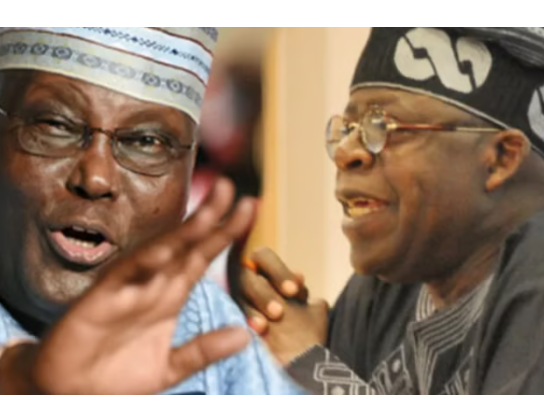
Presidency Criticizes Atiku Abubakar’s Stance on Fuel Subsidy
By Johnbosco Agbakwuru, Abuja
The Presidency has expressed strong criticism of former Vice President Atiku Abubakar, the presidential candidate for the African Democratic Congress, regarding his recent statements on fuel subsidy. Officials accused him of inconsistency and political maneuvering in his approach to the issue.
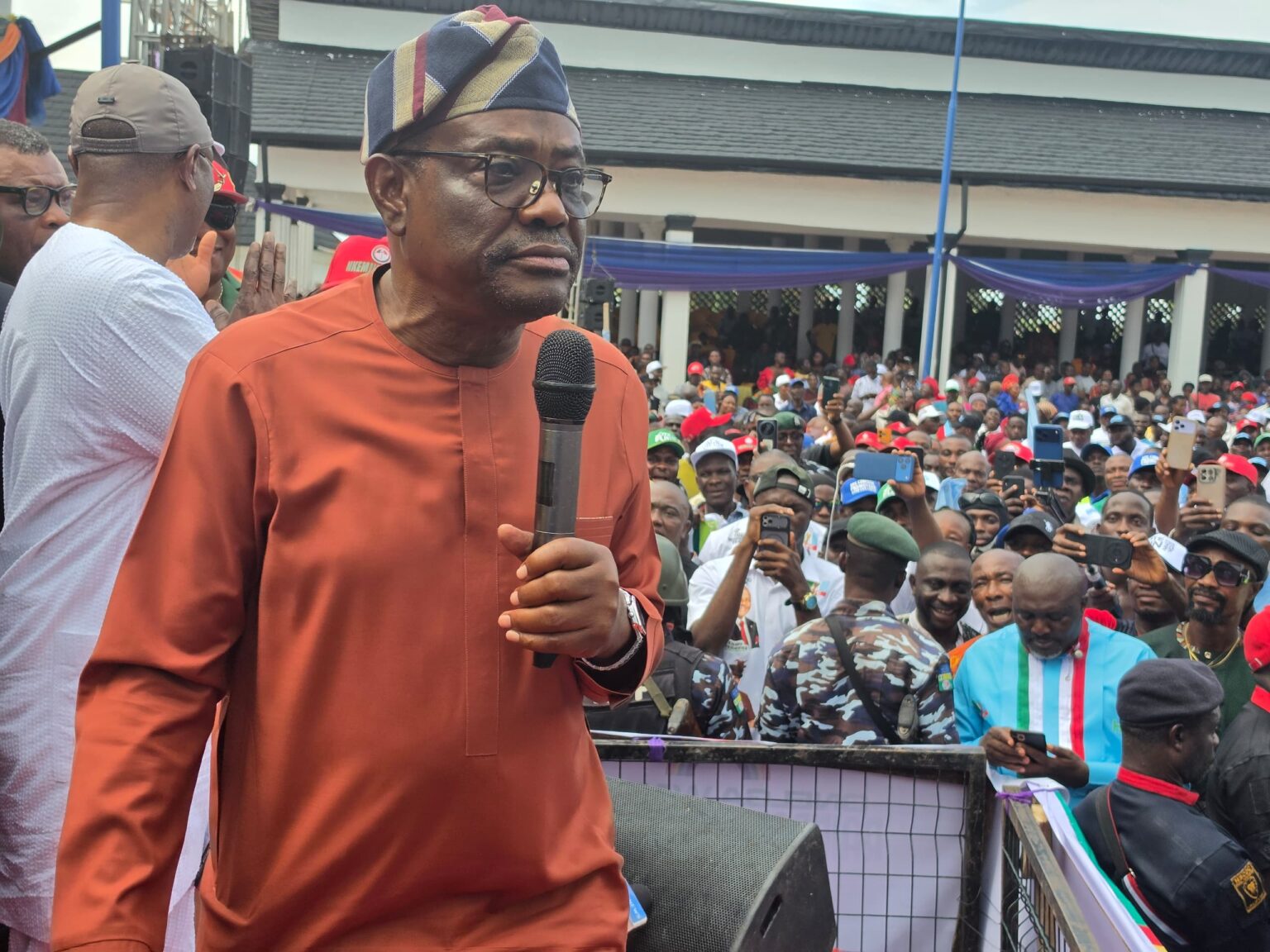

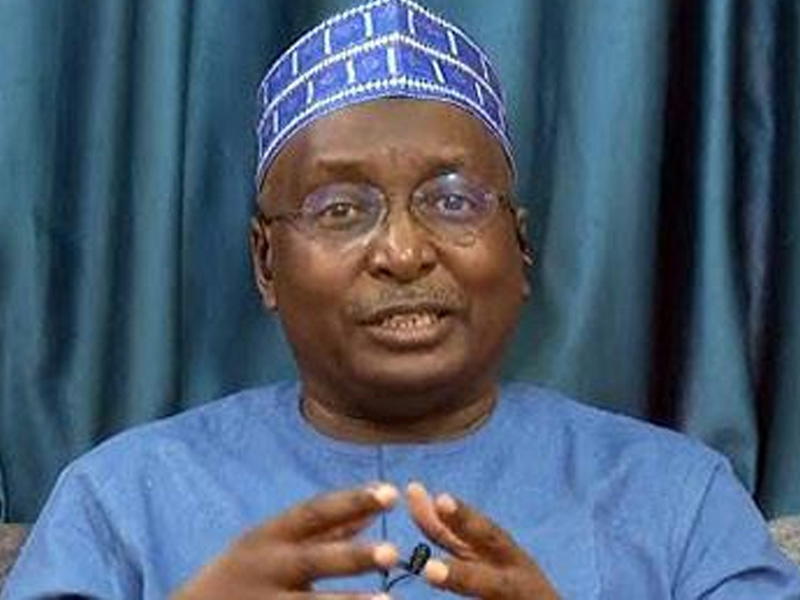
In a statement released Wednesday, Bayo Onanuga, Special Adviser to the President on Information and Strategy, questioned the coherence of Atiku’s proposals. He stated, “The latest comments by former Vice-President Atiku Abubakar on petrol subsidy raise a fundamental question: is he seriously proposing an economic policy, or is he simply playing politics with the temporary discomfort Nigerians face?”
Atiku had previously announced plans to reinstate the fuel subsidy to alleviate the economic hardships faced by Nigerians if elected. However, his spokesperson, Paul Ibe, later clarified that while Atiku would implement a subsidy initially, it would be phased out. Ibe characterized this approach as a temporary measure to allow citizens and businesses time to recover.
Confusion ensued when another senior aide, Phrank Shaibu, labeled Ibe’s remarks as “unauthorized and misleading,” asserting that the former vice president would not establish a timeline for ending the subsidy. Shaibu indicated that the subsidy would persist until domestic refining improved and the market conditions warranted its removal.
Despite these varying interpretations, Atiku reaffirmed his commitment to a “targeted subsidy,” stating that his position remained unchanged. His insistence on maintaining the subsidy contradicted earlier assertions regarding a phased approach, prompting further scrutiny from the Presidency.
Onanuga’s statement highlighted these inconsistencies, questioning why Atiku’s aides issued conflicting narratives within a short period. He called for clarity, stating, “Nigerians deserve clarity, not policy by trial and error.”
He also addressed misconceptions held by Atiku, noting that the dynamics of the petroleum market are influenced by multiple factors, including international crude oil prices and refining costs, rather than government interventions alone. According to Onanuga, attributing food inflation solely to rising fuel costs oversimplifies the issue, as various elements, such as agricultural productivity and supply chain constraints, play significant roles.
The statement urged Atiku to provide concrete details about his proposed “targeted subsidy,” including its cost, beneficiary criteria, funding sources, and conditions that would lead to its termination. The Presidency stressed the need for a transparent and well-structured policy rather than a vague proposal that could lead to further economic complications.
As the campaign season unfolds, the exchange underscores the complexities surrounding fuel pricing and subsidy policies in Nigeria, a topic that has significant implications for the nation’s economy and its citizens.