Steel imports bleed Nigeria’s economy
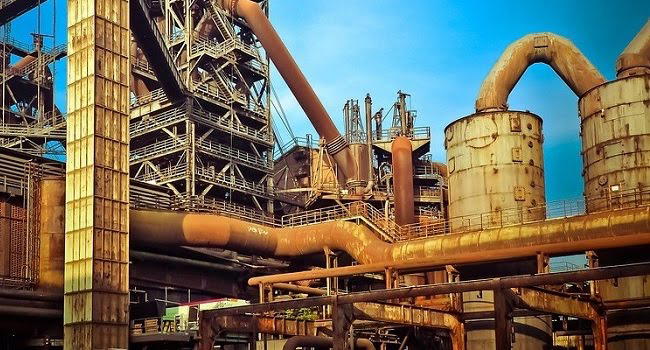
Nigeria’s Steel Import Bill Surpasses N1 Trillion Amid Unused Resources at Ajaokuta Steel Complex
By Emma Ujah, Abuja Bureau Chief
Nigeria’s expenditure on steel imports exceeded N1 trillion in 2025, as reported by the National Bureau of Statistics (NBS). This substantial amount underscores the country’s heavy reliance on imported steel, despite having significant raw materials available for domestic production at the Ajaokuta Steel Complex in Kogi State, which has remained dormant for over four decades.
The steel sector is often viewed as essential for industrialization, with countries around the globe emphasizing steel production as a cornerstone for economic development. It plays a pivotal role in various sectors, including manufacturing, construction, and infrastructure.
NBS data indicates that Nigeria has spent an average of approximately N526 billion annually on iron and steel imports over the past six years. In 2025 alone, the figure surpassed N1 trillion. This statistic reflects only officially documented trade, excluding potential unreported imports.
The Minister of Steel Development, Prince Shuaibu Abubakar Audu, provided a more sobering perspective, estimating Nigeria’s annual spending on iron and steel imports at about $4 billion (approximately N5.6 trillion).
Conceived to produce up to 5.2 million tons of liquid and finished steel products annually, the Ajaokuta Steel Complex was intended to meet both domestic and regional demand. Its operations could potentially contribute to Nigeria’s industrial evolution, creating direct and indirect employment opportunities across multiple sectors.
Oyabugbe Sunday, President of the National Association of Steel Workers, highlighted the current situation, stating that Nigeria exports raw materials while importing finished products at much higher costs. He noted that the country loses billions of dollars in foreign exchange annually due to these import expenses. Estimates suggest an annual steel import bill of around $4 billion, fluctuating based on market conditions.
Addressing the cost to revive the Ajaokuta facility, recent audits indicated that the complex is about 95% complete and would require approximately $1.5 billion to become operational.
Reviving Ajaokuta’s operations has faced challenges, marked by a series of failed attempts and controversies surrounding previous agreements with private sector players. The first significant concession occurred under former President Olusegun Obasanjo in 2003 but was terminated within a year due to non-performance. Subsequent arrangements also resulted in disputes and legal challenges.
In recent years, Nigerian officials have sought international partnerships to expedite Ajaokuta’s completion. A commitment was made during the Russia-Africa Summit in 2019 for Russian funding and technical assistance, with the Russian Export Centre pledging $460 million.
However, despite the interest and funding options, past administrations have failed to formalize agreements, hindering progress on the project. The establishment of the Ajaokuta Presidential Project Implementation Team (APPIT) in 2020 aimed to address hurdles but faced internal disputes and delays.
Former Minister of Mines and Steel Development Arch. Olamilekan Adegbite expressed optimism about reviving the facility, highlighting the strategic importance of completing Ajaokuta to boost Nigeria’s economy.
As it stands, Ajaokuta remains largely inactive, representing a longstanding unfulfilled commitment. During the 2023 presidential campaign, President Bola Tinubu pledged to revive the complex, promising to enhance local mineral resources and improve transport logistics to support the steel industry. However, three years into his administration, there has been minimal progress.
The ongoing steel importation issue persists as a significant concern for Nigeria’s economic health, prompting calls for decisive action to revitalize Ajaokuta and reduce reliance on imports.