Fuel price: Take my idea, rename it, take the credit — Atiku tells Tinubu
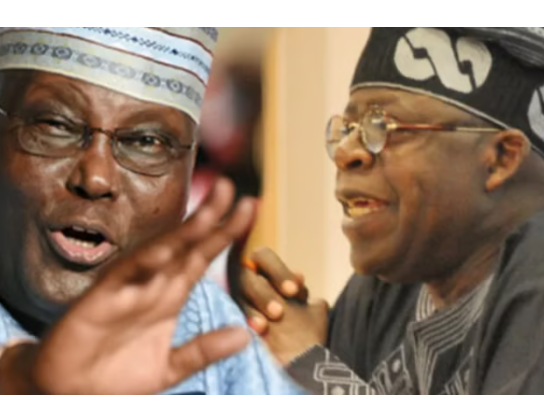
Atiku Abubakar Urges Tinubu to Act on Petrol Prices
By Luminous Jannamike
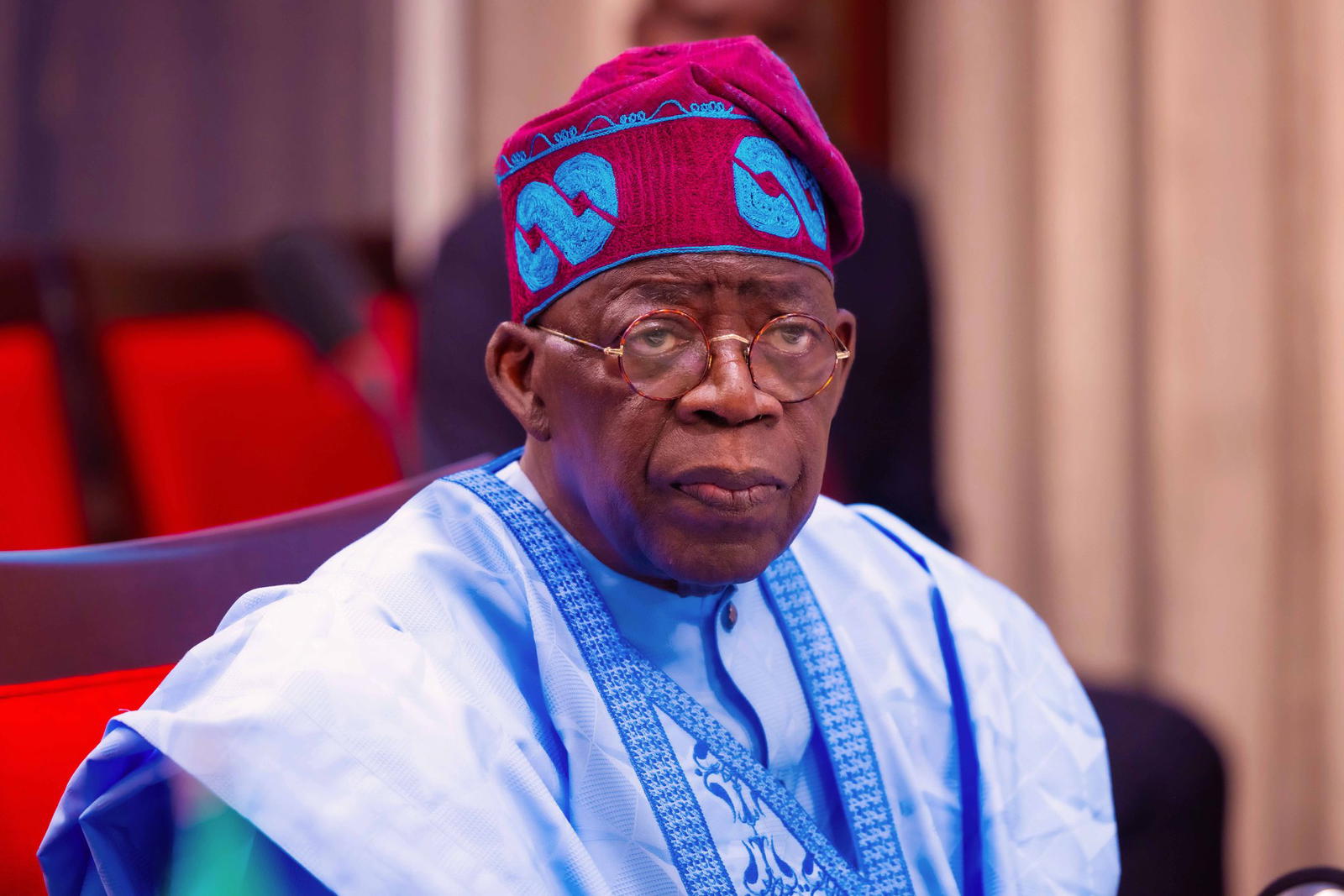
Former Vice President Atiku Abubakar has called on President Bola Tinubu to implement his proposal for government intervention to lower petrol prices. Atiku suggested that Tinubu could rename the initiative and claim credit for it, emphasizing that the goal should be to ease the burden on Nigerians.
Atiku asserted that Nigerians have suffered from the removal of petrol subsidies for over three years, with rising fuel costs influencing transport fares, market prices, and household budgets. He urged Tinubu to utilize the remaining eight months of his administration to alleviate the cost-of-living crisis instead of relying solely on temporary palliatives.
In his address on fuel prices and economic relief, Atiku pointed out that concerns from workers, petroleum marketers, manufacturers, and ordinary citizens highlight the severe impact of high energy costs. “When government makes energy expensive, it makes life expensive,” he said, stressing that this issue transcends academic discussions and affects the daily lives of many Nigerians.
Atiku recalled that Tinubu had previously dismissed his proposals, accusing him of exhibiting “serious ignorance” regarding governance and economics. He argued that the ongoing struggles faced by citizens indicate a pressing need for the government to reconsider its stance on petrol pricing.
“When workers, producers, marketers, and ordinary families are all raising the alarm, the government must listen,” Atiku said, emphasizing the necessity for leadership to acknowledge harmful policies and possess the courage to change course.
Atiku criticized the focus on GDP growth and government revenue, arguing that Nigerians are more concerned with their purchasing power than abstract economic metrics. “Government celebrates GDP growth and higher revenues. But Nigerians judge the economy by what their money can buy,” he said.
He pointed out that manufacturers are grappling with increasing production costs, while consumers are losing the ability to purchase goods. “The goods are there. The need is there. What is missing is the purchasing power,” he stated.
He reiterated his call for Tinubu to adopt his proposal, insisting that the political ownership of ideas should not deter necessary actions to alleviate hardship. “Bola Tinubu should not hesitate to do what is necessary to lower petrol prices simply because Atiku Abubakar proposed it,” he said. “He should just take the idea, rename it if he wishes, and take the credit. What matters is that Nigerians pay less.”
Atiku also expressed concern over the reliance on palliatives as a response to the cost-of-living crisis, stating that temporary relief measures cannot substitute for policies that address the root causes of economic challenges. “Do not make life unbearable and then distribute bags of rice as evidence of compassion. Palliatives manage pain; good policy addresses the source of the pain,” he said.
Regarding electricity costs, Atiku cautioned against repeating the mistakes made during the petrol subsidy removal, as electricity subsidies are set to be phased out starting in 2027. He highlighted the difficulties faced by households and businesses struggling with utility costs.
“The lesson of petrol must not be repeated with electricity. Do not remove first and think later,” he cautioned, urging Tinubu to focus on reducing the burden on Nigerians within his remaining time in office. He offered to provide his policy framework to the current administration, emphasizing the immediacy of addressing citizens’ needs.
“Nigerians do not have to wait for another administration to benefit from an idea that can help them today,” he stated, inviting Tinubu to implement his recommendations under his governance.
Looking ahead, Atiku outlined his approach to petrol pricing should he be elected president in 2027, which would include a transparent production subsidy for domestically refined petroleum products. He stated that such a scheme would ensure government intervention leads to lower consumer prices while supporting domestic refining.
Atiku argued that the efficacy of any economic policy should ultimately be measured by its impact on households, rather than by government revenue or growth statistics. “The presidency may be contested. The well-being of Nigerians should never be,” he concluded, reaffirming his commitment to policies that expand production, create jobs, and increase purchasing power for the Nigerian populace.