Experts divided over CBN’s 3% interest rate slash
Central Bank of Nigeria Lowers Interest Rate to 23% Amid Mixed Reactions
By Emma Ujah, Babajide Komolafe, Peter Egwuatu, Yinka Kolawole, and Efe Onodjae, Abuja Bureau Staff
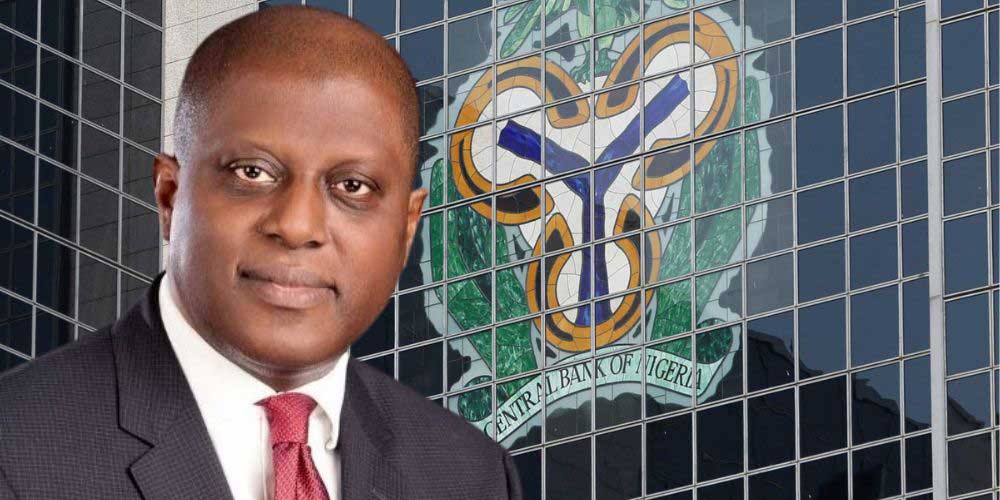
The Central Bank of Nigeria (CBN) announced a reduction in the Monetary Policy Rate (MPR) from 26.5% to 23%, a decrease of 350 basis points, during the 307th Monetary Policy Committee (MPC) meeting held in Abuja. CBN Governor Olayemi Cardoso described the decision as an operational realignment to reflect current financial market conditions and strengthen monetary policy transmission.


Reactions to the rate cut were mixed. Lucky Amiwero, President of the National Council of Managing Directors of Licensed Customs Agents (NCMDLCA), expressed concerns that the new rate remains excessively high for businesses, limiting their ability to secure credit. He emphasized that the cost of borrowing continues to pose significant challenges for entrepreneurs, particularly in sectors like manufacturing and agriculture that require substantial investment.
In contrast, Dr. Muda Yusuf, CEO of the Centre for the Promotion of Private Enterprise (CPPE), characterized the rate cut as a timely adjustment. He noted that the previous MPR created a widening gap between inflation, which has been moderating, and other market rates. Yusuf stated that the lowered rate should improve business cash flows, stimulate investment, and enhance economic capacity.
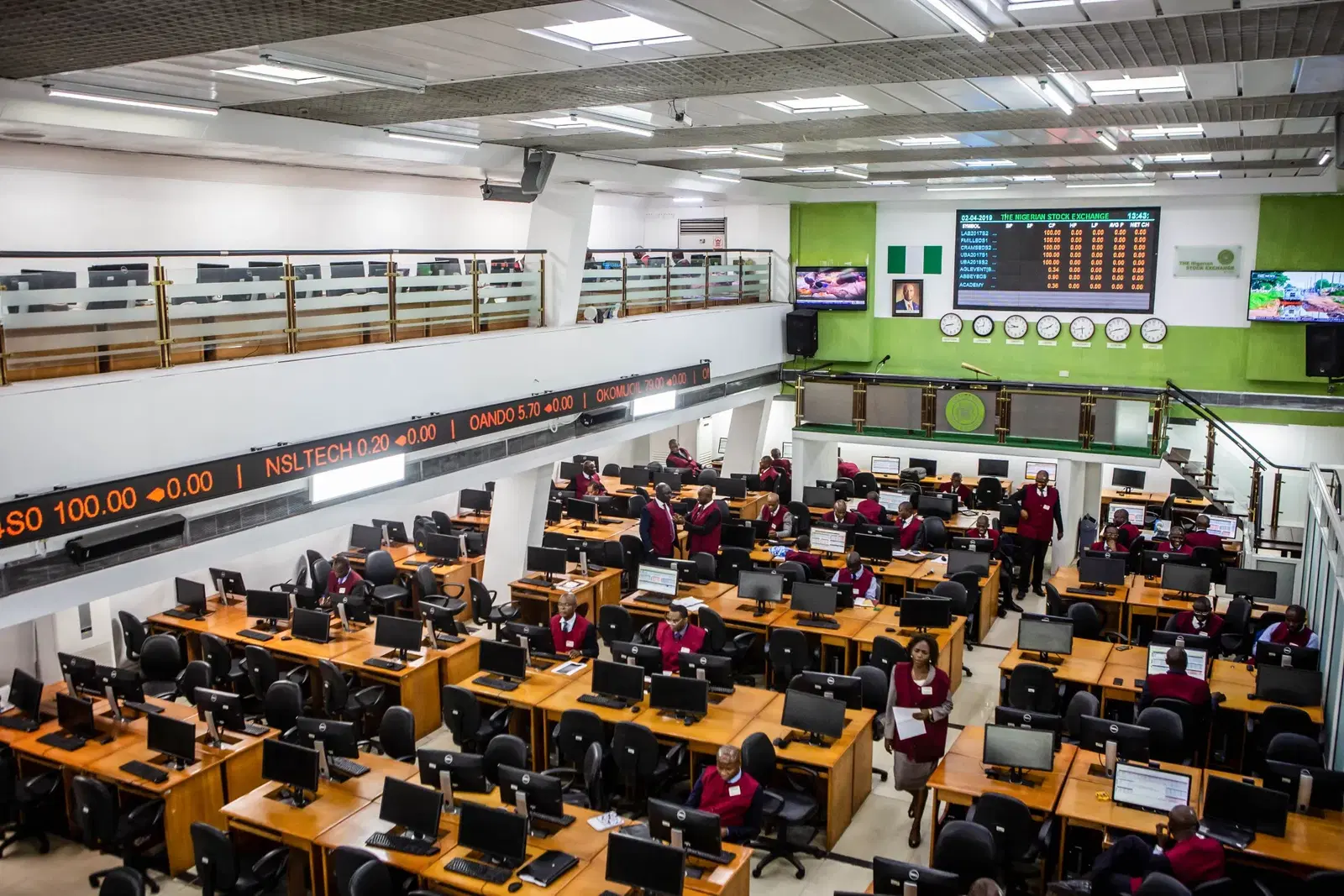
Fiona Ahimie, President of the Chartered Institute of Stockbrokers (CIS), welcomed the rate adjustment as a significant development for the capital market. She noted that it could lead to changes in asset pricing and encourage investment in riskier assets as yields on government securities decline.
Professor Uche Uwaleke, President of the Capital Market Academics of Nigeria, supported the MPC’s decision, citing factors such as declining inflation, improved foreign exchange market liquidity, and increases in external reserves as justifications for the rate cut. He stated that the committee’s decision aligns well with a recently signed memorandum of understanding between the Minister of Finance and the CBN on fiscal and monetary policy collaboration.
Governor Cardoso highlighted the stability in the current macroeconomic environment as a critical factor in the timing of the rate adjustment. He reported that Nigeria’s Gross External Reserves reached approximately $55.25 billion, the highest level in 18 years.
The MPC retained the Cash Reserves Requirement (CRR) for Deposit Money Banks at 45%, while merchant banks and non-TSA public sector deposits were set at 16% and 75%, respectively. Cardoso clarified that the new policy corridor, set at +50/-300 basis points around the MPR, does not signify a change in the overall monetary policy stance. Instead, it represents an operational reset aimed at enhancing the efficiency of monetary policy.
While several analysts acknowledged the rate cut’s potential benefits, Amiwero cautioned that high borrowing costs alongside infrastructure challenges, such as electricity and transport, continue to hinder business operations.
As various sectors assess the implications of the CBN’s decision, future economic recovery and growth will depend largely on the effectiveness of monetary policy transmission and the broader economic environment.