Nigeria needs more bankable projects to attract capital – UNGC
Nigeria Lacks Investable Opportunities, Not Capital, Says UN Global Compact
By Jeremiah Urowayino
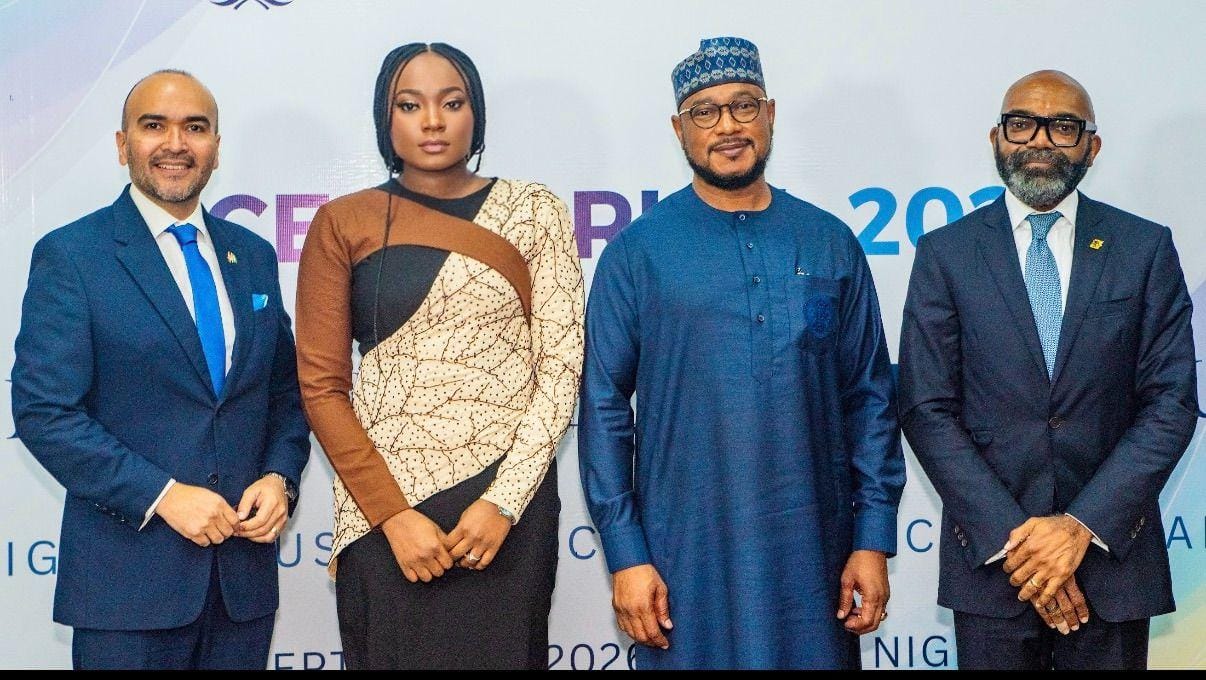
LAGOS—The UN Global Compact Network Nigeria has asserted that the country has an abundance of capital but lacks sufficient investable opportunities to attract and effectively utilize it. This observation was made during the 2026 CEO Forum, themed “Financing a Dignified Future: Aligning Capital, Policy and Business Action,” which convened executives, policymakers, financiers, development partners, and regulators in Lagos to discuss strategies for fostering a more productive economy.
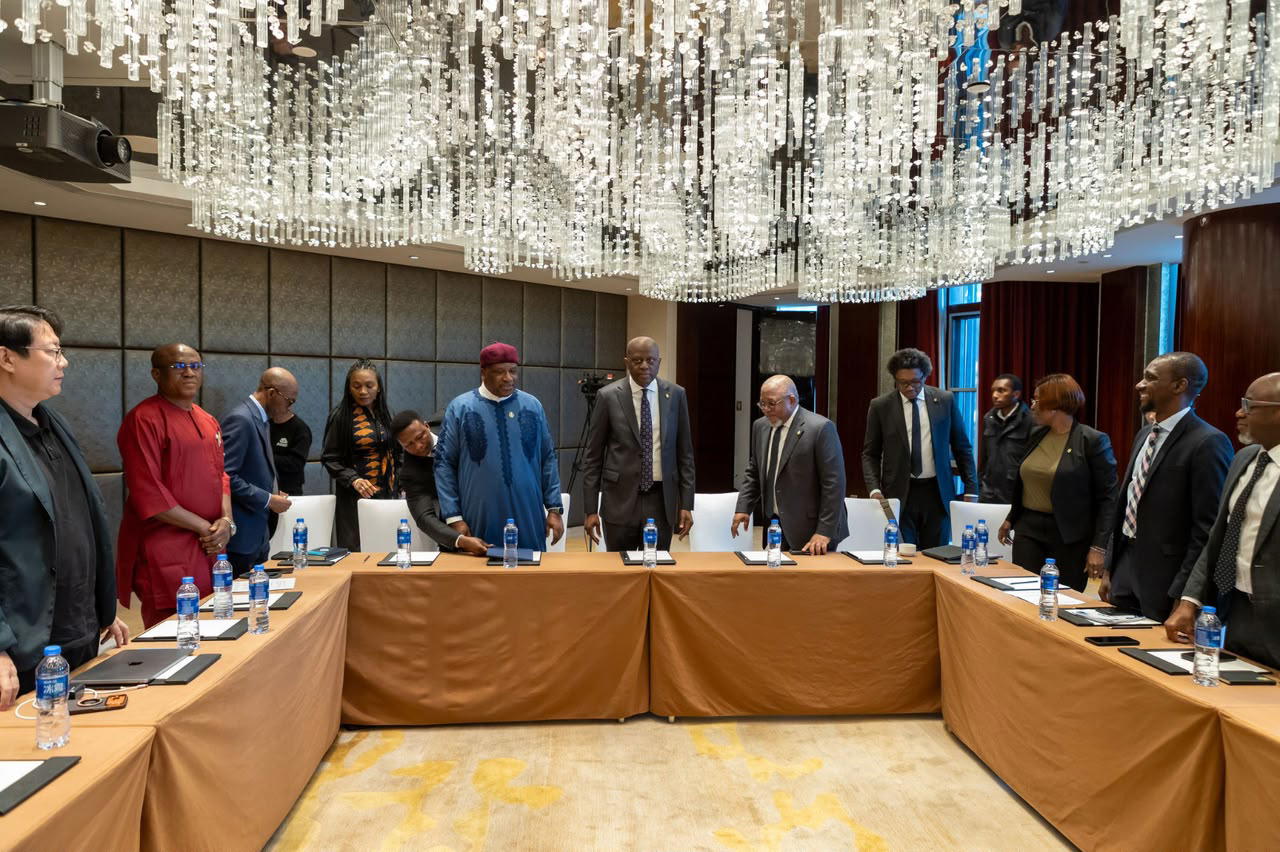
Naomi Nwokolo, CEO and Executive Director of the UN Global Compact Network Nigeria, urged attendees to prioritize immediate actions over repeatedly addressing longstanding challenges. “A dignified future is one in which businesses can grow and remain competitive, entrepreneurs can access capital to scale, workers earn a living wage, communities participate in economic opportunity, and the natural environment is not sacrificed for short-term gain,” she stated.
Maryam Yahaya, Director-General of the North-West Governors Forum, represented the forum at the event and emphasized the need for a shift in dialogue between investors and the government. She suggested that investors should communicate the specific barriers they face, such as security concerns, power supply issues, or cumbersome regulatory processes.
Governor Dauda Lawal of Zamfara State highlighted the state’s strategic efforts to attract investment through a comprehensive 10-year development plan, set to run from 2025 to 2034. He mentioned the commencement of a lithium mining and processing facility in the Zurumi Local Government Area, backed by Chinese investment. Additionally, the state is pursuing large-scale solar projects with the GCL Group.
Lawal underscored the importance of preparation in fostering investor confidence. He noted that improved security and enhanced data availability have made Zamfara an attractive destination for investors from China and the United Arab Emirates. Under his administration, the state’s internally generated revenue surged from about N90 million monthly to approximately N45 billion.
As part of efforts to bolster investment opportunities, Lawal announced the development of an international airport aimed at improving accessibility for businesses. “Don’t wait until the food is ready and then you start rushing. Come, partner, and build with us,” he encouraged.
In a broader discussion on financial inclusion, Ini Ebong, Deputy Managing Director of First Bank of Nigeria, stressed that it should not be viewed merely as a corporate social responsibility initiative. Instead, he argued that financial inclusion is vital for establishing essential infrastructure. According to the World Bank’s 2025 Global Findex Report, while 63 percent of Nigerian adults have bank accounts and 84 percent own mobile phones, only 43 percent save through formal channels, and a mere nine percent access formal loans.
First Bank’s initiatives, including a network of 322,000 agents across 99 percent of Nigeria’s local government areas, have reportedly enabled over 3.4 million previously unbanked Nigerians to access formal financial services. In 2025, the bank’s digital lending platforms disbursed more than N1 trillion, and its women-focused initiative, FirstGem, supported over 50,000 accounts with a revolving fund of N5 billion.
Ebong acknowledged a significant challenge in enhancing the financeability of potential borrowers, stating, “There’s way more capital to be deployed towards lending in Nigeria than there is capacity to absorb it.” He highlighted the lack of financial literacy among many small businesses as a barrier, particularly in areas such as bookkeeping and the distinction between personal and business finances.
Adeniyi Falade, Group Chief Operating Officer of Custodian Investment, pointed out the underutilization of pension funds in Nigeria’s infrastructure sector. Despite the pension industry accumulating approximately N32 trillion over the past two decades, less than three percent is allocated to infrastructure projects.
Falade raised questions regarding the availability of bankable projects, underscoring the necessity of creating viable opportunities to channel capital into the real economy. In the energy sector, Anthony Youdeowei, Managing Director of Sahara Power Group, noted that significant investment is required to elevate Nigeria’s power distribution systems to world-class standards. He emphasized the interconnectedness of generation capacity and the distribution network, lamenting that investments in generation alone would not resolve the country’s power challenges.
“You can’t have power if it doesn’t reach the end consumer,” Youdeowei stated, adding that policy stability and favorable tariffs are essential for attracting investments.