UK-based Nigerian Comedian, Don Witti, Calls For Regulation Of Care Sector

UK-Based Nigerian Comedian Advocates for Care Sector Regulation in Nigeria
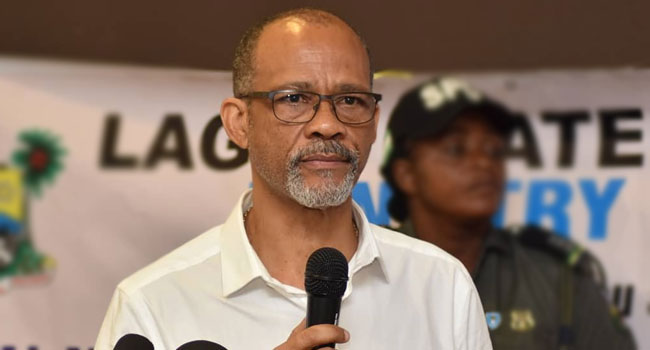
LONDON — Babajide Adenuga, a Nigerian comedian and healthcare professional based in the United Kingdom, has called for legislative reforms to regulate Nigeria’s care sector. Known as Don Witti, he emphasized the need for clear standards governing the training and certification of care workers during an interview on TVC News’ Diaspora Connect.
Adenuga discussed his experiences within the UK care system, highlighting the importance of establishing a structured framework for the care of elderly individuals and other vulnerable populations in Nigeria. He proposed that care homes and workers should operate under stringent regulations, encompassing proper documentation, training, and supervision.

“The UK has legislation that regulates care, including established procedures, documentation, training, and certification,” Adenuga stated. He argued that it is crucial for care providers to maintain comprehensive records of residents, detailing aspects such as meals, medications, illnesses, and treatments administered.
Citing the UK’s Care Quality Commission (CQC) as a model for regulatory oversight, he noted that care facilities are regularly inspected to ensure compliance with established standards. Adenuga remarked on the significant need for structured care services in Nigeria, especially for the elderly, those with dementia, vulnerable adults and children, and individuals requiring mental health support.
He pointed out that advancing the care sector could not only enhance service quality but also create job opportunities, providing families with professional assistance for relatives needing care. Adenuga also challenged the perception that care work is unworthy or relegated to those without higher education.
“Any job you can do for 40 years is not a small job,” he stated, refuting the notion that such work is of a “low class.” He highlighted that many Nigerians who relocate to the UK with university degrees often find employment in care, asserting that the role should not be devalued due to societal misconceptions.
“Care work is not a house job,” Adenuga noted, adding that care workers in the UK can build meaningful careers, attain homeownership, and enjoy various benefits typical of professional employment. He criticized the views that regard care workers as being at the bottom of the social hierarchy, deeming these opinions as uninformed and detached from the realities of the profession.
Adenuga, who holds degrees in International Law and Diplomacy at both undergraduate and master’s levels, expressed that his time in the UK has influenced his perspective on cultural attitudes toward various occupations. He remarked that Nigerians often ascribe social status to particular professions, while in other countries, trades such as plumbing, cooking, driving, barbering, and care work are viewed differently.
In addition to advocating for improvements in the care sector, Adenuga urged for better support systems for individuals facing mental health challenges, stating that these individuals deserve assistance rather than abandonment.
Combining his healthcare work with comedy and content creation, Adenuga uses his experiences in the UK to craft content that entertains while addressing social and cultural issues. He began producing content around 2012 but has become more consistent in recent years. Additionally, he is a co-founder of Afrovibe Somerset, a community platform dedicated to promoting African heritage and culture in the diaspora.
In related news, Diaspora Connect reported that President Bola Tinubu recently encouraged Nigerian medical professionals abroad to return home and contribute their expertise to the development of Nigeria’s healthcare system. The program highlighted the broader impact of Nigerians in the diaspora on national development.