Billboard war, internal crises mar campaigns in North
By Soni Daniel, Northern Region Editor
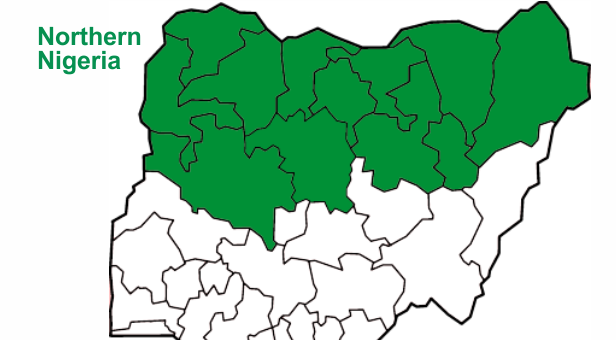
As the January 2027 general elections draw closer, political campaigns in Northern Nigeria appear slow to gain momentum. With over 100 days to the elections, challenges such as billboard disputes, high advertising fees, internal party conflicts, and governmental restrictions are shaping the early stages of the campaign period.
The Independent National Electoral Commission (INEC) has approved the start of campaigns, but reports from Saturday Vanguard indicate significant variation in political activity across the region. States like Kaduna, Nasarawa, Sokoto, Taraba, Katsina, and parts of Adamawa and Bauchi are experiencing increased mobilization efforts. In contrast, political activities remain relatively muted in states such as Kebbi, Benue, Kano, and Borno, where parties are either still grappling with internal issues or have not yet officially launched their campaigns.

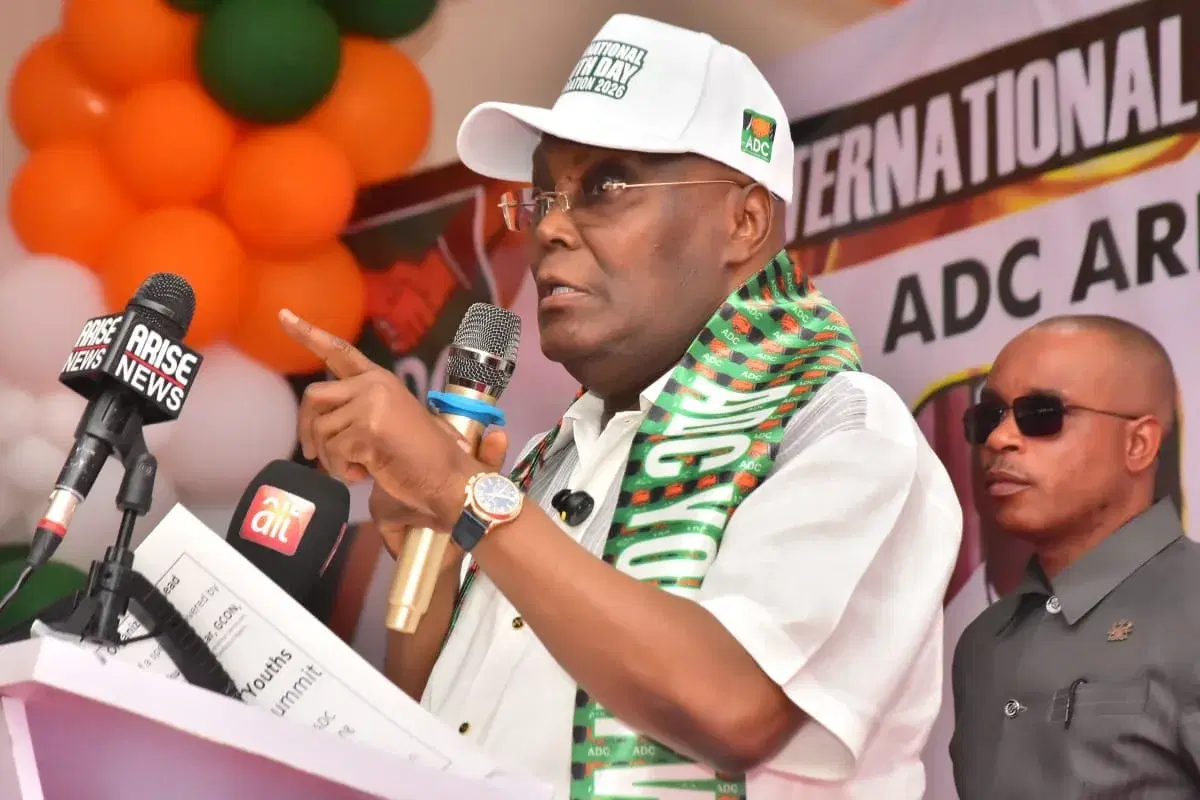
In some areas, campaigning has shifted towards the use of billboards and posters, leading to allegations of discrimination against opposition parties. In Niger State, opposition groups have accused the ruling All Progressives Congress (APC) of utilizing its incumbency to hinder their campaign activities. The African Democratic Congress (ADC) has raised concerns following the nomination of its governorship candidate, Dr. Mohammed Kpautagi, alleging that the APC is obstructing their ability to place campaign materials in key locations.
Alhaji Hassan Musa, the ADC chairman in Niger, described these actions as threats to multiparty democracy. He accused the APC of attempting to silence opposition parties and warned that such actions undermine the democratic process in Nigeria. Musa claimed that despite securing the necessary approvals for billboard placement in Paiko, the ADC was prevented from proceeding.
Mohammed Mamman Nami, the governorship candidate for the People’s Democratic Party (PDP) and a former chairman of the Federal Inland Revenue Service, has also reported the removal of his campaign materials. He accused Governor Mohammed Umaru Bago of ordering the removal of his posters and banners after he criticized the administration’s policies. Nami emphasized his commitment to bringing improvements to the state, pointing to the mismanagement that has hindered citizens from benefiting from its resources.
The Nigeria Democratic Congress (NDC) candidate for governor, Yahaya Mohammed Adam, has also alleged intimidation and destruction of his campaign materials, with reports of vandalism affecting his billboards in Bida Local Government Area.
Conversely, the APC in Niger State has reported incidents of its own campaign materials being destroyed, attributing the vandalism to disgruntled members and supporters.
In Plateau State, the Jos Metropolitan Development Board has issued a warning to political parties and candidates against placing campaign materials on public infrastructure, citing Executive Order No. 003 of 2024. The order prohibits the posting of posters on public buildings, bridges, and other structures and mandates prior approval for political advertisements. Violators risk penalties of up to ₦500,000.
Despite the restrictions, PDP governorship candidate Kefas Wungak Ropshik is engaging with party supporters across various local government areas.
In Kwara State, controversy has erupted over the removal of campaign billboards belonging to PDP candidate Engr. Suleiman Bolakale Kawu. The Kwara State Signage and Advertisement Agency has stated the removals were due to violations of advertising regulations. The agency’s general manager, Toba Adeyeye, asserted that their approach is impartial and aimed solely at compliance with regulations.
In Zamfara State, the APC has launched its campaign, while PDP candidates and others are also starting to mobilize. However, banners and posters are notably absent from the streets of Gusau. In Kebbi, campaign activities remain minimal, with parties preparing to launch their efforts but few visual materials visible in public spaces.
In Adamawa, candidates are ramping up mobilization efforts, ensuring that their campaigns remain peaceful in light of past election-related violence. A peace accord has been signed among parties to commit to non-violence.
Nasarawa State is experiencing a robust campaign environment, with candidates from multiple parties actively engaging supporters and launching programs. Notably, candidates from APC, PDP, and the Social Democratic Party (SDP) have begun campaigning with positive feedback from supporters.
Conversely, states like Benue continue to see limited political activities, with most parties yet to kick off their campaigns significantly.
In Yobe State, political visibility is rising with the appearance of campaign materials in Damaturu. Kogi State is witnessing a gradual increase in campaign activities featuring town hall meetings and visual materials, albeit hindered by high advertising costs.
In Sokoto, a visible political contest is emerging, with multiple parties displaying an active presence. In contrast, states such as Kano and Borno are grappling with internal disputes that have hampered campaign progress.
In summary, the campaign for the 2027 elections in Northern Nigeria is proceeding unevenly. Various states are experiencing different levels of political engagement, from active mobilization to internal challenges impeding progress. As the election date approaches, the dynamics of the race are expected to evolve further, intensifying competition while raising critical questions about equitable access, campaign regulations, and opposition party viability.
This report contributed by Demola Akinyemi, Peter Duru, Femi Bolaji, Boluwaji Obahope, Ndahi Marama, Golok Nanmwa, Maryam Abdulaziz Usman, Christopher Ameh, Fauziyya Lawal, Idris Salisu, Edwin Phillip, Usman Aliyu, Musa Ubandawaki, Hadiza Usman, Ben Ngwakwe, Clare Nnabuike, and Mohammed Yusuf.