ACF ‘congratulates’ Bwala for admitting Tinubu’s reforms deepen poverty
ACF Responds to Presidential Aide’s Acknowledgment of Economic Hardships
The Arewa Consultative Forum (ACF) has issued a pointed statement congratulating Daniel Bwala, Special Adviser to President Bola Tinubu on Policy Communication, for recognizing the adverse effects of the administration’s economic reforms on poverty levels in Nigeria.
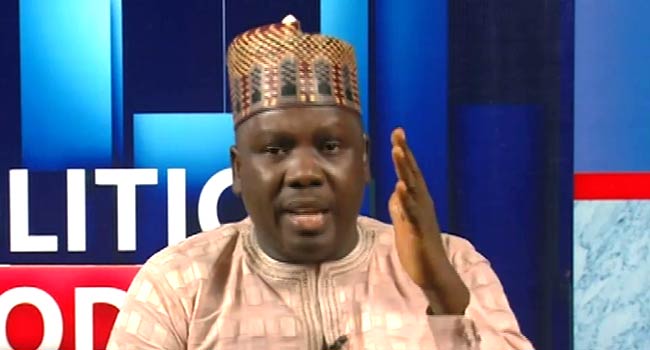
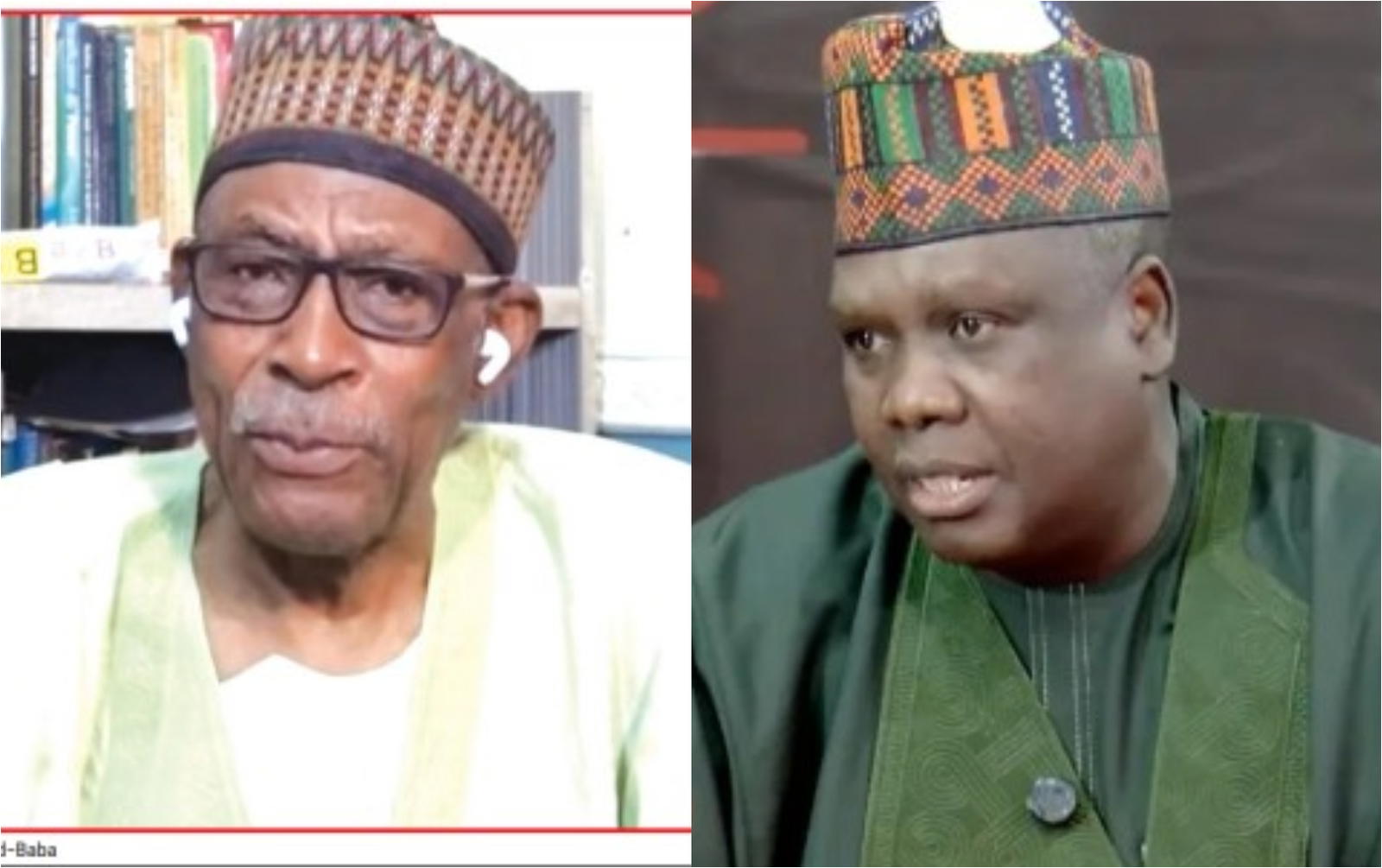
In an interview with Arise Television’s News Day on Thursday, Professor Tukur Mohammed-Baba, ACF Publicity Secretary, responded to Bwala’s comments made the previous day on Channels Television. During that interview, Bwala admitted that the government’s economic policies have contributed to rising poverty but defended the administration by asserting that significant progress has been made since these reforms were enacted.


“Let’s first of all be very happy and congratulate Bwala. Until now, one would expect that whenever he comes on TV or appears on social media, it is to deny, deny, deny,” said Mohammed-Baba. He expressed that Bwala’s admission marks a notable shift, acknowledging that the reforms have caused “untold hardships” without denying that poverty is escalating.
Mohammed-Baba pointed out the prevalence of multidimensional poverty in the country, criticizing the administration’s attempts to frame the current economic challenges as temporary outcomes of its policies. “As we speak today, the rate of multidimensional poverty is well over 60 percent in Nigeria,” he stated.
The ACF spokesman dismissed assurances that the long-term benefits of the reforms would outweigh their immediate impacts, labeling them as “hallucinations.” He drew parallels to the structural adjustment program from the Ibrahim Babangida administration, emphasizing the ongoing struggles faced by Nigerians.
“Look at the purchasing power of the naira. Look at the living conditions of Nigerians. Look at rent, housing materials, transportation, and electricity costs,” he noted. He also highlighted the deteriorating state of infrastructure and escalating insecurity in the country, which has exacerbated living conditions.
Having visited regions in the Northeast, North-Central, and Northwest, Mohammed-Baba remarked that insecurity has made essential activities like farming increasingly difficult.
He further criticized the Tinubu administration for shifting the blame for current challenges onto previous governments, asserting that political leaders should have assessed the inherited conditions before taking office. “That is precisely why we have a democracy. You identify problems, believe you have the answers, canvass for votes, and then remind us other leaders have faced these problems,” he explained.
Mohammed-Baba insisted that the administration must take responsibility for its performance rather than deflecting accountability onto others. “There is no doubt that if the government were to look at itself in the mirror and honestly assess its performance, the answer would be negative,” he concluded.