Can 142m Nigerian youths change 2027 elections narrative?
By Gabriel Ewepu
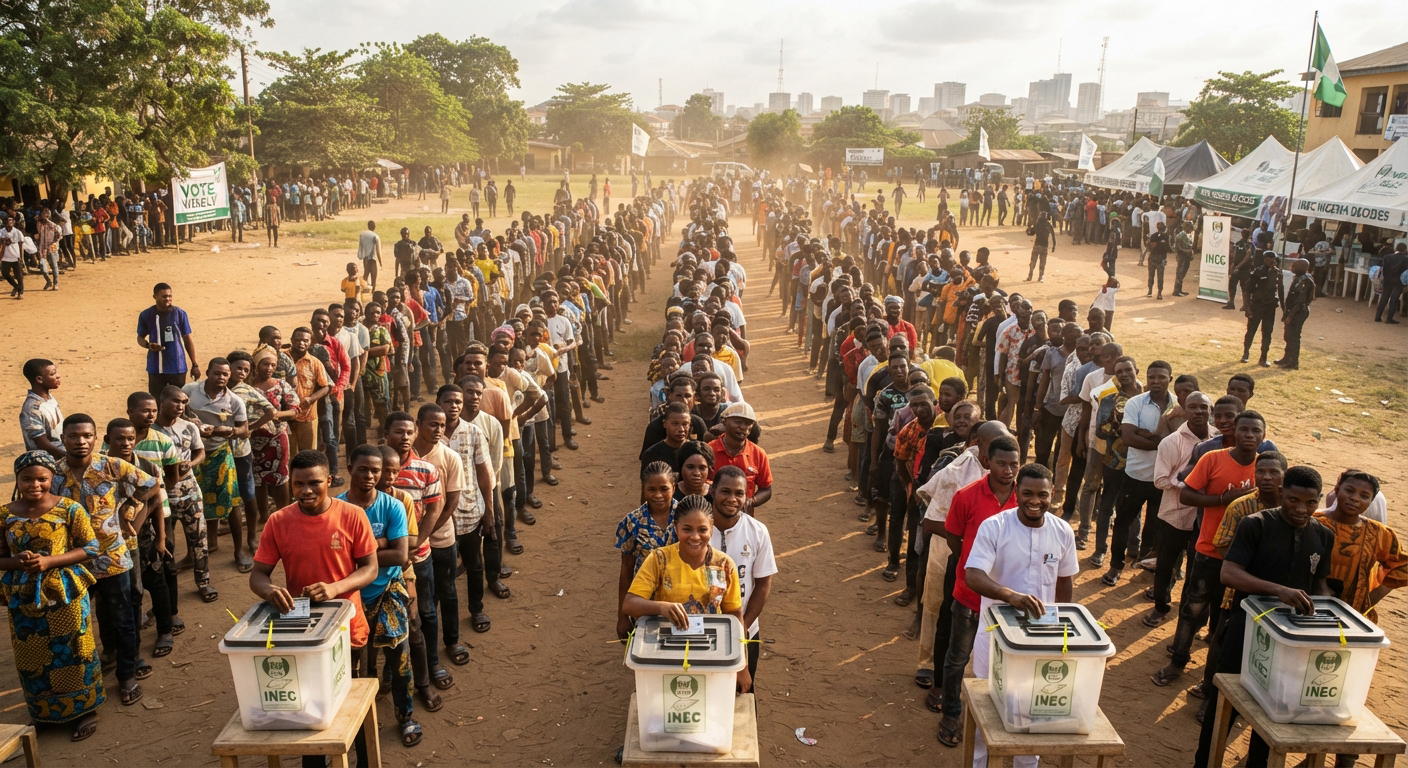
Nigerian youths, representing a substantial demographic with over 142 million individuals, are poised to play a pivotal role in the country’s forthcoming 2027 general elections. Recently, the Independent National Electoral Commission (INEC) revealed that more than 9.32 million young Nigerians registered during the 2026 Continuous Voter Registration (CVR) exercise. This surge in registrations has generated significant expectations regarding the ability of young voters to influence electoral outcomes.
Despite their numerical strength and increasing political engagement, doubts persist about whether these young voters can transform their numbers into meaningful electoral power. Some stakeholders assert that Nigerian youths are becoming more politically conscious and are eager to challenge the status quo and demand accountability. In contrast, others express concern that issues such as voter apathy, diminishing trust in the electoral process, political manipulation, and inadequate grassroots structures may hinder their participation.

Consequently, the conversation has shifted from whether young Nigerians are willing to vote to whether they are adequately organized, motivated, and confident in the electoral system to effect change and hold political leaders accountable.
Stakeholders have offered varying perspectives on the readiness of Nigerian youths ahead of the 2027 elections, highlighting the opportunities, frustrations, and challenges faced by this demographic.
Youths Losing Hope in Elections
Jerry Tobi Olanrewaju, founder and team leader of Jet Farms and Agro Solutions Limited, based in Abuja, expressed concern that many young Nigerians are losing hope in their ability to participate meaningfully in elections.
“Honestly, I was hopeful. But over time, many young Nigerians, particularly young farmers, have begun to lose hope,” Olanrewaju stated. He noted that although some macroeconomic indicators suggest progress, the realities faced by farmers tell a different story. Rising input costs, high transportation expenses, limited access to financing, and unstable markets have made agriculture increasingly difficult.
Olanrewaju called on young people to transition from social media discussions to active engagement in the electoral process, urging that their participation must focus on issues, accountability, and leadership that reflect their realities.
Youths Ready for Change
Abareowei Benaembele Donald, a youth leader from Bayelsa State and CEO of Gologolo Global Views Enterprise, contended that Nigerian youths are now more politically aware and ready to alter the narrative in the upcoming elections.
“Young Nigerians are not lacking in political awareness, ambition, or courage. What they lack is confidence in a system that has frequently requested their votes but has too often disappointed their trust,” Donald emphasized. He underlined the importance of translating political promises into tangible outcomes, such as job creation and quality education.
He further criticized past electoral practices where youth have been co-opted as mere campaign tools rather than being integrated into decision-making processes. “In 2027, Nigerian youths must not just participate; they must also influence the election’s direction,” Donald asserted.
Concerns About Electoral Trust
Toluwa Odekhe, a legal and public affairs analyst based in Abuja, noted that while Nigerian youths are prepared to make their voices heard in the 2027 elections, it remains unclear whether they will be able to do so decisively. He emphasized that registration numbers do not guarantee voting turnout, trust in the electoral process remains a significant barrier, and past experiences have compounded doubts about the integrity of the system.
Odekhe highlighted the importance of building trust to ensure that young voters will turn out and make their voices heard. He noted, “The numbers are real, but registration is not voting.”
Challenges of Organization
Patrick Onoja, a public analyst, echoed sentiments regarding the need for greater organization among youths. “Numerically yes, structurally no — not yet,” he remarked, elaborating that while youths hold a large proportion of registered voters, these numbers do not translate into collective action at the polls.
He emphasized that youths should not only express their dissatisfaction but also actively participate in the political process at all levels, including local party structures. “The political class understands this division and is already exploiting it,” Onoja warned, calling for young voters to unite around common goals such as electoral reform and job creation.
Conclusion
The upcoming 2027 general elections present both opportunities and challenges for Nigerian youths. As they navigate the electoral landscape, the critical questions will revolve around their organizational capacity, trust in the electoral system, and ability to translate enthusiasm into action at the polls.
As stakeholders assess these dynamics, the potential for meaningful youth participation in shaping Nigeria’s political future remains contingent on their readiness to mobilize effectively and demand accountability from their leaders.